
Last updated October 17, 2026
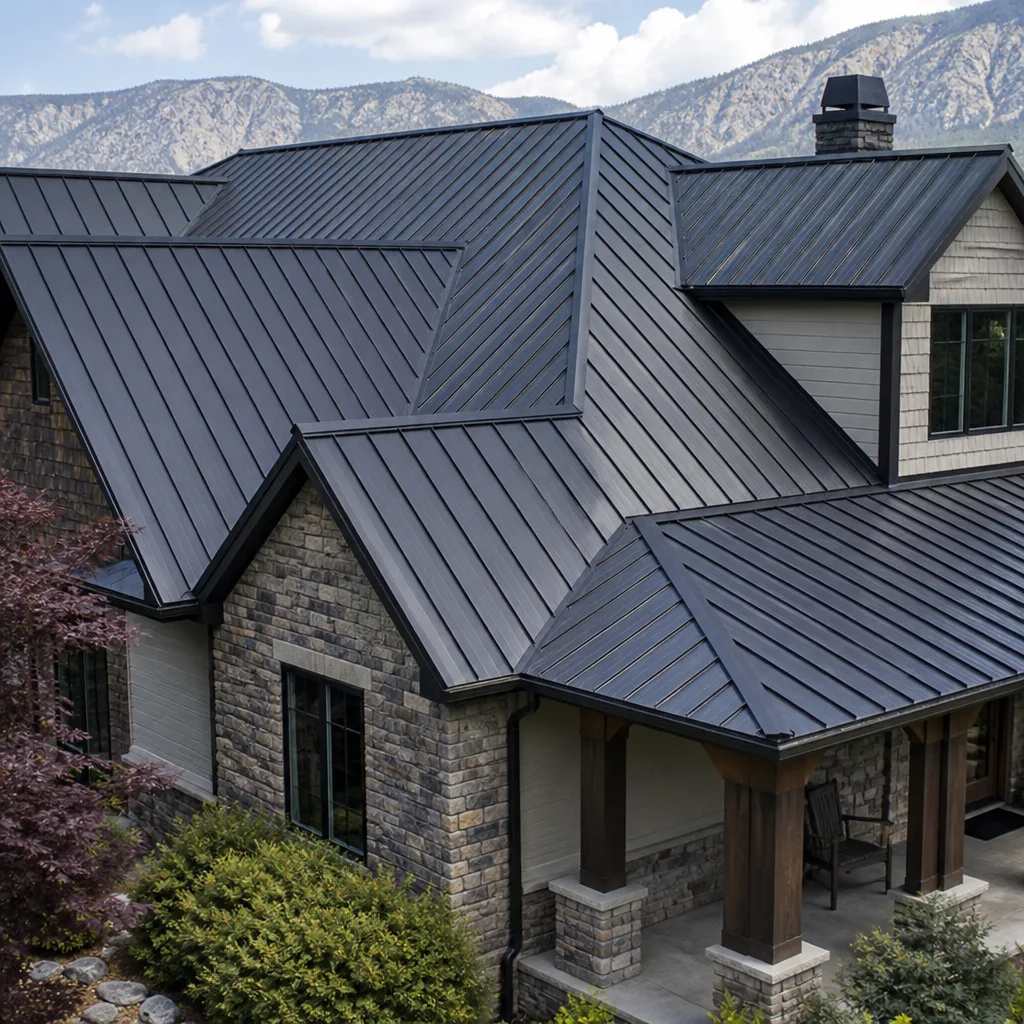 Metal roofing
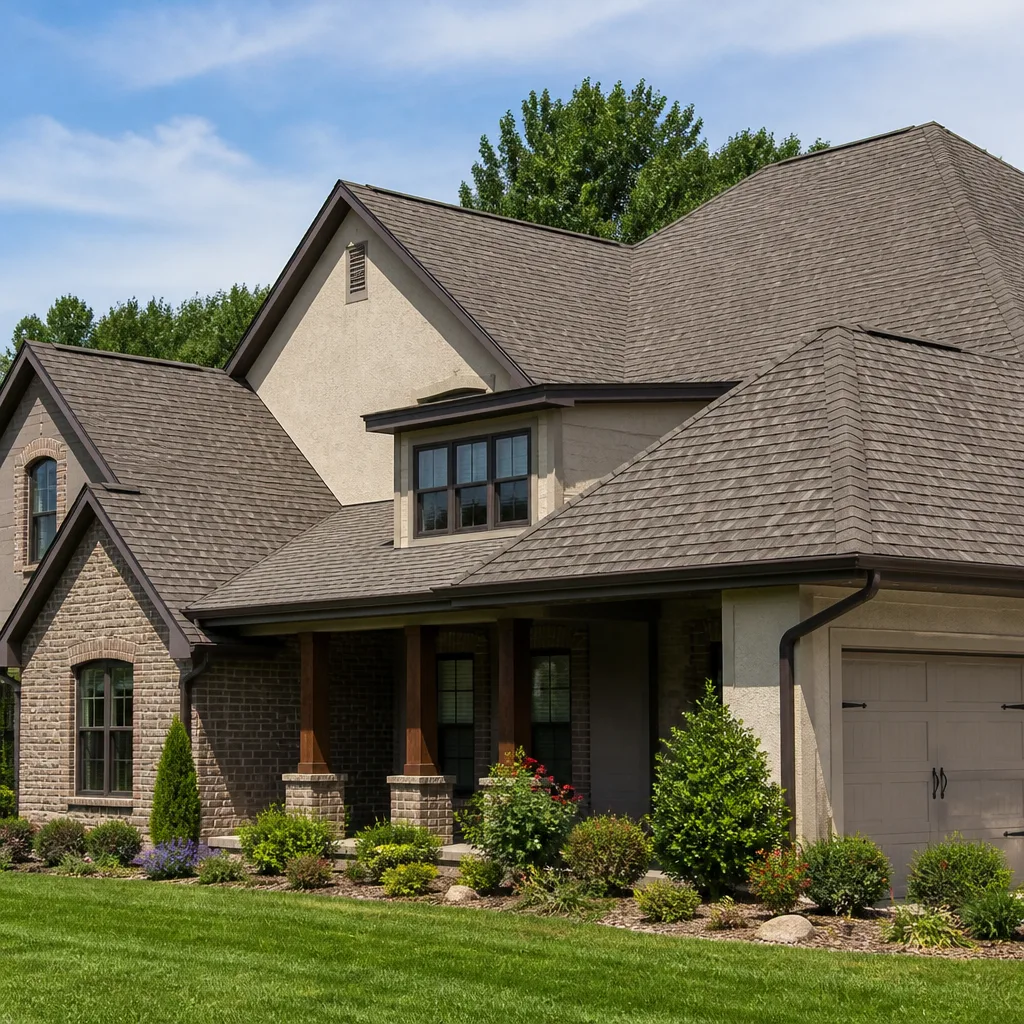 Architectural shingles
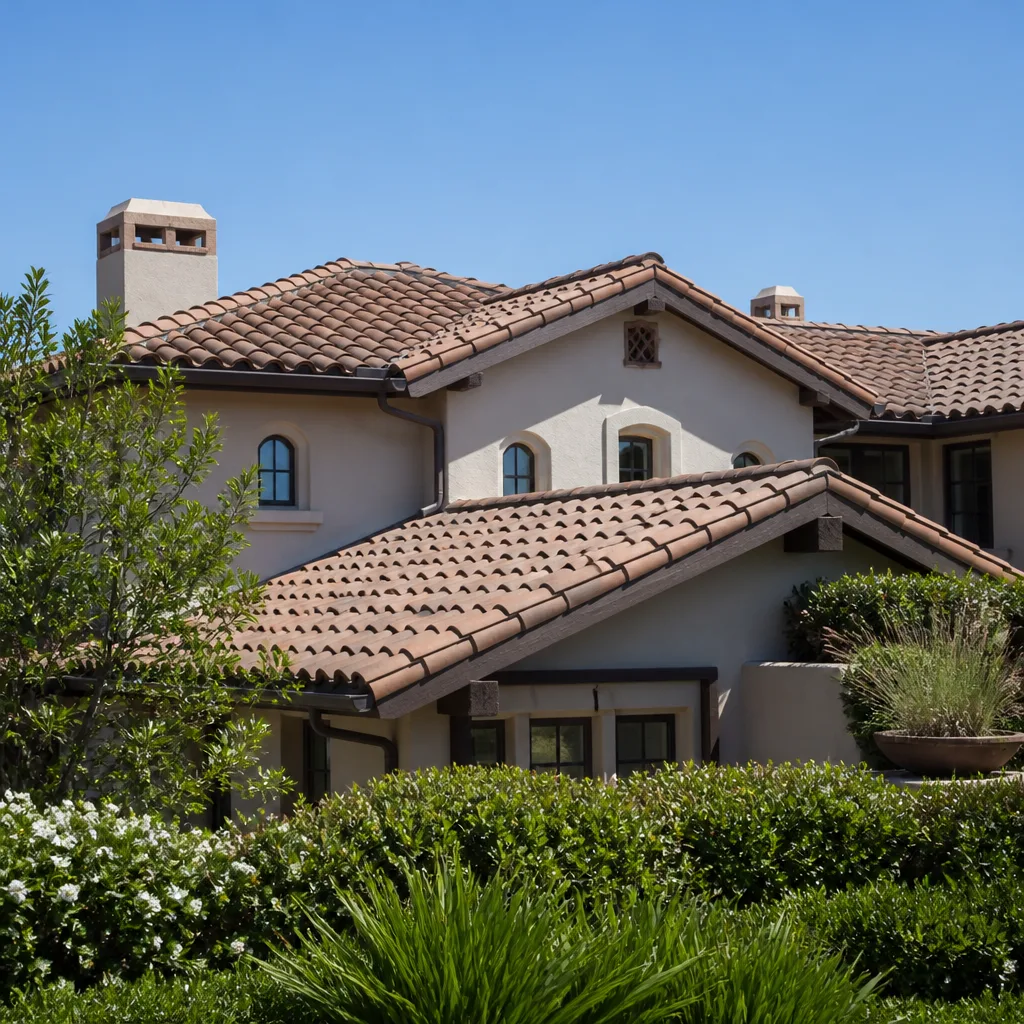 Tile roofing
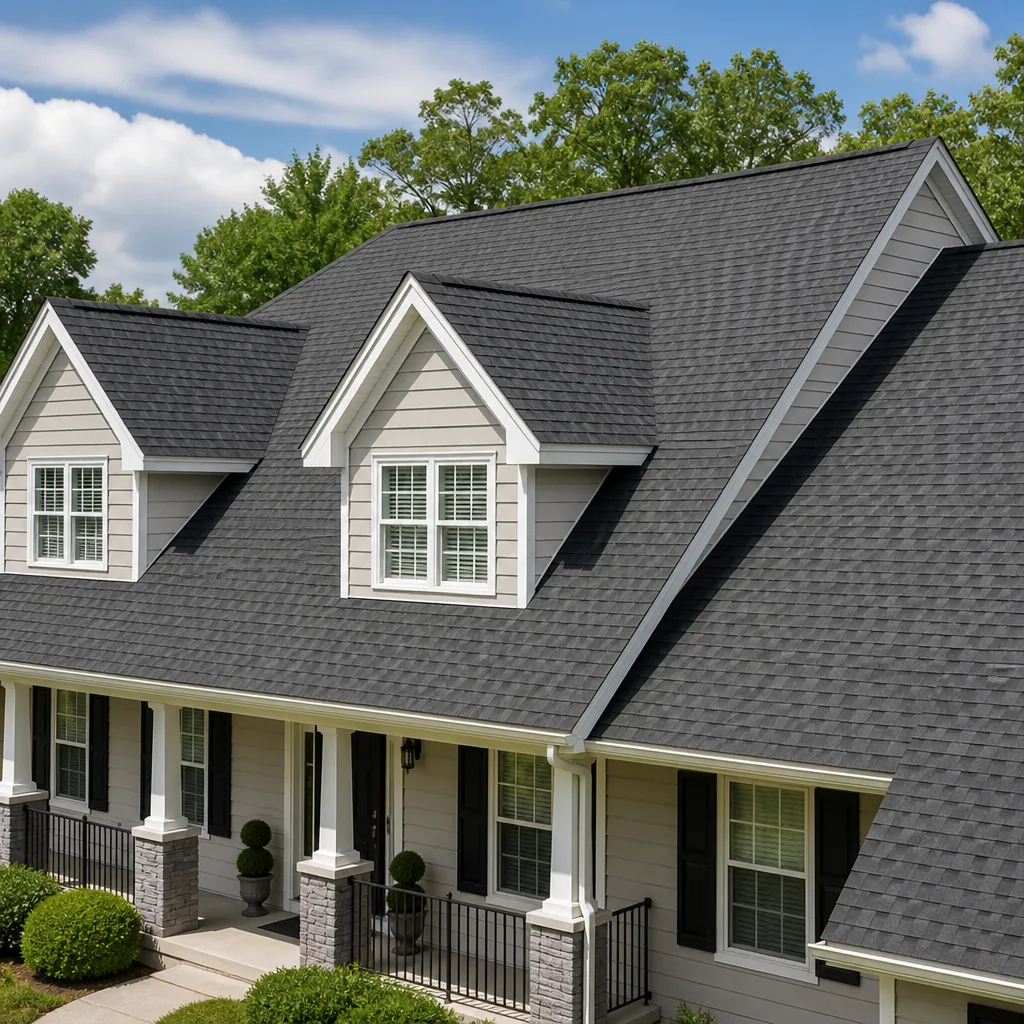 GAF
GAF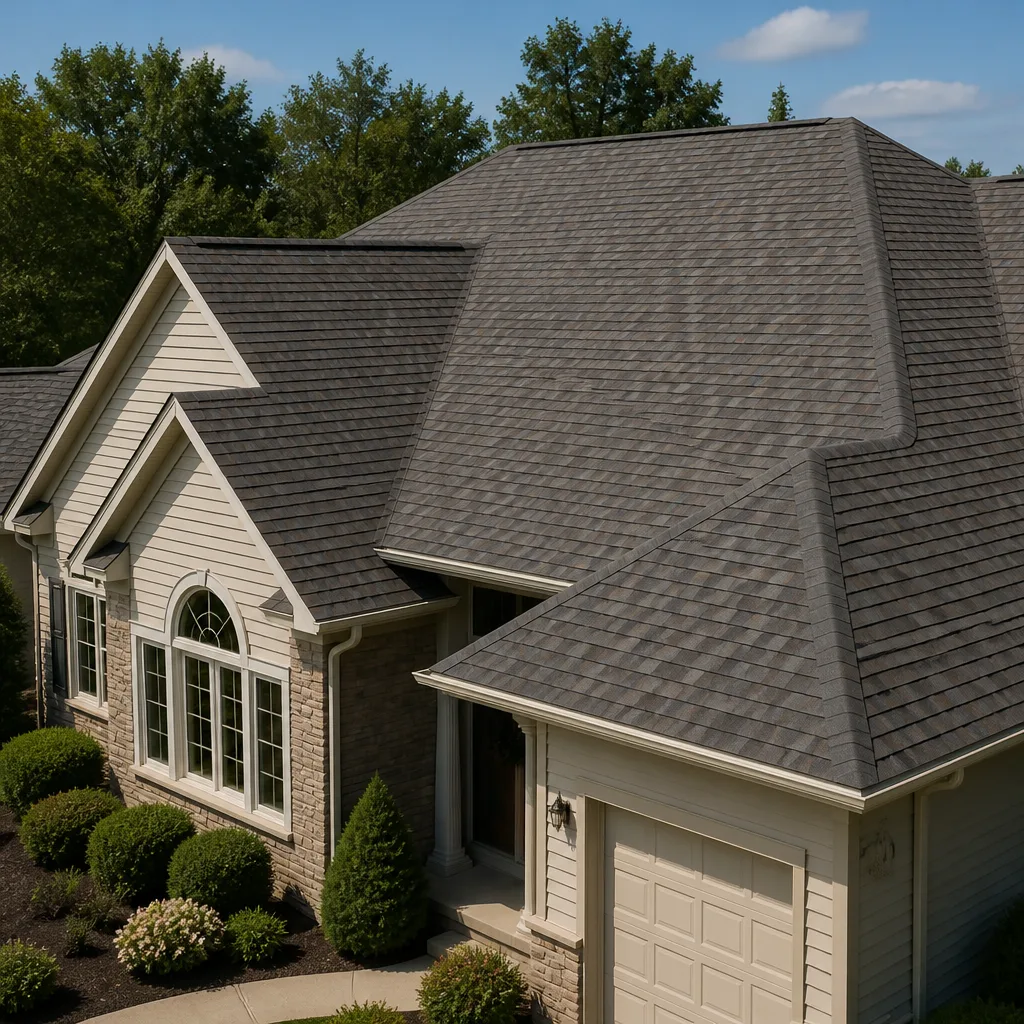 Owens Corning
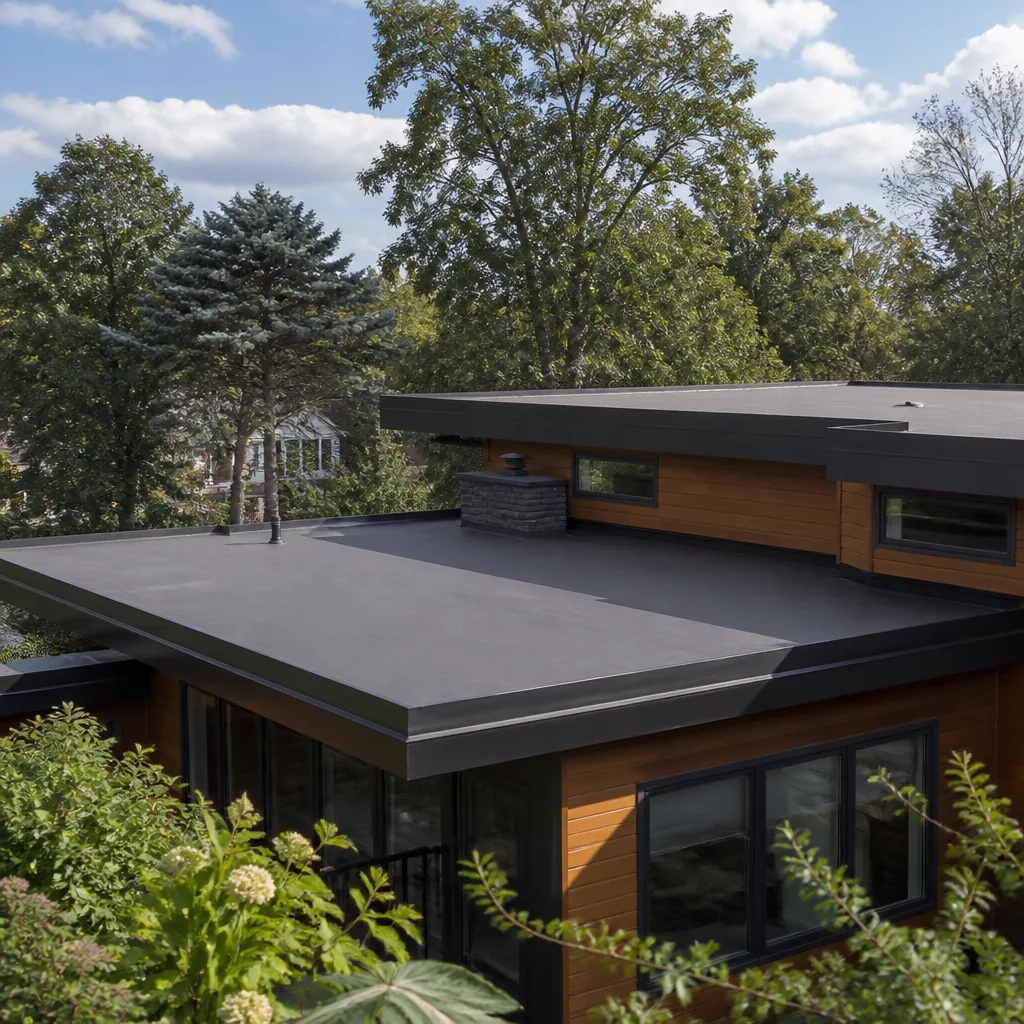 Flat & low-slope
Free roof inspection with deck photos before we talk money - GAF and Owens Corning certified installation
Roofing Cost Breakdown: The Long Beach Homeowner’s Reference for 2026
Two Long Beach homeowners with nearly identical 1,800-square-foot ranch houses received bids of $11,200 and $17,800 for what both contractors described as “a full roof replacement.” Neither bid was dishonest. The difference came down to material grade, decking allowance, underlayment spec, and disposal logistics. Both homeowners felt uneasy signing either number because neither could explain what they were actually paying for. This guide changes that. By the end, you’ll know how to read a Long Beach roofing bid line by line, spot the three omissions that cause most mid-job surprise charges, and understand why a written, itemized price protects you before a single shingle comes off.
Quick Answer
A full roof replacement in Long Beach in 2026 typically runs $11,500 to $19,800 for a standard 1,800 sq ft single-story home with architectural shingles, including tear-off, decking repair allowance, underlayment, materials, labor, permit, and disposal. Tile roofs run $17,000 to $32,000, and flat TPO sections add $1,400 to $2,600 per 300 sq ft roof area depending on insulation depth and parapet work. These numbers assume normal access and no structural surprises. The exact line items below explain where every dollar goes.
Styles & brands we work with
Table of Contents
- The Seven Line Items on Every Long Beach Roofing Bid
- Why Long Beach Disposal Costs Run Higher Than Inland Cities
- Material Cost Comparison: Shingle, Tile, and Flat Roofing, Installed
- The Three Line Items Low Bids Omit on Purpose
- How a Written Price Protects You From Change Orders
- Permitting and Code Specifics in Long Beach
- Labor Rates and What a Crew Actually Costs in 2026
- Common Mistakes to Avoid
The Seven Line Items on Every Long Beach Roofing Bid
Every legitimate roofing estimate in Long Beach breaks into seven categories. If a quote gives you one lump number with no breakdown, ask for the itemization. Contractors who resist itemizing usually know their number can’t survive scrutiny. If you’re comparing bids, use this as your checklist:
- Tear-off and disposal – removing existing shingles, felt, and fasteners down to the deck. Long Beach landfill fees, hauling distance, and the layered permitting for debris bins on city streets push this line to $1.10 – $2.30 per square foot on shingle roofs. On tile roofs, expect $2.50 – $4.00 per square foot because tiles are heavier and require more labor per square foot to clear safely.
- Decking repair – replacing rotted or compromised plywood or OSB after tear-off. Most Long Beach homes built before 1990 have at least some deck rot near eaves and valleys. Good bids include a decking allowance of $65 – $95 per 4×8 sheet for 2 – 3 sheets. Cheap bids omit this line entirely, then “discover” rot mid-job and bill you $110+ per sheet as a change order.
- Underlayment – synthetic or felt underlayment that sits between the deck and the shingles. Long Beach’s coastal humidity makes this line more important than homeowners realize. Expect $0.30 – $0.65 per square foot for a good synthetic product. If your quote lists felt paper at under $0.20 per square foot, ask whether it meets the material warranty requirements for your shingle brand.
- Materials – shingles, tile, or membrane, plus ridge caps, starter strips, flashing, vents, and fasteners. This is the line where most Long Beach bids get vague. “Architectural shingles” could mean a GAF Timberline HDZ at $125 – $160 per square (100 sq ft), an Owens Corning TruDefinition Duration at $135 – $170 per square, or a private-label product at $95 per square that looks similar on a sample board but won’t last the same. Demand brand names and model names on the bid.
- Labor – installation labor including crew, safety equipment, and supervision. Long Beach labor costs run 15% to 25% above inland markets due to prevailing wage pressure, parking constraints on tight residential streets, and the need to schedule around fog and marine-layer mornings. Expect $2.80 – $4.50 per square foot for asphalt shingle install labor, and $5.50 – $8.50 for tile.
- Permit and inspection – the City of Long Beach requires a roofing permit for any replacement, and the fee is typically $180 – $420 depending on valuation. Make sure the bid lists this as a separate line. A contractor who says “we’ll handle it” without a line item is either not pulling permits or will add it later. Permits protect you in two ways: the city inspects the work, and your homeowner’s insurance knows the job was done to code.
- Cleanup and site protection – dumpster rental, magnet sweep for nails, gutter clearing, landscape protection. This line runs $400 – $850 on most Long Beach homes. The cheapest bids often leave this off entirely, which is why you find roofing nails in your driveway for months afterward.
At Birchbark Roofing Long Beach home, every estimate we write includes all seven lines with dollar figures attached. You’ll see the decking allowance as its own entry, not buried in a vague “miscellaneous” category.
Why Long Beach Disposal Costs Run Higher Than Inland Cities
If you’ve compared a Long Beach quote with one from, say, Riverside or Ontario, the disposal line is often the first thing that jumps out. Long Beach disposal costs $200 – $500 more per roof than inland cities for three reasons that have nothing to do with contractor markup.
First, the distance. Long Beach has no active construction and demolition landfill within city limits. Debris from a roof tear-off goes to transfer stations in Signal Hill or to permitted C&D facilities near the port, and every mile of hauling costs fuel, driver time, and truck wear. A roof tear-off produces 3.5 to 7 tons of debris for an 1,800 sq ft home; at current Long Beach hauling rates, that’s $420 – $840 just for tipping and transport.
Second, street parking. Many Long Beach neighborhoods, especially Belmont Heights, Alamitos Beach, and Naples, have narrow streets with permit-only parking. A debris bin needs a city right-of-way permit, and the process takes 2 – 5 business days. Contractors who skip the permit risk citations, and the homeowner is the one the city fines. Reputable roofers build this $75 – $150 permit cost into the disposal line.
Third, recycling requirements. California’s 2026 C&D diversion rules require that at least 65% of roofing debris be recycled rather than landfilled. Asphalt shingle recycling is possible but costs more than dumping because shingles require processing to separate grit and fiberglass from bitumen. Tile recycling is less expensive but still adds labor to sort and stack. A Long Beach roofer who quotes disposal at $300 for a full tear-off is either cutting corners or planning to surprise you later. A reasonable 2026 disposal line for an 1,800 sq ft shingle roof in Long Beach is $700 – $1,100, all in.
Material Cost Comparison: Shingle, Tile, and Flat Roofing, Installed
Here’s where Long Beach homeowners get the most value from price literacy. Material cost per square foot, before labor, looks small. Installed cost per square foot is what you actually pay, and the spread between materials is often wider once labor factors in.
| Roofing Type | Material Only ($/sq ft) | Installed ($/sq ft, Long Beach 2026) | Typical Lifespan | Best For |
|---|---|---|---|---|
| 3-tab asphalt shingle | $1.10 – $1.60 | $4.20 – $5.80 | 18 – 25 years | Budget replacements, rental properties |
| Architectural asphalt shingle | $1.50 – $2.40 | $5.50 – $7.80 | 28 – 40 years | Most Long Beach homes, best ROI |
| Concrete or clay tile | $3.80 – $6.50 | $10.50 – $16.00 | 50 – 80 years | Spanish-style homes, Naples Island, Belmont Shore |
| TPO flat roofing (per 300 sq ft section) | $1.40 – $2.10 | $5.80 – $8.40 installed per sq ft | 20 – 30 years | Garage roofs, additions, mid-century modern homes |
The numbers above assume standard conditions: easy access, moderate slope, no major structural repair. A few Long Beach specifics shift these ranges. Homes in coastal fog zones (anything within about a mile of the water from downtown Long Beach to Seal Beach) benefit from higher-grade underlayment and corrosion-resistant flashing because salt air shortens the life of standard galvanized metal. That adds $0.40 – $0.80 per square foot but buys five to eight extra years before the first leak. Tile roofs in Long Beach last longer than tile roofs inland because the marine layer moderates temperature swings that cause thermal cracking, but the underlayment beneath tile still fails at the 25 – 35 year mark and needs replacement on a separate schedule from the tile itself.
We work with materials from GAF, CertainTeed, Owens Corning, IKO, and other major manufacturers because their warranty terms are clear and enforceable. If you’re comparing architectural shingles across brands, ask for the specific model name, not just “30-year shingles.” A GAF Timberline HDZ, a CertainTeed Landmark, and an Owens Corning TruDefinition Duration sit within $15 per square of each other installed, but their wind ratings, algae resistance, and warranty labor coverage vary enough to matter in Long Beach’s microclimates.
The Three Line Items Low Bids Omit on Purpose
Every Long Beach roofing contractor knows what a complete job costs. The ones bidding 20% under market aren’t magically more efficient; they’re strategically omitting scope. These are the three omissions we see most often, and the language you should use to surface them before signing.
- Deck repair allowance. A bid that says “decking repair as needed” without a dollar figure attached is a blank check. The contractor will “discover” rotted decking after tear-off (almost every Long Beach home has some) and bill you at a rate you haven’t negotiated. Ask for a per-sheet price in writing and a cap on how many sheets can be replaced without a separate written change order. We write our decking allowance into the quoted price at Roof Replacement in Long Beach, so the number on the estimate is the number on the invoice.
- Drip edge and flashing. Drip edge is the metal strip along the roof perimeter that keeps water from wicking into the fascia. Replacing it on a full roof job costs $350 – $700 for a typical Long Beach home. Many low bids leave existing drip edge in place or omit it entirely, which saves the contractor a few hundred dollars and creates a leak point where the new roof meets old metal. Flashing around chimneys, skylights, and vents is the single most common leak source on coastal homes. If the bid doesn’t list “replacement of all plumbing boots and vent flashing,” ask why.
- Magnet sweep and nail pickup. Tear-off leaves hundreds, sometimes thousands, of roofing nails in the yard and gutter line. A proper cleanup includes running a magnetic roller over the yard, driveway, and perimeter multiple times. This is one of the line items families with kids and pets notice most. It costs $150 – $300 in labor and equipment. A bid that’s suspiciously low almost always skips it, which is how your child finds a roofing nail in the grass three weeks later.
The pattern across all three omissions: the contractor is betting you won’t know to ask. Price literacy, not a higher total, is what protects you. A $14,000 bid with all seven lines itemized will almost always finish at $14,000. An $11,000 bid with three omissions will finish at $16,000 after change orders, and you’ll feel every dollar was taken from you rather than spent on your house.
How a Written Price Protects You From Change Orders
A change order is a written amendment to a contract that adds cost or scope after work begins. They’re not inherently bad: if a crew tears off shingles and finds three sheets of fully rotted decking, you want that replaced before new shingles go on. The problem is when change orders become the business model, and the only real defense is a written price that itemizes scope before the first truck arrives.
Here’s what “written price” should mean in practice, and how to evaluate it:
- Every major category has a dollar figure. Tear-off, decking allowance, underlayment, materials, labor, permit, cleanup. Not just “complete roof replacement: $14,500.” If there’s no per-sheet decking price, there’s no accountability on the decking line.
- Brand and model names appear for materials. “Architectural shingles” is not a specification. “GAF Timberline HDZ in Charcoal, plus GAF Pro-Start starter strips and GAF Seal-A-Ridge caps” is. We list manufacturer names on every bid we write at Roofing Company in Long Beach, so you can verify pricing and warranty terms independently.
- The permit line is explicit. If the number is missing or “included,” ask whether that means the permit is actually being pulled. In Long Beach, a reroof without a permit is a code violation that can complicate a future home sale.
- Cleanup scope is described, not assumed. “Job site cleaned” is vague. “Magnet sweep of yard, driveway, and planting beds; gutters cleared of debris; debris bin removed by date X; final walkthrough with photo confirmation” is an enforceable promise. At Birchbark Roofing Long Beach, the crew sends a photo of the completed clean-up before they leave, every time.
When you have a written, itemized price, a change order can only happen for conditions that were genuinely unknowable before tear-off. And even then, the per-unit price for decking, flashing, or other repair work is already established in the original quote. That’s the difference between a legitimate discovery and a contractor exploiting a discovery.
Permitting and Code Specifics in Long Beach
Long Beach operates under the California Building Code with local amendments, and the city’s Building and Safety Bureau handles Roofing Permits, Codes & Inspections in CA: What You Need to Know. A reroof permit for a single-family home in Long Beach costs $180 – $420 depending on project valuation, with additional fees for plan review if structural changes are involved. Expect the permit plus one final inspection to add 3 – 7 business days to your timeline.
Three Long Beach-specific code points worth knowing:
- Cool roof requirements. Long Beach falls under California’s Title 24 energy code, which requires that new roofing materials meet minimum solar reflectance and thermal emittance standards for low-slope roofs. For steep-slope roofs (most pitched homes), cool roof credits apply but the rule is less restrictive. If your home has a flat garage roof or a low-slope section, make sure the bid notes compliance.
- High-wind fastening. Although Long Beach is not in a designated high-velocity hurricane zone, the city’s proximity to the coast means marine-driven rain events can push water under poorly fastened shingles. Code requires specific nailing patterns and enhanced fastening at roof edges. Ask whether the crew uses the manufacturer’s published fastening schedule, and get it in writing.
- Historic districts. Homes in Bluff Park, Rose Park South, and other Long Beach historic districts often have design review requirements for roofing material changes. If you’re switching from asphalt to tile or vice versa, a Certificate of Appropriateness may be required. A local contractor should flag this before you order materials. If they don’t, that’s a signal.
On every job we run at Birchbark Roofing Long Beach, the permit is pulled by us and the final inspection is scheduled before we consider the work done. The 365-Day Done Right Promise extends through that inspection and beyond: if something isn’t right after the work is finished, we make it right, no negotiation.
Labor Rates and What a Crew Actually Costs in 2026
Labor is the largest single line on any Long Beach roofing bid, and it’s also the one most affected by local conditions. Here’s what’s behind the number.
A typical residential roofing crew in Long Beach runs four to six workers: a lead installer or foreman, two to four shinglers or tile setters, and a ground worker handling material staging and nail cleanup. Crew pay in the Los Angeles-Long Beach metro for 2026 runs $22 – $38 per hour for experienced installers, with leads commanding $40 – $55. Payroll burden (workers’ comp, unemployment insurance, liability coverage) adds 30 – 45% on top of wages. That means a six-person crew costs the contractor $1,800 – $2,600 per day before materials, disposal, or overhead.
An 1,800 sq ft shingle tear-off and replacement takes three to five working days in Long Beach. Tile takes seven to twelve. You can do the math: labor alone is $5,400 – $13,000 on an asphalt job, and $12,600 – $31,200 on a tile job. This is why a tile roof replacement bid below $17,000 should make you suspicious, not celebratory. Real tile requires real labor hours, and Long Beach’s prevailing wage landscape, street parking constraints, and coastal schedule complications all push the number toward the higher end.
One more factor: marine layer mornings. Long Beach fog means roof decks are often slick until 9 or 10 a.m. during June Gloom season, which stretches May through July on the coast. Roofing crews lose productive early-morning hours on foggy days, and experienced Long Beach roofers build that into their estimates. A crew that starts at 7 a.m. on a slick deck is risking a fall, and a roofer who doesn’t mention the fog in a Long Beach context may not actually know the microclimate-something we cover in our Seasonal Roofing Care for Long Beach: Year-Round Homeowner’s Guide.
Common Mistakes to Avoid
- Comparing only the total number. A $13,000 bid and a $15,000 bid can differ by more than $2,000 worth of genuine scope (decking allowance, underlayment grade, flashing replacement). Read the line items before comparing totals. The lower bid might simply be omitting work the higher bid includes.
- Accepting “miscellaneous” as a line item. A miscellaneous category over $500 is a red flag. Every significant component of a Long Beach roof replacement fits into a named category. If the contractor can’t describe it, you can’t verify it.
- Not asking about decking before signing. Long Beach homes built before 1990 almost always have some rot, especially around eaves and valleys. If your bid has no decking allowance and no per-sheet price, you’re pre-paying for an argument later.
- Signing a bid that doesn’t name the shingle brand. Three architectural shingles can look identical on a sample board and perform very differently over 20 years. Ask for the manufacturer name and model. Verify the warranty terms directly with the manufacturer.
- Assuming the permit is “included” means it’s being pulled. If there’s no permit line item and no permit number after the job starts, the permit probably isn’t being pulled. Long Beach Building and Safety can confirm whether a permit is active at your address.
- Not checking that the disposal plan accounts for a street-parked debris bin. Many Long Beach streets require a right-of-way permit for a dumpster. If the bin gets cited, the homeowner is the responsible party. Make sure the disposal line includes the bin permit.
- Paying the full balance before the final inspection passes. A standard residential roofing contract in Long Beach should hold at least 10 – 15% of the total until the city inspection is signed off and the clean-up photo is delivered. If a contractor asks for 100% up front, that’s a conversation stopper.
When to Call a Professional
If you’re reading this guide because a roofer just told you the roof needs replacement, get a second itemized bid and compare the seven line items. If you’re seeing water stains on the ceiling, curling shingles, or granules in the gutters after a heavy rain, call a professional before the next storm cycle. Roofing has a genuine safety component: working at height on a pitched roof is dangerous work that requires trained, equipped crews. We don’t recommend homeowners assess or repair roofs themselves, especially on the steep pitches common in Long Beach’s mid-century and Spanish-style homes. Birchbark Roofing Long Beach offers free estimates in Long Beach; call (562) 512-7366 and we’ll send someone who will walk the roof, measure, and write a full itemized price before any work starts.
See the difference
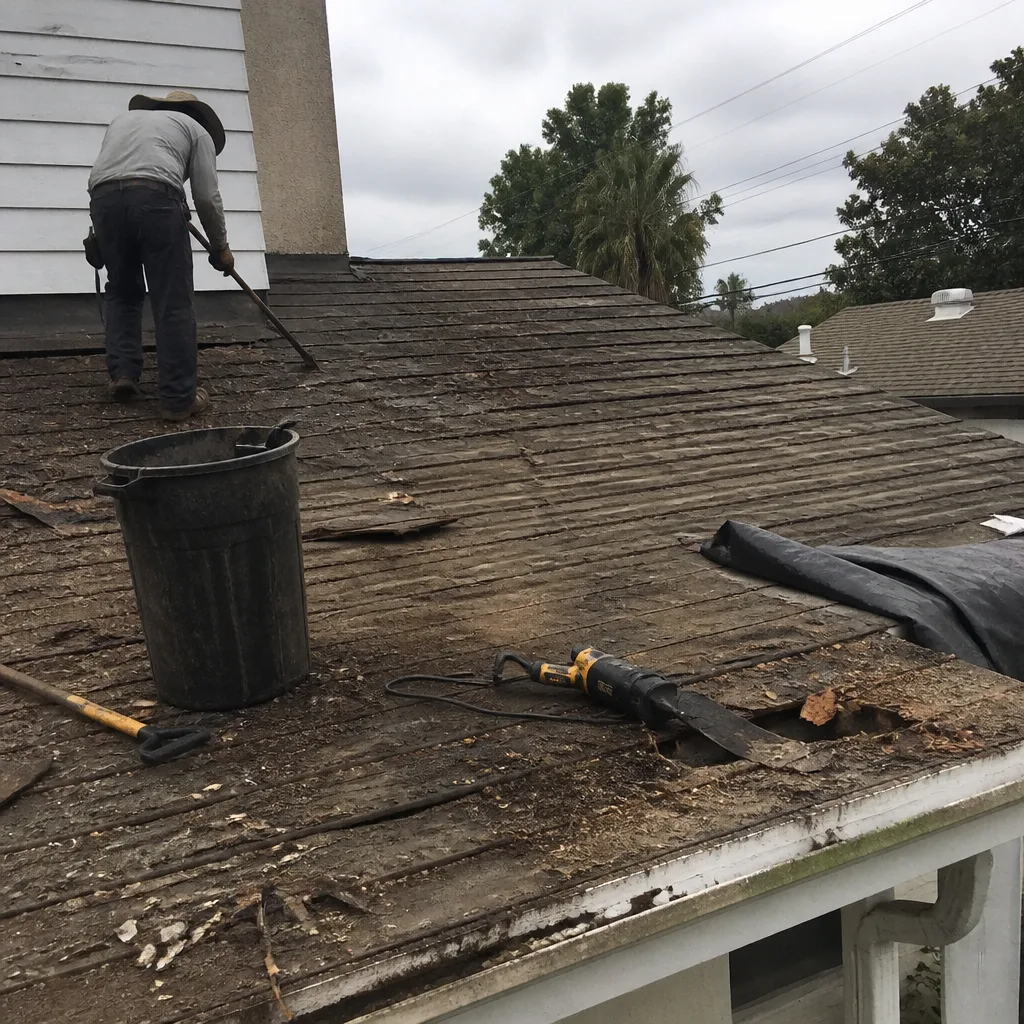 Before
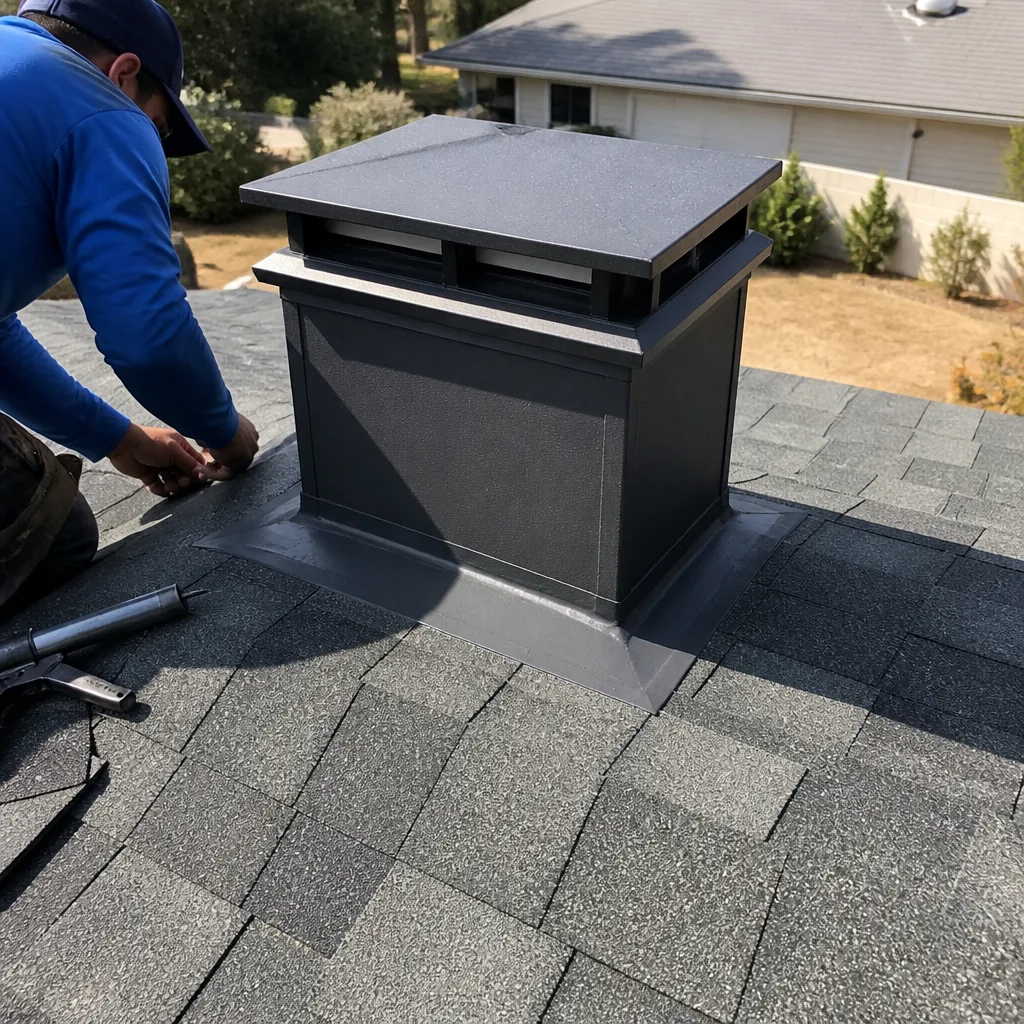 After
After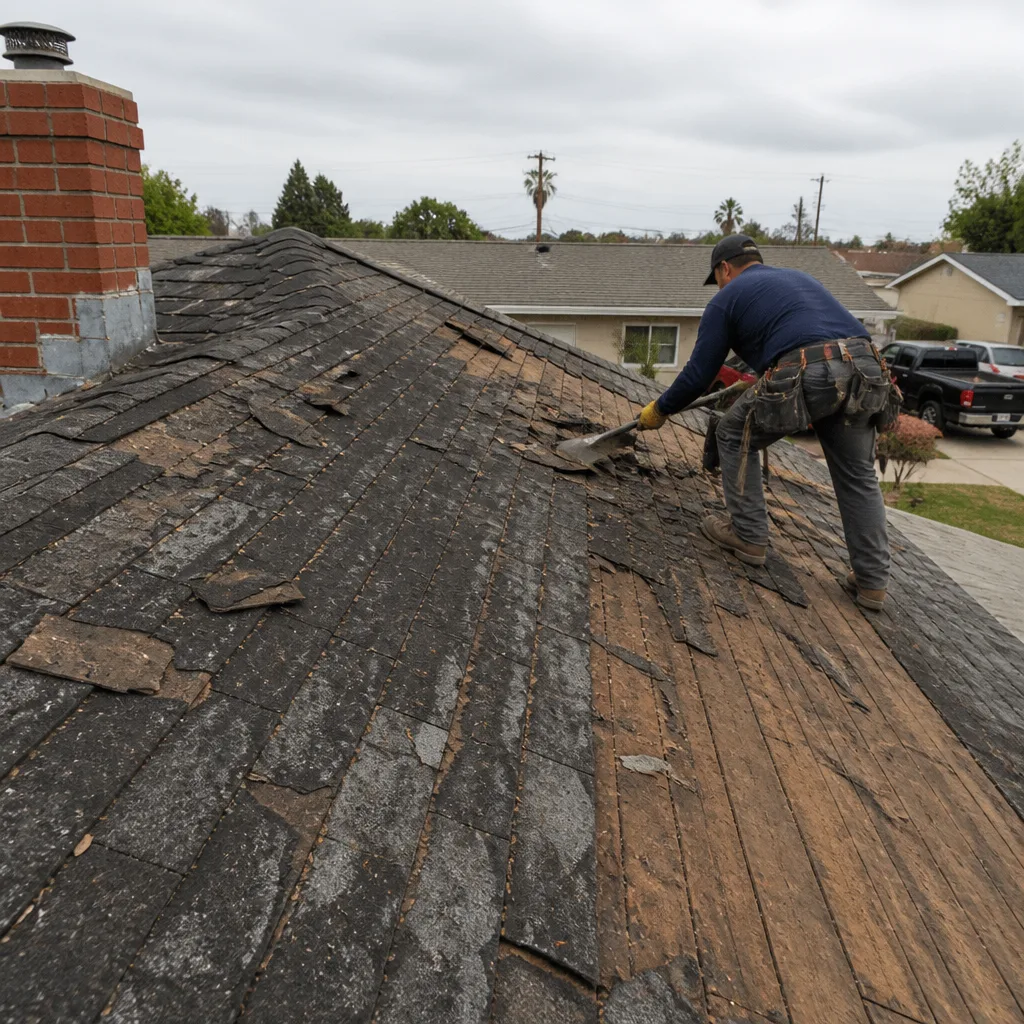 Before
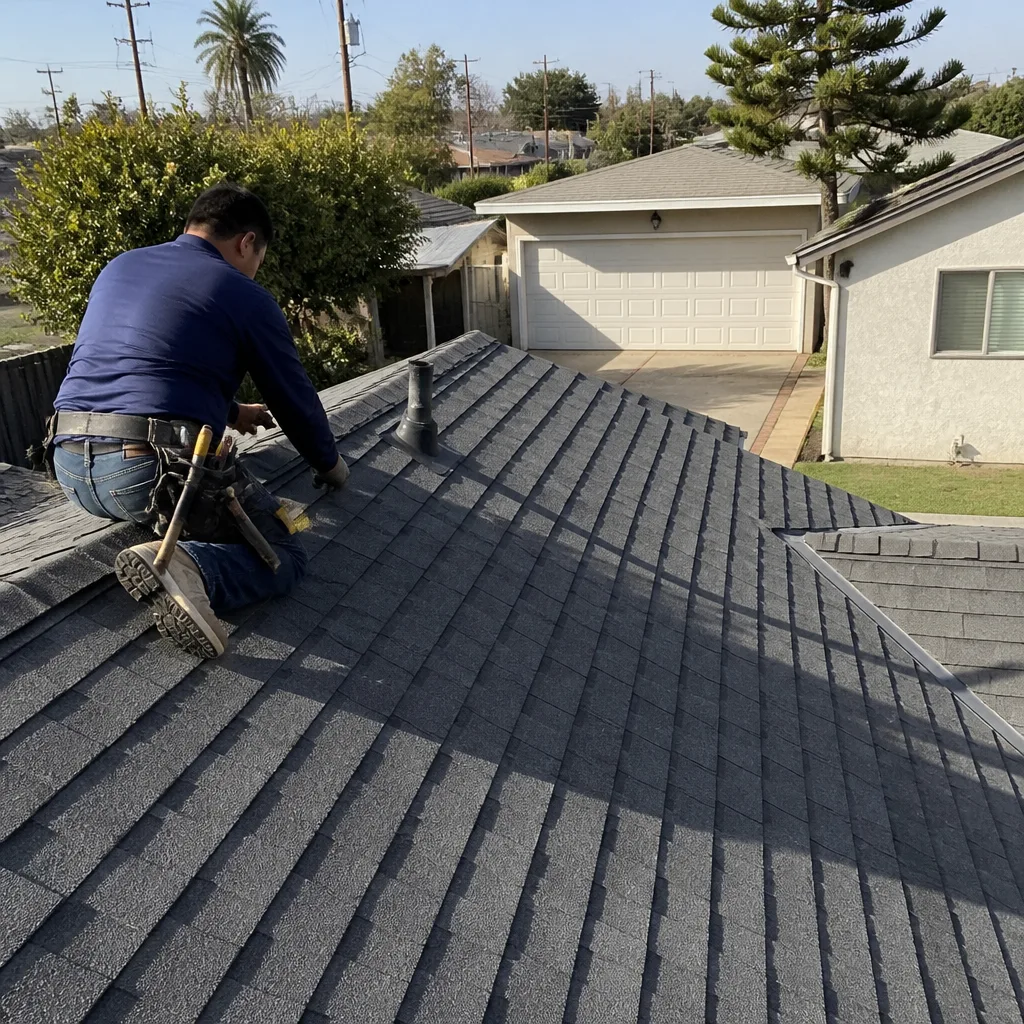 After
After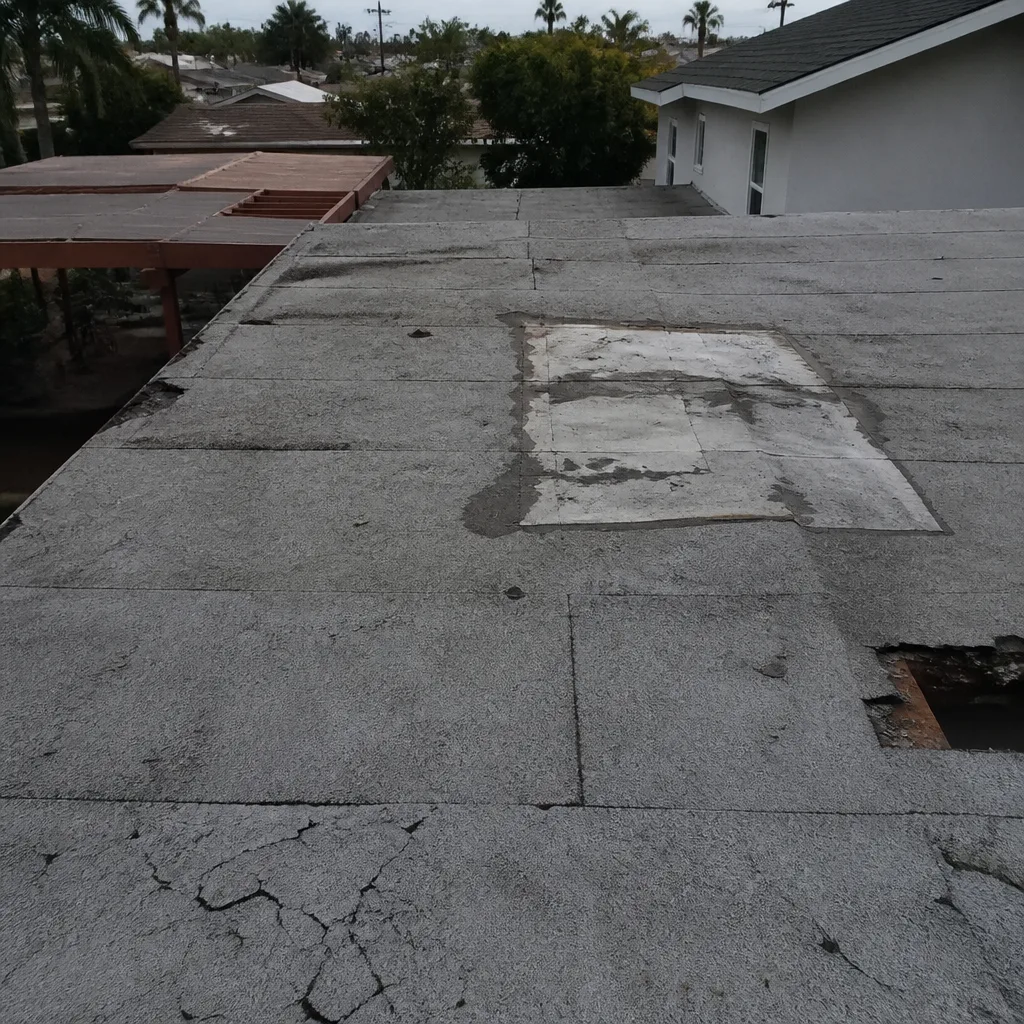 Before
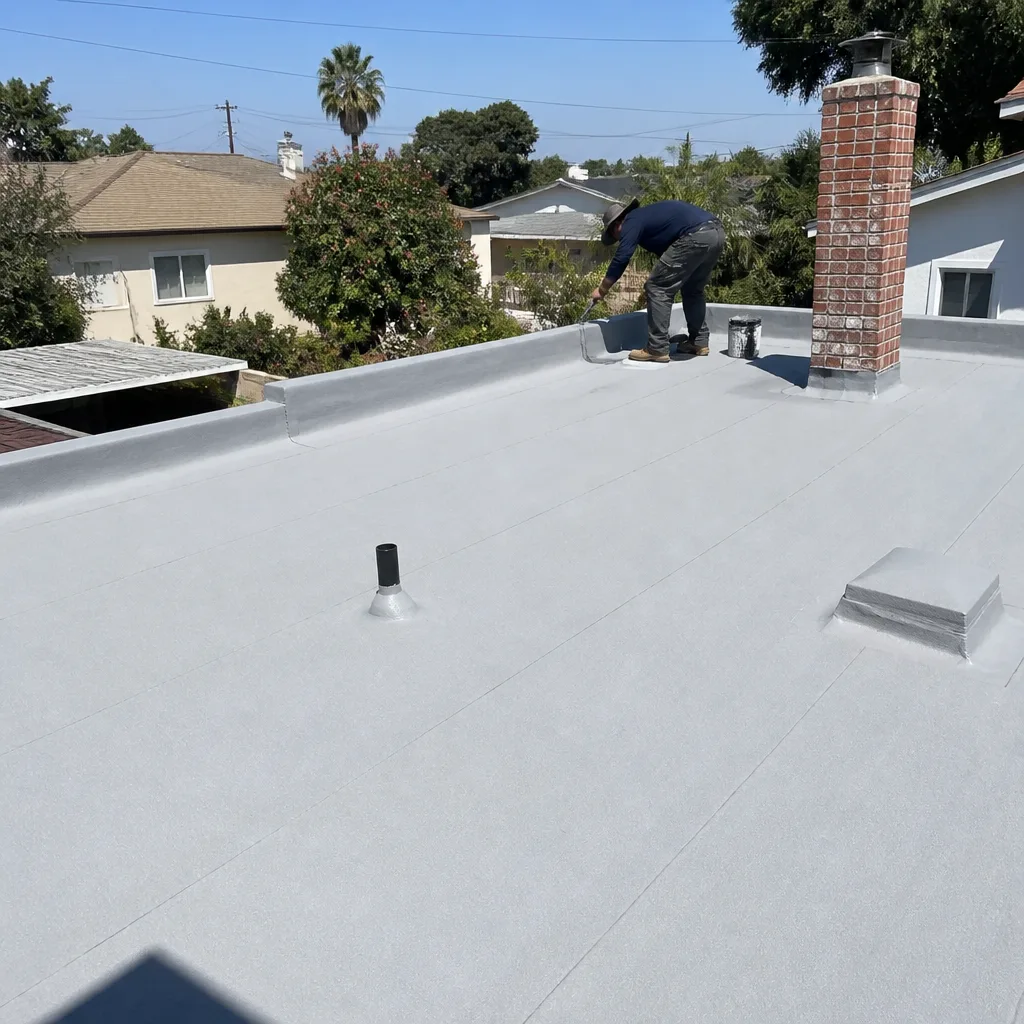 After
AfterFrequently Asked Questions
A full shingle roof replacement in Long Beach in 2026 typically costs $11,500 to $19,800 for an 1,800 sq ft home, with architectural shingles accounting for the mid-to-upper range. Tile roofs run $17,000 to $32,000. These figures include tear-off, decking allowance, underlayment, materials, labor, permit, and disposal. Call (562) 512-7366 for a written, itemized estimate specific to your home.
Check that the quote itemizes all seven line items: tear-off and disposal, decking repair, underlayment, materials (with brand names), labor, permit, and cleanup. A quote that only shows one lump number is incomplete. We’ll always give you a written breakdown before any work begins; ask for it from every contractor you consider.
It should only change if we find rot or damage that was genuinely hidden before tear-off. A legitimate bid includes a per-sheet decking price and a cap on how many sheets can be added without a separate written change order. At Birchbark Roofing Long Beach, the written price you approve is the number on the invoice, and any necessary change is explained and approved by you before it happens.
Yes. The City of Long Beach requires a reroof permit for full replacements, and the cost runs $180 – $420. The permit includes a city inspection that protects you and your insurance. Any contractor who suggests skipping the permit is asking you to violate city code.
Architectural asphalt shingles offer the best ROI for most Long Beach homes, with installed costs of $5.50 – $7.80 per square foot and a 28 – 40 year lifespan with good maintenance. Tile makes sense on Spanish-style homes and in neighborhoods like Naples and Belmont Shore where the aesthetic matters and the roof will be kept long-term. Flat TPO is the right choice for garage roofs and mid-century modern additions.
Disposal runs $200 – $500 higher due to hauling distance and California C&D recycling requirements. Labor runs 15 – 25% higher due to metro wage pressure and fog-related scheduling delays. Parking on narrow residential streets adds bin permit and logistics costs. These are real costs, not contractor markup, and a bid that ignores them will likely become a change order later.
The Bottom Line
You don’t need to become a roofing expert to protect yourself on a Long Beach roof replacement. You need the ability to read a bid and ask three questions: Is the decking allowance explicit and priced per sheet? Are material brands and models named? Does the cleanup description include a magnet sweep and a final walkthrough photo? When a contractor gives you a written, itemized price and holds to it through inspection, you’re paying for outcome, not anxiety. For more guides & resources, or to see this approach applied to your own roof in Long Beach, call (562) 512-7366 and ask for a free estimate. You’ll get a written price before any work starts, a clean-up photo before the crew leaves, and the 365-Day Done Right Promise behind every part of the job.
Written by Erik Lindgren, Owner at Birchbark Roofing Long Beach, serving Long Beach since 2000.