
Last updated October 17, 2026
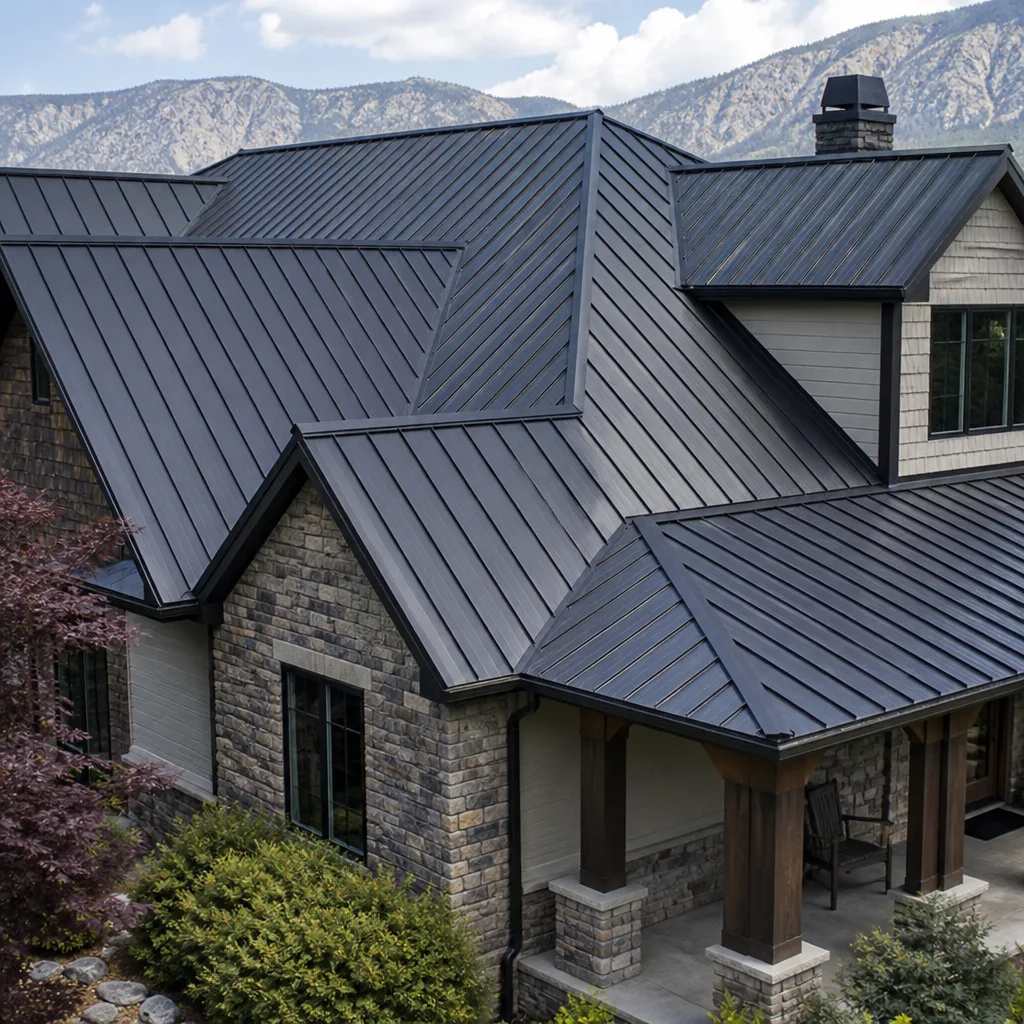 Metal roofing
 Architectural shingles
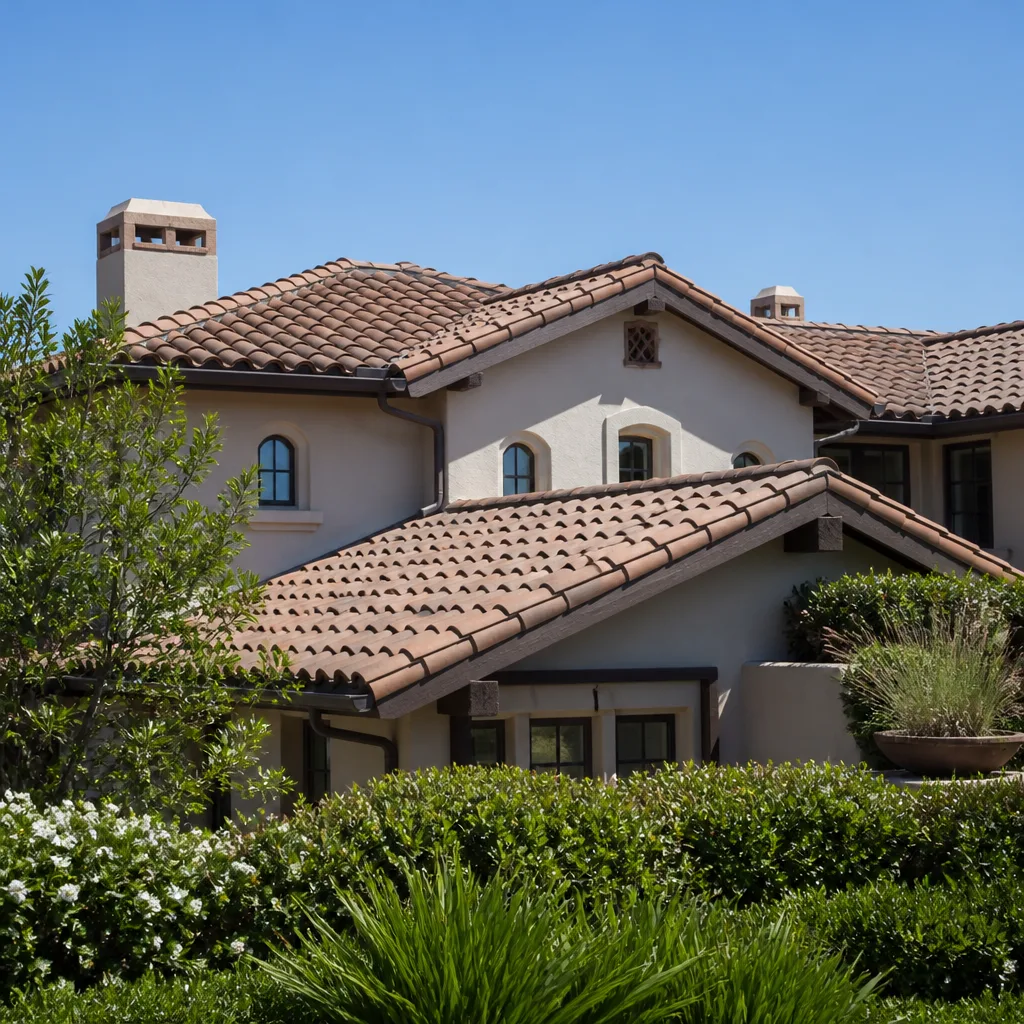 Tile roofing
 GAF
GAF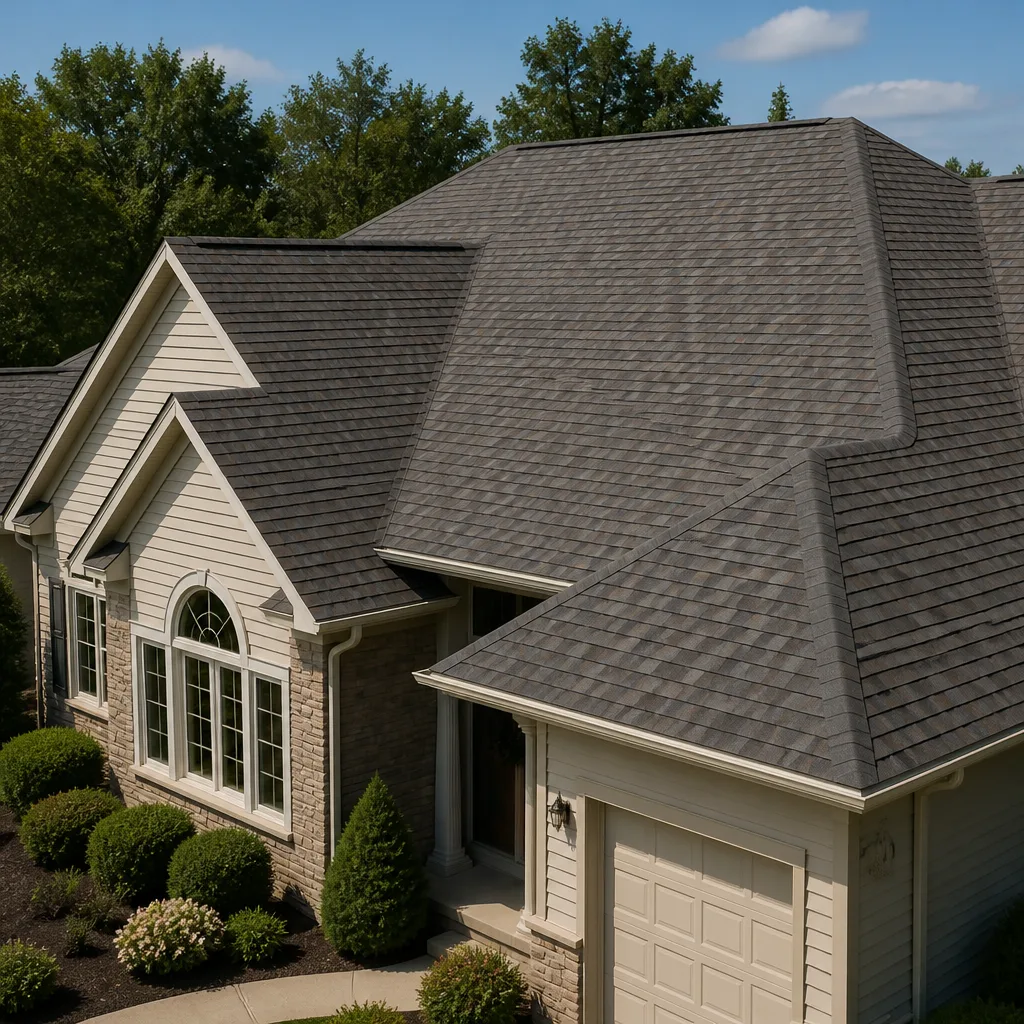 Owens Corning
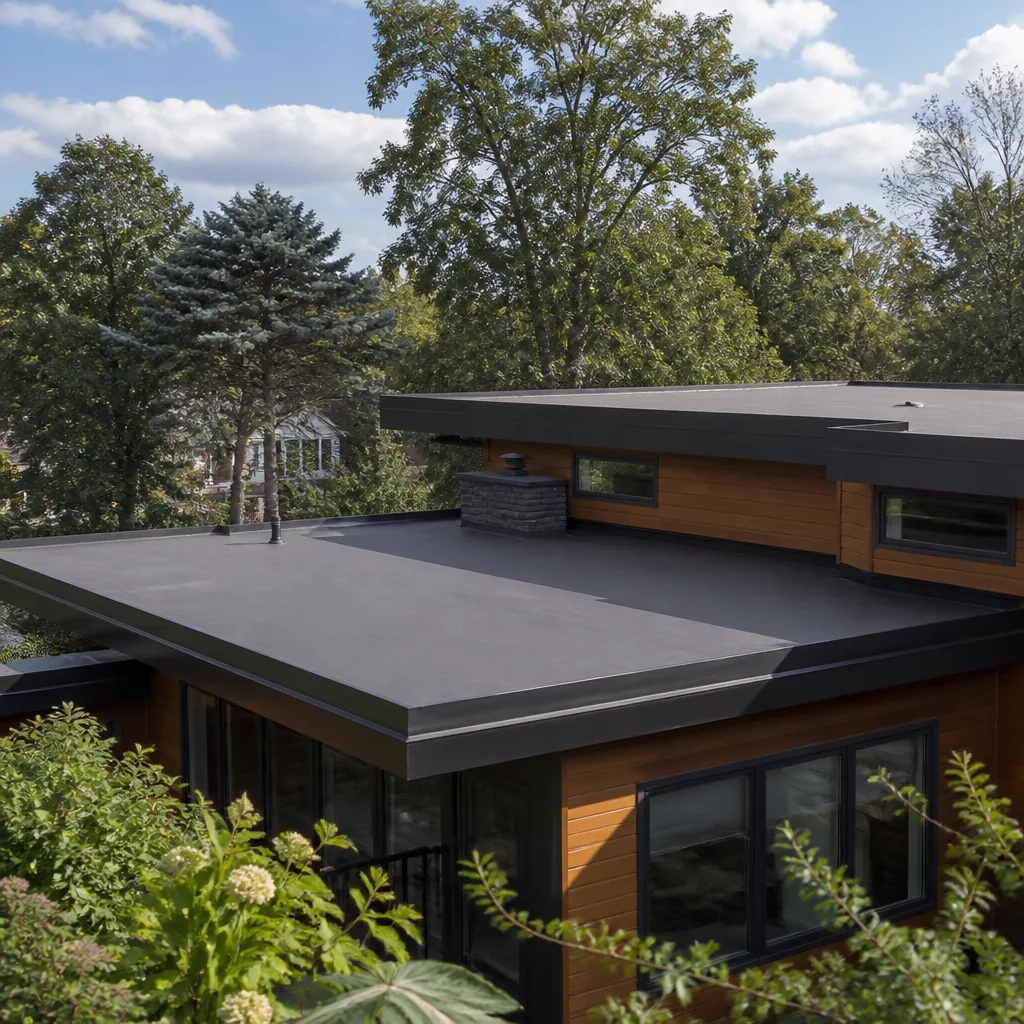 Flat & low-slope
Free roof inspection with deck photos before we talk money - GAF and Owens Corning certified installation
Seasonal Roofing Care for Long Beach: Year-Round Homeowner’s Guide
Long Beach gets roughly 12 inches of rain a year. Boston gets that in two months. So most homeowners here look up at their roof maybe once a year, shrug, and figure it’s fine. But those 12 inches fall almost entirely between November and March, and if a single flashing joint failed during the dry summer when nobody was looking, that first November storm finds it within an hour. This guide walks you through what a Long Beach roof actually goes through each season, when to check it, and which tasks matter most. For more guides & resources, visit our blog.
Quick Answer
Seasonal roofing care in Long Beach comes down to two critical windows: a pre-rain inspection in October and a post-rain attic check after the first significant storm, plus Santa Ana wind awareness in fall and moss prevention during the summer marine-layer months. The goal is catching small flashing and sealant failures before winter rain turns them into interior leaks.
Styles & brands we work with
Table of Contents
- Why Long Beach Weather Demands a Different Maintenance Calendar
- October: The Pre-Rainy-Season Checklist That Prevents Most Leaks
- Santa Ana Winds: What They Do to Ridge Caps and Flashings
- Summer Marine Layer: The Slow Moss and Algae Problem
- Post-Rain Inspection: What to Look for in the Attic
- Building a Roofing Log: Why Your Roof Needs a Paper Trail
- Common Mistakes to Avoid
- When to Call a Professional
Why Long Beach Weather Demands a Different Maintenance Calendar
Most roofing guides are written for climates with snow loads, ice dams, and spring thaws. Long Beach doesn’t have those. What it has is a Mediterranean pattern that produces two distinct stress periods on roofing materials: hot, dry Santa Ana winds from the desert and a cool, damp marine layer that sits over the city for weeks at a time. Neither one announces itself dramatically. Both do their damage slowly, without anyone on the ground noticing.
The Santa Ana season runs roughly September through November. These winds can gust 40 to 60 miles per hour in some Long Beach neighborhoods, and they hit roofs from the northeast, which is not the direction most roofing components are designed to take repeated abuse from in a coastal city. Every gust that catches the edge of a ridge cap or the lip of a flashing creates a tiny flexing motion. Over a few seasons, that flexing works sealant loose, cracks caulking, and lifts shingle tabs just enough for wind-driven rain to get underneath.
Then comes the marine layer, typically settled in from late spring through early fall. In neighborhoods closer to the coast, like Belmont Shore, Naples, and the Peninsula, the marine layer can sit low until early afternoon. That persistent moisture in the air supports moss and algae growth on north-facing roof slopes and shaded sections of roofing. While moss won’t destroy a roof in a single season the way a Texas hailstorm can, it holds moisture against shingles and tiles for extended periods, shortening their effective lifespan.
If you’re a homeowner in Long Beach, forget the four-season model. Think two critical windows: October, before the rain arrives, and right after the first big storm in November or December. Those are the moments when roof maintenance actually pays off.
For a deeper understanding of our approach to maintenance and replacement, read more about what a roofing company in Long Beach should offer before you agree to any work.
October: The Pre-Rainy-Season Checklist That Prevents Most Leaks
Every October, set aside one dry weekend afternoon for the roof. You don’t need to climb onto it. In fact, for most homeowners, the safest thing is to stay on the ground or use a ladder only if you’re comfortable. The key word is inspection, not repair. You’re looking for things that have changed since last year.
Here’s the two-hour October checklist that prevents most winter leak calls in Long Beach:
- Clean the gutters and downspouts. In Long Beach, our deciduous tree mix includes jacarandas, magnolias, and liquidambars, all of which drop significant leaf material in fall. Clogged gutters cause water to back up under the roofline and into fascia boards, which is how small roof issues become large structural ones.
- Inspect the flashing joints from the ground with binoculars. Look at chimneys, skylights, vents, and wherever a wall meets the roof. Dark streaks, lifted edges, or visible gaps in the sealant are the problem signs. If you can see it from the ground with binoculars, a roofer can see it better with a ladder.
- Check the roof valleys. These are the V-shaped channels where two roof planes meet. Oak leaves, palm fronds, and even beach sand blow into them over the summer. Debris in valleys redirects water sideways under the shingles. A roof valley full of leaves is a leak waiting for the first rain.
- Look for cracked or missing tile on clay tile roofs. Many Long Beach homes, especially those built before the 1980s in neighborhoods like Los Altos and Plaza, have concrete or clay tile roofs. A cracked tile won’t leak immediately because of the underlayment, but it’s a signal that the underlayment is now exposed to UV light and more vulnerable.
- Trim tree branches that touch or overhang the roof. During Santa Ana winds, branches scrape against shingles and tiles, working granules loose and cracking surfaces. Any branch you can reach from the ground should be cut back at least two feet from the roof line.
- Do a visual check of the roof’s overall surface. From across the street or with binoculars, look for shingles that look different than their neighbors, streaks that suggest granule loss, or tiles sitting at an odd angle. Any of these is worth a professional look.
If you find something concerning during your October check, roof repair in Long Beach is more affordable and faster when it’s done before the rain, not after. A small flashing repair in October costs less than water damage remediation in December. Most residential roof repairs in this scope run between $400 and $1,400 in Long Beach, but you’ll see your exact number in writing before any work starts.
Santa Ana Winds: What They Do to Ridge Caps and Flashings
Santa Ana winds are a defining feature of autumn in Long Beach. They’re hot, dry, and they come from the desert, funneling through mountain passes and hitting the coast with sustained force. For a roof, the direction matters as much as the speed. Most coastal roofs are built to shed water from the west and southwest, where our rain typically comes from. Santa Ana winds hit from the northeast, driving rain, dust, and debris into angles the roof wasn’t designed to defend from that direction.
The components most at risk during Santa Ana season:
- Ridge caps. These are the pieces that run along the peak of the roof. Wind gets underneath the edges and pulls upward. After several Santa Ana seasons, the mortar or adhesive holding ridge caps in place starts to loosen.
- Flashing at chimneys and skylights. Wind-driven rain from the northeast hits these vertical surfaces from an unusual angle. Sealant that’s perfectly adequate for west-facing rain may fail when rain is driven sideways at 45 miles per hour from the opposite direction.
- Loose shingle tabs. The leading edge of each shingle creates a small uplift zone. Wind that gusts repeatedly from one direction can curl tabs upward, cracking the adhesive seal. Once that seal is broken, the shingle is vulnerable to future wind events from any direction.
- Debris build-up. Santa Ana winds carry palm fronds, branches, and even outdoor furniture cushions onto roofs. A cushion wedged into a valley redirects water in unpredictable ways during the first storm.
What to do in November, before the rain arrives: walk the perimeter of your home and look up. Specifically look at ridge lines for any cap that’s shifted or missing, and at flashings for any piece that’s lifted. Listen for rattling during high-wind nights. That sound often means a loose flashing or vent cap.
If you’re uncomfortable examining your own roof, that’s a reasonable boundary to draw. A roof inspection doesn’t need to involve a homeowner on a ladder. A professional roofer with the right equipment can complete a thorough inspection safely. The important thing is that the inspection happens before the first drenching rain, not after water has already made it to the ceiling.
We use materials from manufacturers like GAF, Owens Corning, and Boral, selected for how they perform in coastal wind conditions. The specific product chosen for any given roof depends on the home’s shape, exposure, and budget, but the conversation always starts with a written price before any work begins.
Summer Marine Layer: The Slow Moss and Algae Problem
From June through September, Long Beach wakes up to gray skies. The marine layer, cold air condensing over the Pacific, rolls in overnight and burns off by early afternoon. It keeps neighborhoods near the coast cool, which is one of the reasons people pay a premium to live in Belmont Heights and Alamitos Heights. But it also creates the exact conditions where moss and algae begin colonizing roofs.
Moss, algae, and lichen need three things: moisture, shade, and a food source. The marine layer provides the moisture. The north side of every roof in Long Beach provides the shade. And the limestone, crushed rock, or organic material in shingles provides the food. On north-facing slopes and on sections shaded by large trees, moss begins to take hold during the summer months when the rest of the roof is dry enough to prevent growth.
The problem is rarely visible from the street. North-facing slopes face away from the main road, and the greenish cast of early moss growth blends in with the surrounding vegetation. Homeowners only notice when the moss is established, by which point it has had weeks or months to work on the roof surface.
Why moss matters beyond aesthetics:
- Moisture retention. Moss absorbs and holds water. When it sits on a shingle surface, it keeps that surface damp long after the morning marine layer has burned off. Continuous moisture accelerates the breakdown of asphalt-based materials.
- Root systems lift shingles. Moss sends tiny root-like structures into the granules and adhesive between shingle layers. As it grows, it physically lifts shingle tabs, breaking the seal and creating pathways for water.
- Algae stain damage. The black streaking you see on roofs in Long Beach is a cyanobacteria called Gloeocapsa magma. It feeds on the limestone in asphalt shingles, and over time it erodes the granule layer that protects the shingle from UV rays.
If you see green or black discoloration on any exposed roof section, particularly one that faces north or sits under a tree canopy, that’s the summer marine layer doing its work. The fix is straightforward: a careful cleaning with the right method, followed by a maintenance plan. It’s not urgent in the way a leak is urgent, but it’s a slow march toward a shorter roof lifespan.
Some homeowners ask about pressure washing. Don’t pressure wash asphalt shingles. The force strips granules, reduces the roof’s remaining life, and often voids the shingle manufacturer’s warranty. A soft wash with a bleach-based solution applied at low pressure is the standard approach, and it’s the kind of job where hiring someone who knows what they’re doing protects your investment.
Our technicians follow the Birchbark Roofing Long Beach home standard on every visit: shoe covers at the door, drop cloths through the hallway, and a photo of the completed clean-up before the crew leaves. That’s the Cedarwell Care Promise, and it applies to inspections and cleanings the same way it applies to full roof replacements.
Post-Rain Inspection: What to Look for in the Attic
The first significant rain of the season usually arrives in November or December. Within 24 hours of that rain stopping, you want to get into the attic. That’s not dramatic. That’s just using the one window where a leak is actively visible before it has a chance to dry out. Once the roof dries, a small leak can be nearly impossible to trace, and the problem goes underground until the next storm, by which point more damage has occurred.
Here’s the post-rain attic inspection in five steps:
- Gather your equipment. A flashlight, a phone camera, and a dust mask are all you need. If the attic has unfinished flooring, take a sheet of plywood to kneel on, or stay on the joists only.
- Turn off the attic light. Your eyes will pick up light leaking through the roof much better in a dark attic. Any place where daylight comes through is a potential water entry point, even if it’s a pinhole.
- Scan the underside of the roof decking. Look for dark spots, water stains, white powdery residue, or any area that looks different from the surrounding wood. These signs indicate moisture has been present at some point, even if it’s dry now.
- Check around all penetrations. Chimneys, plumbing vents, exhaust fans, and skylights all pass through the roof deck. Look at the wood immediately surrounding these penetrations. Stains here often mean the flashing has failed or the sealant has cracked.
- Cheek the insulation. Wet insulation compresses and loses its effectiveness. If you see insulation batting that’s matted down in one area, or if the underside of the roof deck above that insulation shows dark staining, water has been getting in and running along the decking before soaking into the insulation.
If you find any sign of water, mark the location. Take photos. Note the date of the rain and the date of the inspection. Then call a roofer. A leak in the attic is often traceable to a specific flashing or shingle, but finding it requires getting onto the roof and examining the surface above the stain. The source and the stain are rarely directly lined up. Water runs downhill along the decking, so the entry point may be several feet away from where you see the interior evidence.
Addressing leaks quickly matters in Long Beach for a reason that surprises people: the dry climate means this leak will dry out completely between storms and disappear. Then the next storm arrives, and the leak returns, and the cycle of damage continues for another season. Every wet-dry cycle expands the compromised area. What starts as a small stain becomes rotted decking becomes a full roof section replacement.
Building a Roofing Log: Why Your Roof Needs a Paper Trail
Most homeowners know the year their roof was installed, and that’s all. They don’t know when the gutters were last cleaned, when a tile was replaced, when the flashing was resealed, or when the first moss growth appeared. That information gap matters when it’s time to make decisions. A roofing contractor who can see the history can give a more accurate quote and spot patterns before they become problems. A contractor who can’t see the history is working blind.
A roofing log is simply a running record. Here’s how to start one:
- Choose your format. A spreadsheet, a note-taking app, or a physical notebook all work. What matters is that it’s accessible and you’ll actually use it. One page per calendar year is enough.
- Document the baseline. Write down the roof’s installation year, material type (asphalt shingle, concrete tile, metal, etc.), and any warranty information you have. Include the manufacturer if you know it. If you have the original contract, add the contractor’s name to the record.
- Log every inspection and its date. October pre-rain check, post-rain attic check, any mid-summer glance you take. What did you see? What did you clean? What did you defer?
- Document every repair and contractor visit. The date, the company, what was done, and how much it cost. Attach photos if you have them.
- Note any unusual weather events. A particularly fierce Santa Ana wind event, an unusually wet winter, a tree that lost a major limb onto the roof. These events correlate with future roof issues.
When you eventually call a roofer for an estimate, share your log. It paints a picture. A contractor who sees “flashing resealed in 2022, moss treated in 2023, wind damage noted in October 2024” understands the roof’s health trajectory. Without that history, the same contractor sees a roof that’s “getting older” and might recommend more work than necessary. The log also protects you during any conversation about warranty claims, because you can show what maintenance was done and when.
The log is also a genuinely useful tool when it’s time for a roof replacement in Long Beach. A replacement decision should be based on the accumulation of evidence over time, not a single alarming moment. Your log provides that evidence.
Common Mistakes to Avoid
- Ignoring the roof because it doesn’t rain much. The dry months are when sealant dries out, flashing loosens, and moss grows. Low annual rainfall means the roof needs maintenance more often, not less, because failures hide during dry spells and only appear during storms.
- Waiting until March to think about the roof. By March, the rain has already come and gone, along with the chance to fix problems before they leaked. The entire maintenance calendar should center on October and November in Long Beach.
- Walking on a tile roof to inspect it. Clay and concrete tiles crack under foot traffic. A homeowner who climbs onto a tile roof to save money often creates the very damage they were trying to find. Ground-level or ladder inspection is sufficient for most seasonal checks.
- Pressure washing moss off asphalt shingles. High-pressure water strips away the granules that protect the shingle from the sun. The roof looks clean afterward, but it will fail years early. The correct method is a soft, low-pressure treatment.
- Painting over a water stain on the ceiling. A cosmetic fix hides evidence of an active leak. Until the roof is inspected, a painted-over stain means you can’t tell whether the underlying problem is getting worse. Fix the roof first, then repaint.
- Skipping the attic check because the roof “looks fine” from the outside. The most common small failures in Long Beach are flashing and sealant failures that leave no visible trace from the street. The attic is where those failures become apparent.
When to Call a Professional
Some roof maintenance tasks are genuinely DIY-appropriate: gutter cleaning, branch trimming, walking the perimeter with binoculars, checking the attic after a rain. Others are not. Call a professional if you see: signs of attic moisture that appeared after a rain, cracked or missing tiles, loose flashing around a chimney or skylight, moss covering more than about 10% of the visible roof surface, or any roof leak of any size. Walking on a damaged roof is dangerous. Working on a sloped roof without proper equipment is dangerous. If you’re not certain, the safe move is to hire someone who is certain. Birchbark Roofing Long Beach offers free estimates in Long Beach – call (562) 512-7366.
See the difference
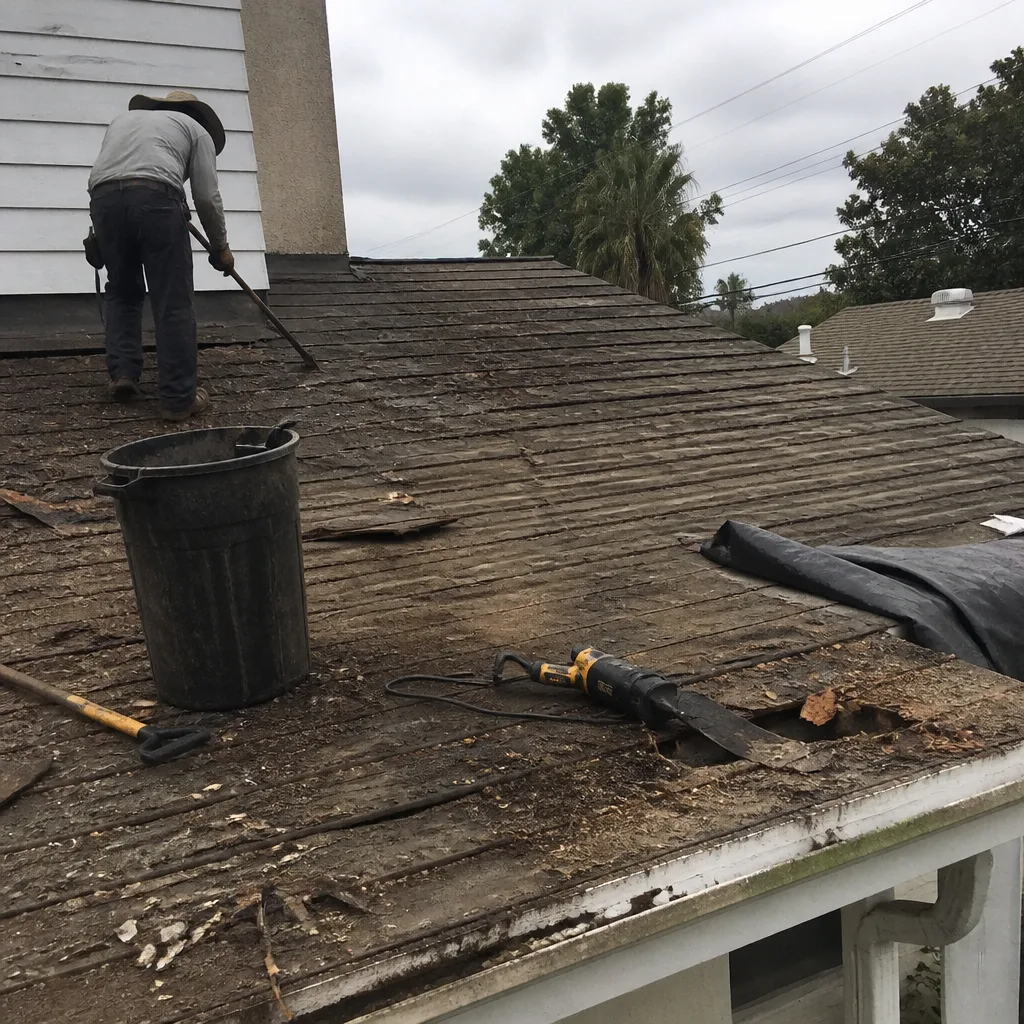 Before
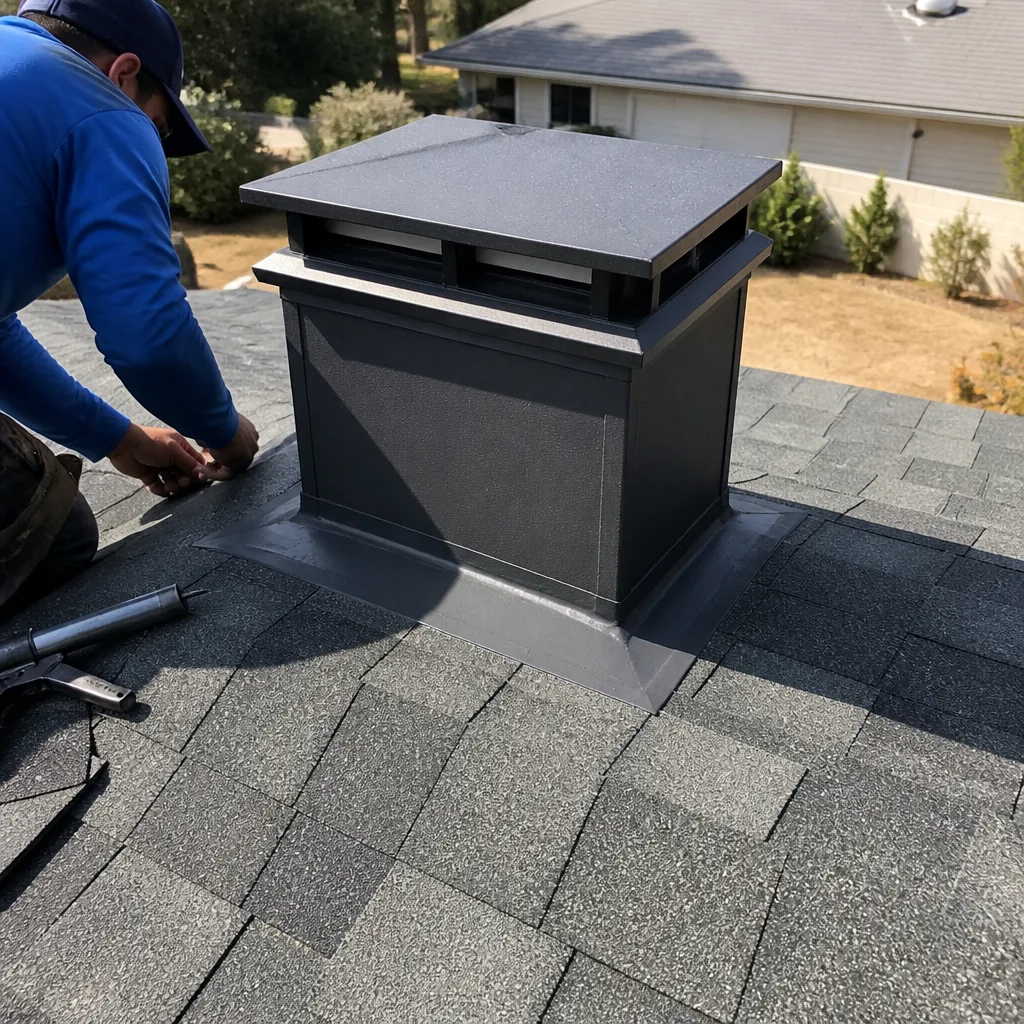 After
After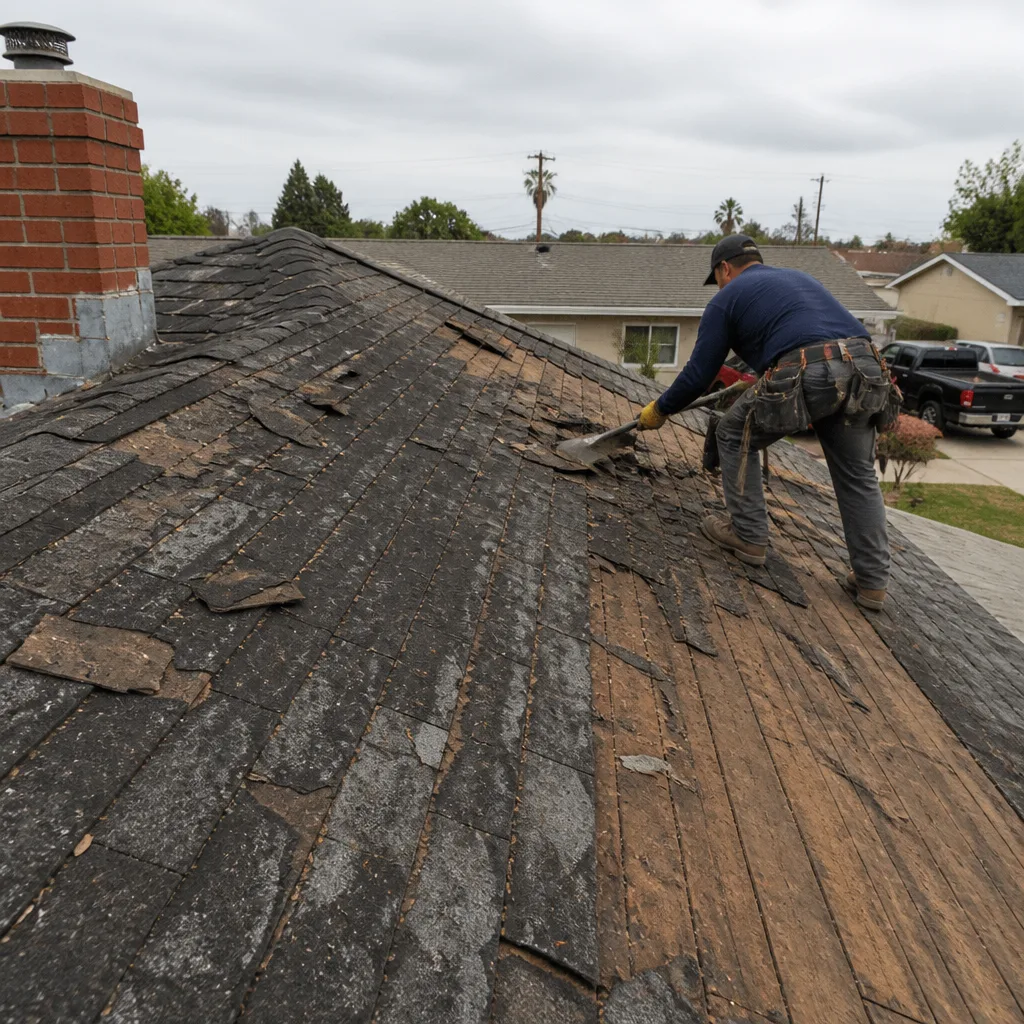 Before
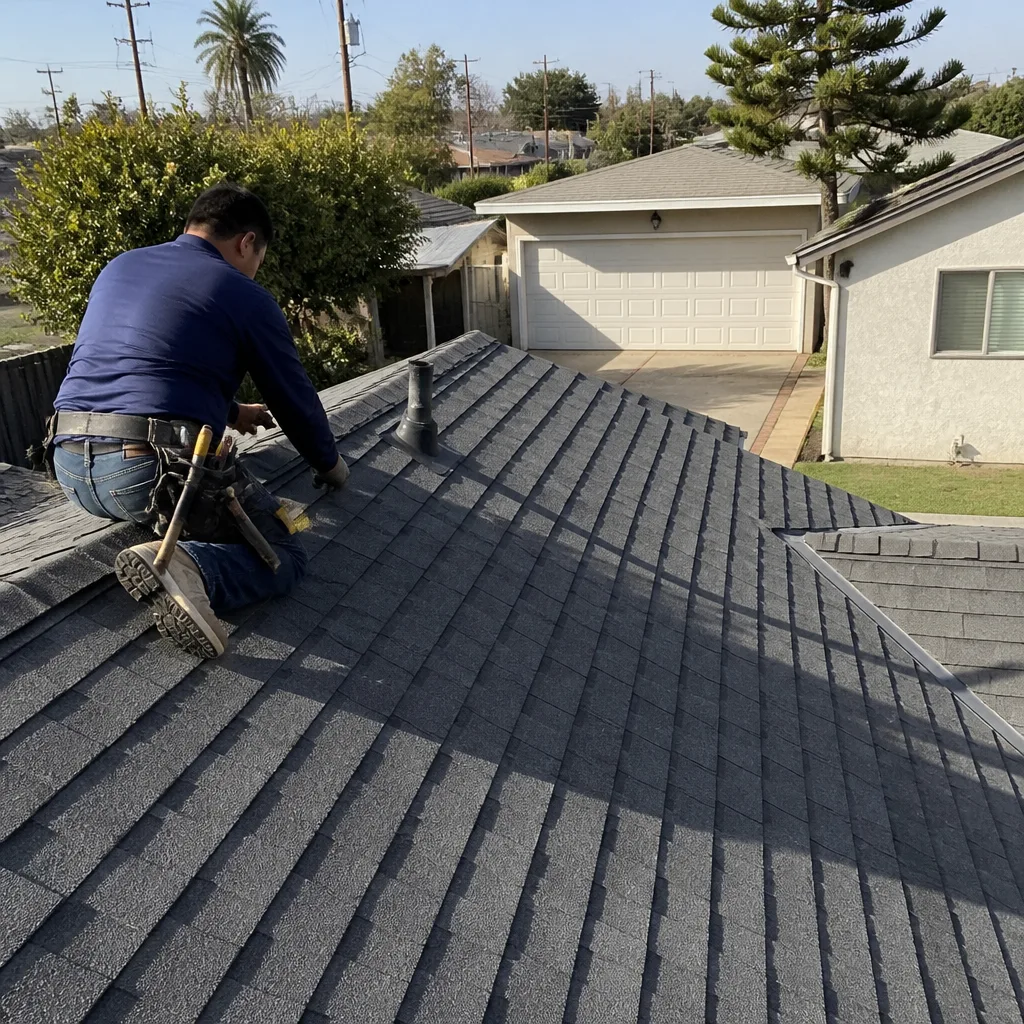 After
After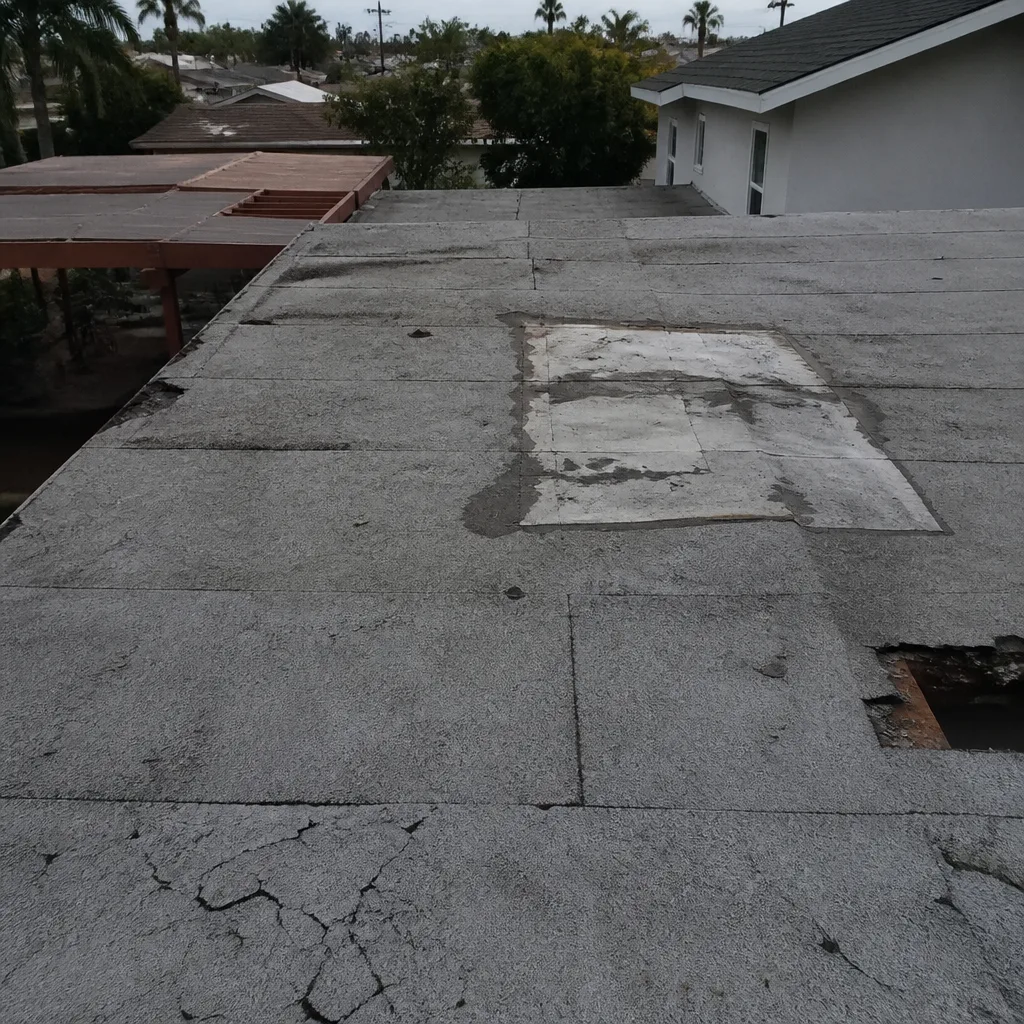 Before
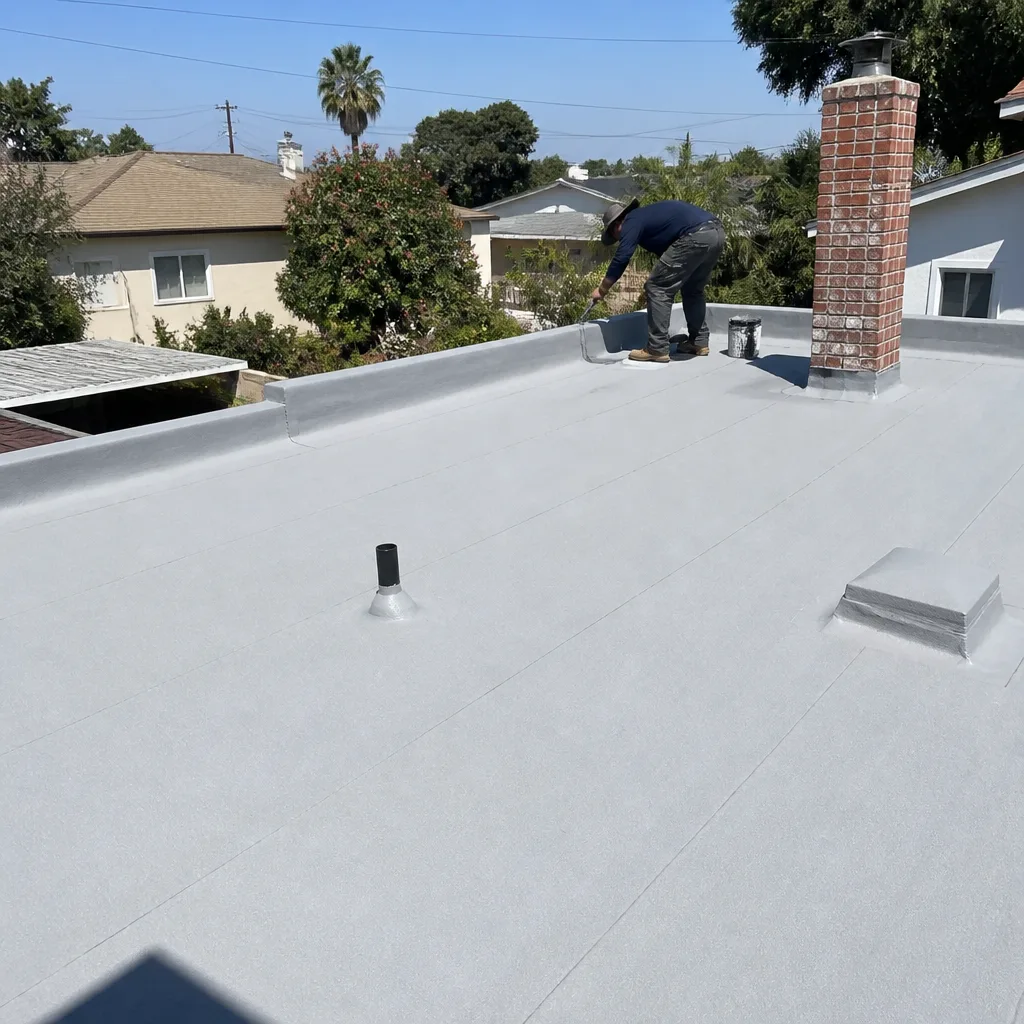 After
AfterFrequently Asked Questions
Twice a year is the right cadence for Long Beach: once in October before the rainy season begins, and once within 24 hours after the first significant storm of the winter. A third check after a major Santa Ana wind event is worth doing, especially if you heard debris hit the roof or saw loose material in the yard. Call (562) 512-7366 if any inspection turns up something you’re not sure about – a professional assessment is free.
For a standard one-story Long Beach home, a professional roof inspection typically costs between $150 and $350, gutter cleaning between $120 and $250, and a moss or algae treatment between $400 and $900 depending on roof size and severity. Minor flashing repairs generally run $400 to $1,400. Every job from Birchbark Roofing Long Beach comes with a written price before any work starts, so you’ll never get a surprise line item.
With Birchbark Roofing Long Beach, no. Our no-hassle upfront pricing means the written price you approve is the price you pay. If we uncover something unexpected during the work, we stop and discuss it with you before doing anything. No change orders without your signed approval. That’s part of what the Cedarwell Care Promise means in practice.
Yes. Roof replacements in Long Beach require city permits, and Birchbark Roofing Long Beach handles the permitting process for every replacement project we complete. Repairs generally don’t require permits, but if any repair crosses the threshold into permitted work, we manage that as well. The permit protects you by ensuring the work is inspected by the city before it’s signed off.
A thorough roof inspection on a single-family home in Long Beach takes 45 minutes to 90 minutes. The inspector examines the roof surface, flashings, penetrations, gutters, and attic space if accessible. You’ll receive the findings the same day, and if repairs are recommended, you’ll get a written quote before any work begins.
The best roofing season in Long Beach is actually the summer and early fall, from May through October. The dry weather allows the crew to work without rain delays, and completing a replacement before November means the new roof is tested by the first winter rain with the installing crew still available if anything needs adjustment. Summer’s marine layer doesn’t interfere with roofing work; it just makes the mornings pleasant for the crew.
The Bottom Line
Long Beach roofing care isn’t about four seasons. It’s about two windows: prepare in October, verify after the first storm. Santa Ana winds stress ridge caps and flashings in the fall. The summer marine layer grows moss on north-facing slopes. The post-rain attic check catches what ground-level inspection misses. And a simple roofing log turns all those observations into a record that protects your investment and guides good decisions. Consistent attention in those two windows prevents most of the leaks Long Beach homeowners experience. For full details, see The Complete Guide to Roofing in Long Beach. If you’d rather have a professional handle any part of this, Birchbark Roofing Long Beach offers free estimates year-round.
Written by Erik Lindgren, Owner at Birchbark Roofing Long Beach, serving Long Beach since 2000.