
Last updated October 17, 2026
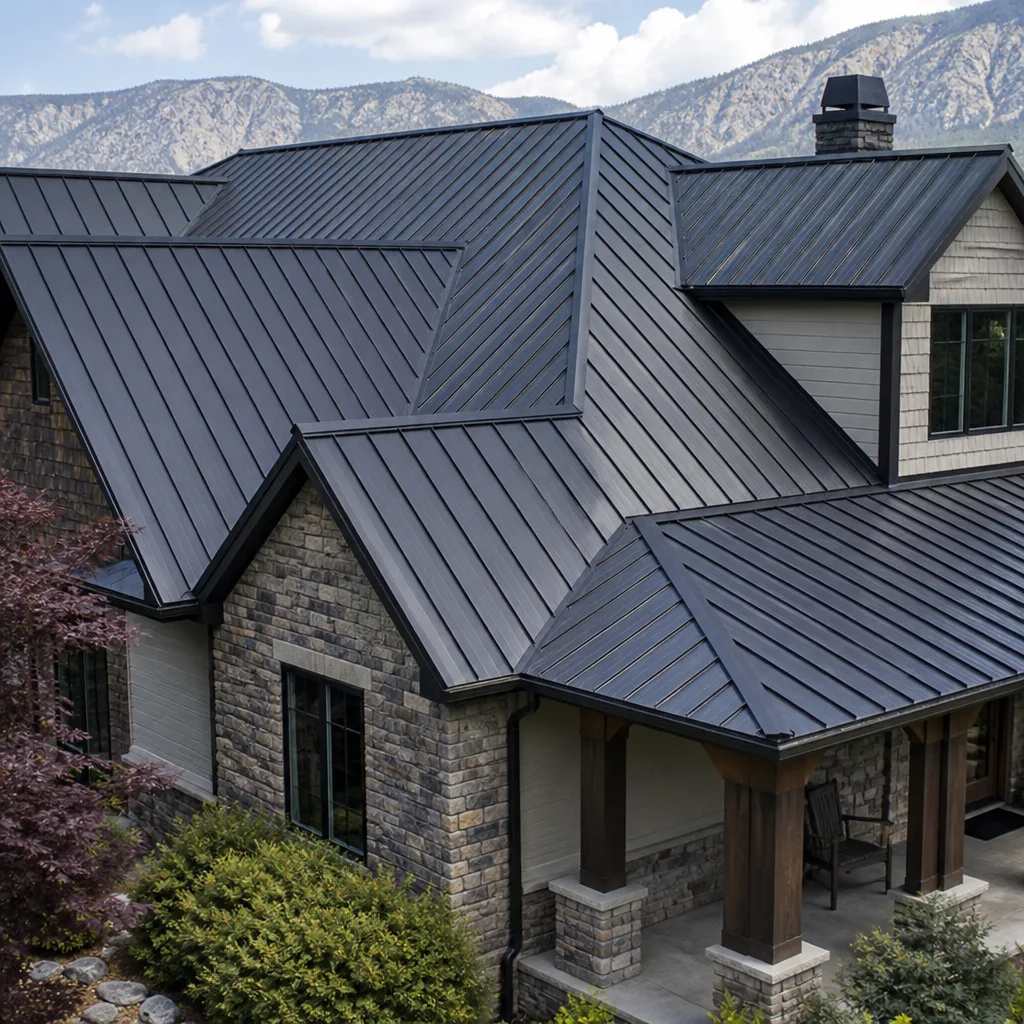 Metal roofing
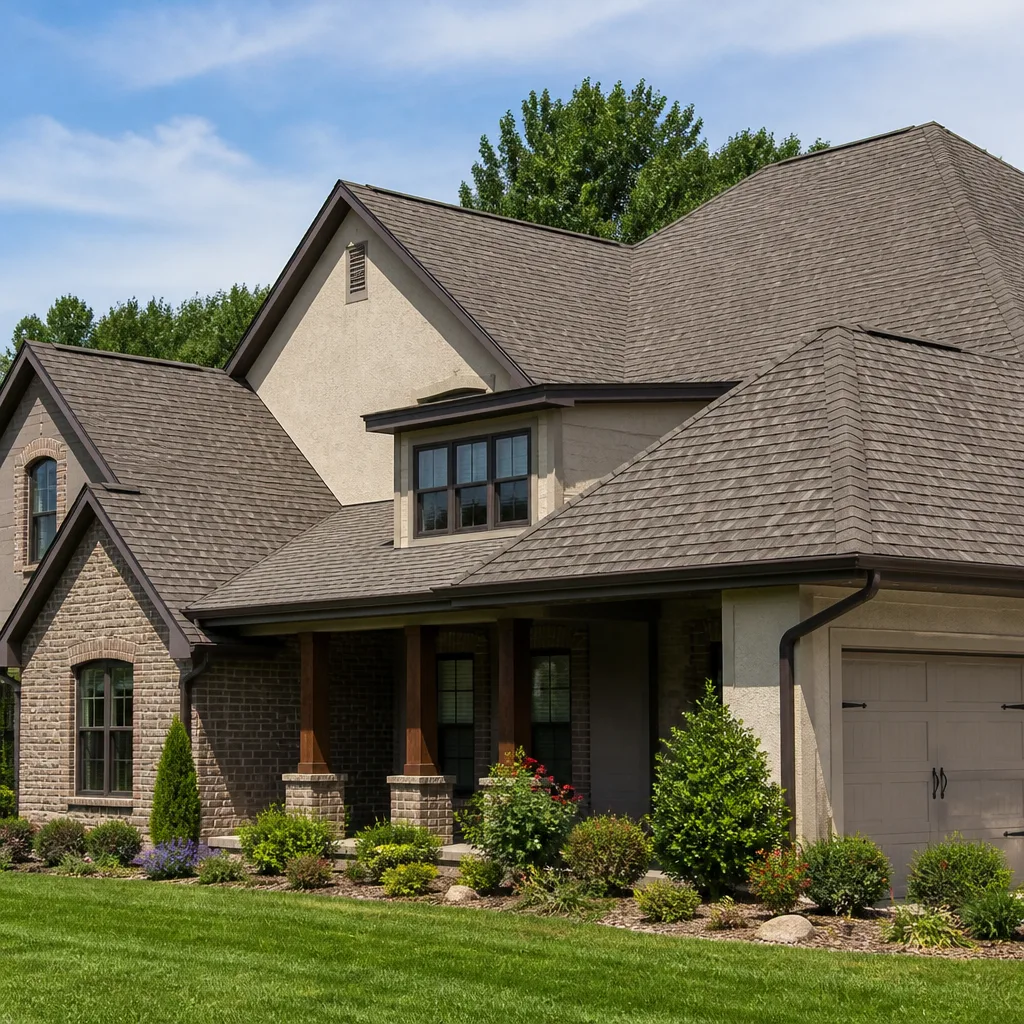 Architectural shingles
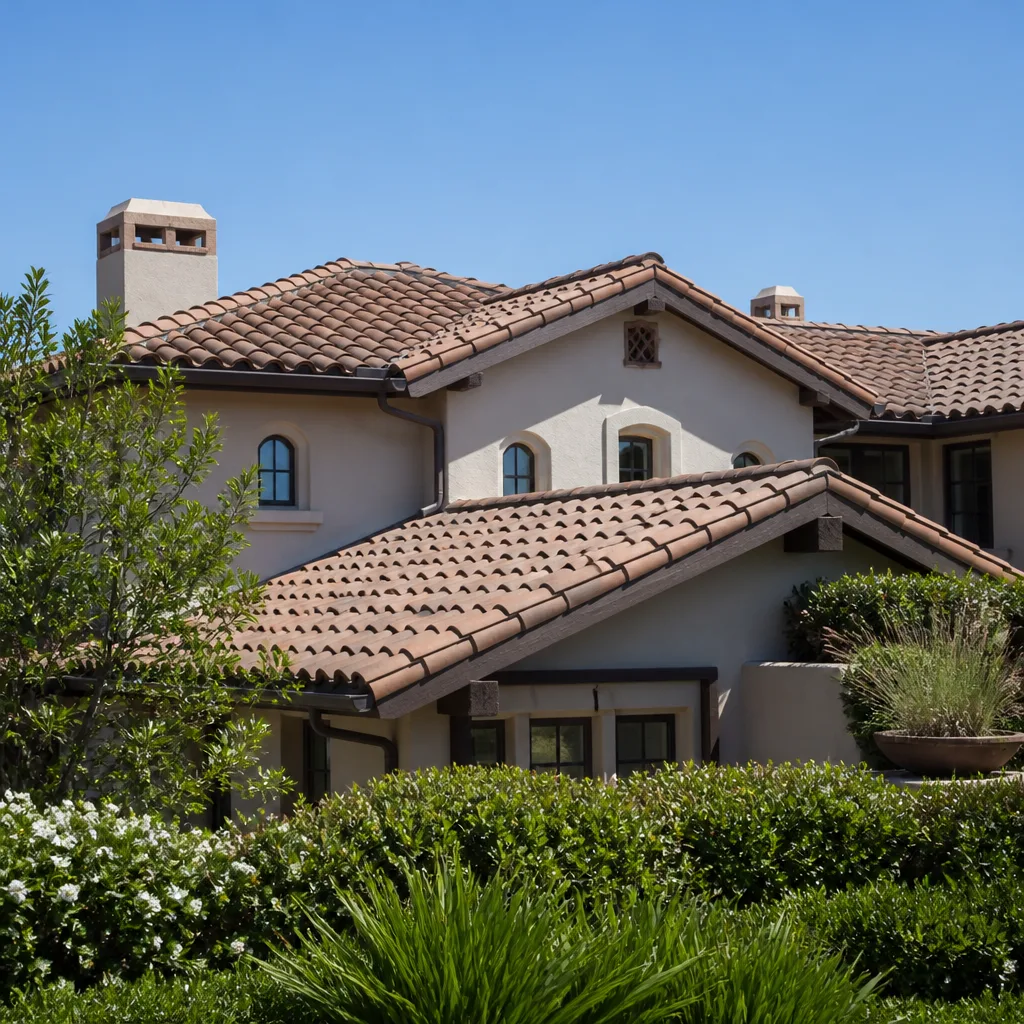 Tile roofing
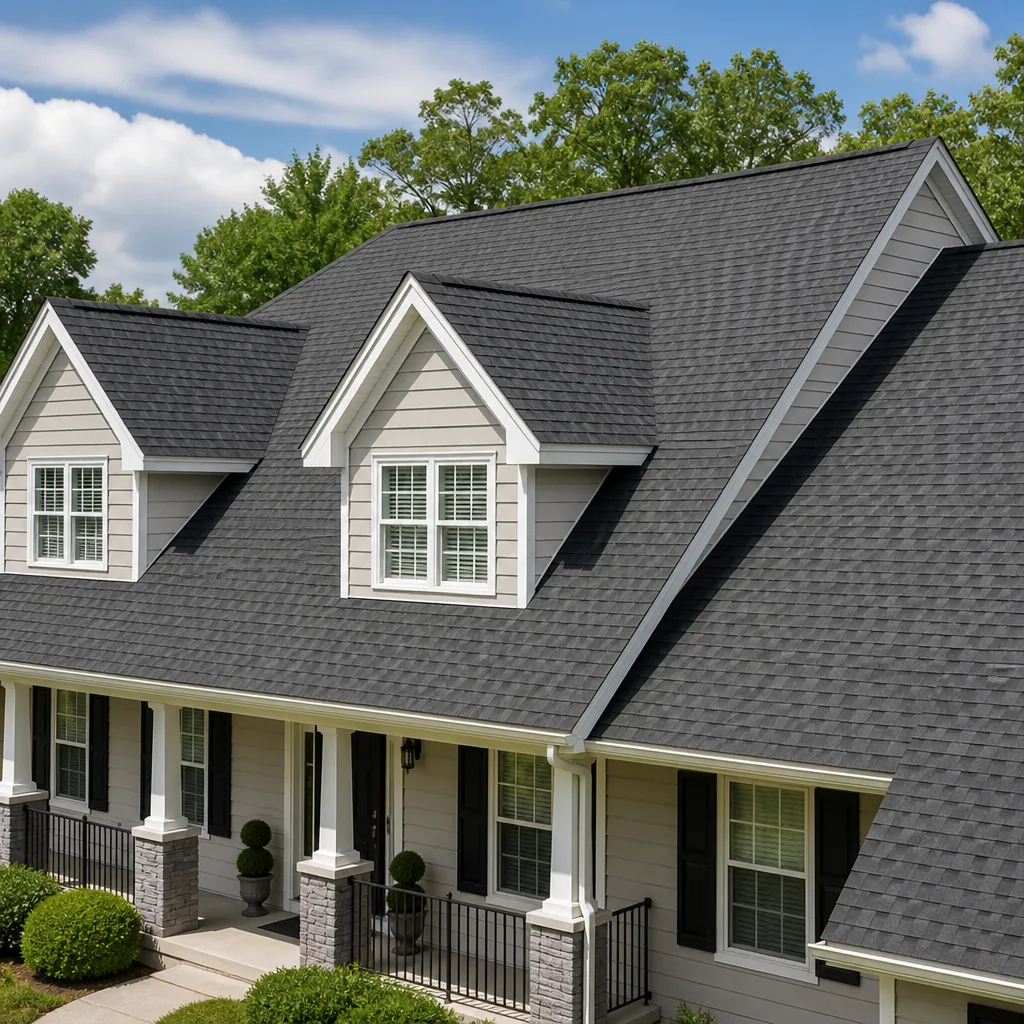 GAF
GAF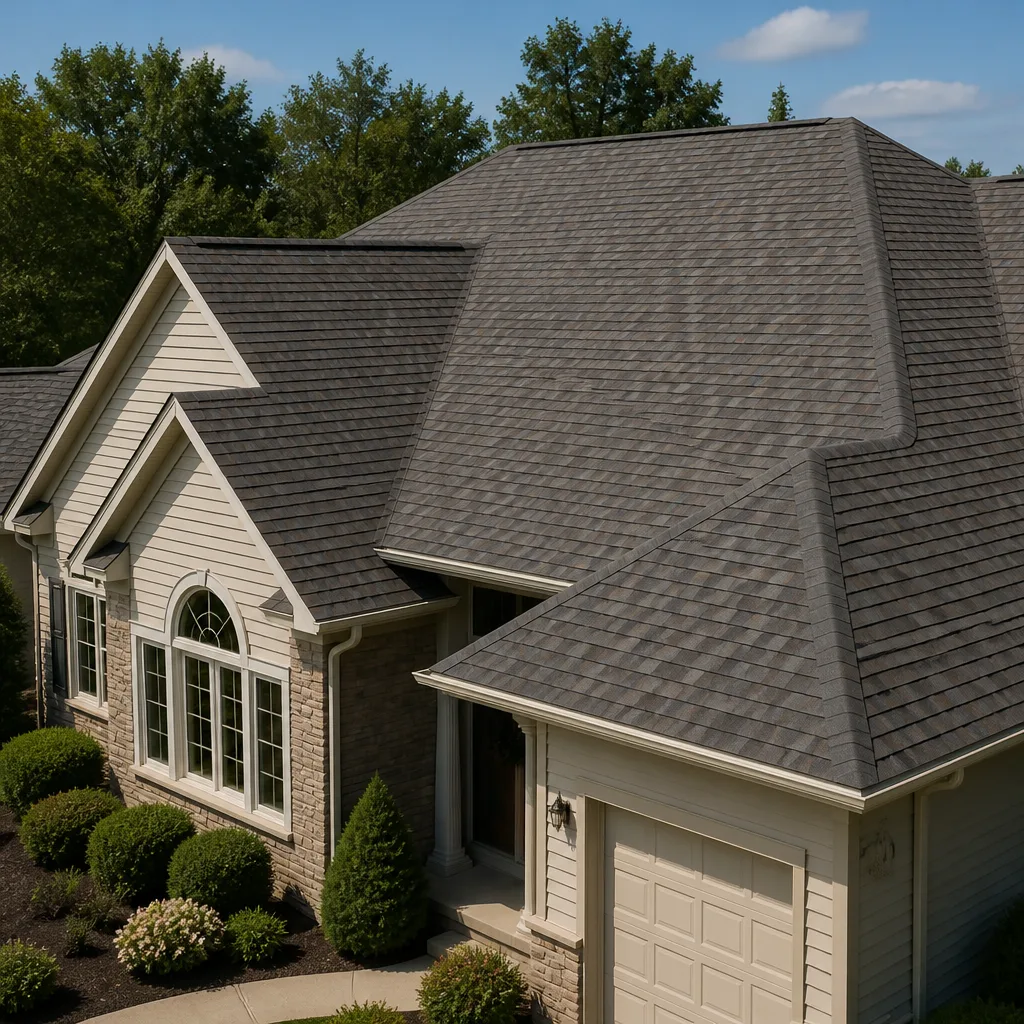 Owens Corning
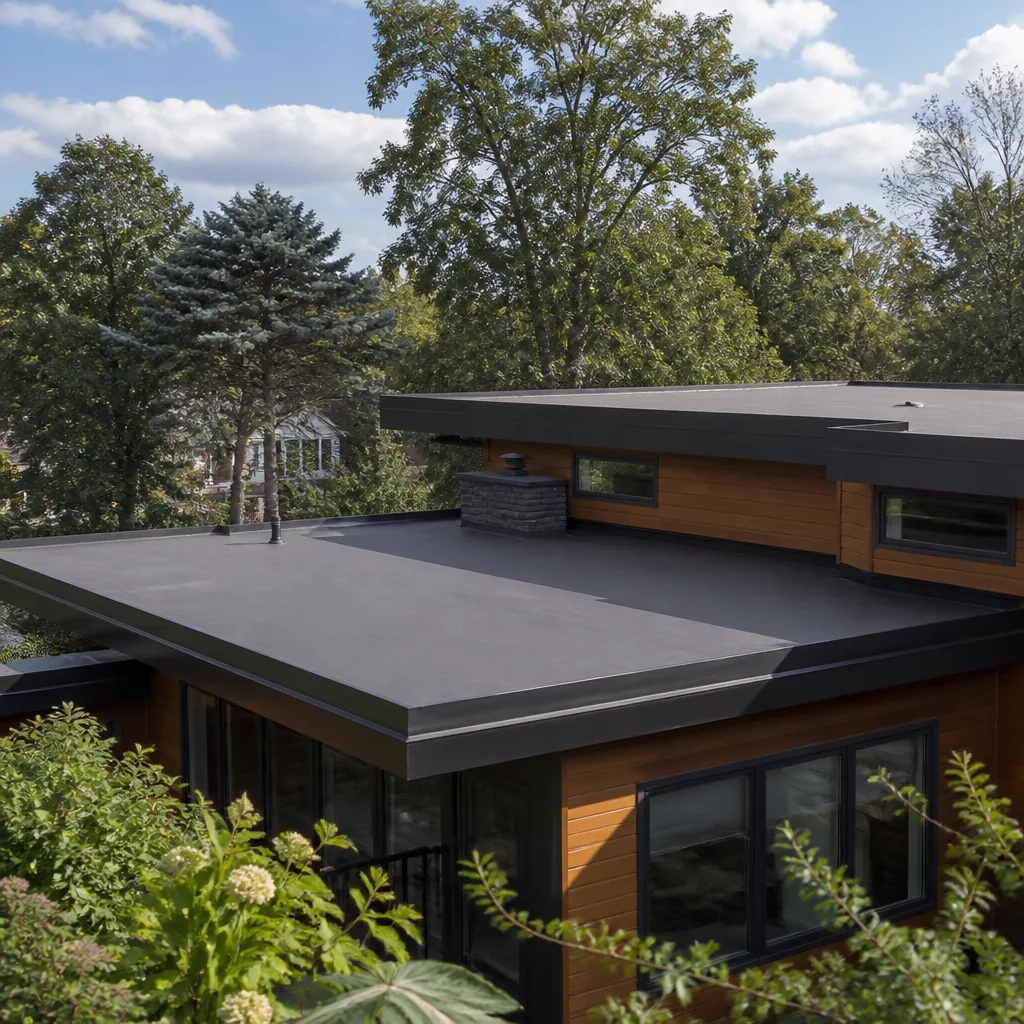 Flat & low-slope
Free roof inspection with deck photos before we talk money - GAF and Owens Corning certified installation
DIY vs Professional Roofing: The Long Beach Homeowner’s Decision Guide
Here’s a fact most DIY roofing articles never mention: in California, a homeowner can legally roof their own primary residence. That’s the easy part. The harder part, and the sentence missing from nearly every blog post, is this: most asphalt shingle manufacturer warranties, including the 25-year and lifetime material defect protections from brands like GAF and CertainTeed, are void unless a certified contractor performs the installation. So the real question isn’t whether you can climb up there. It’s whether the money you save today costs you a warranty claim, an insurance headache, or a full re-roof in five years. This guide, written for Long Beach homeowners dealing with everything from ocean salt air to summer sun damage, draws the line precisely between what’s safe to handle yourself and what belongs in the hands of a licensed roofing contractor. For more on making that choice, see our How to Hire a Roofing Contractor in Long Beach: A Step-by-Step Guide.
Styles & brands we work with
Quick Answer
Most roofing work on a Long Beach home should be handled by a licensed professional, not because DIY is always dangerous, but because manufacturer warranties, homeowners insurance, and California building permits all assume professional installation. The genuinely safe DIY tasks are limited to gutter clearing, visual inspections from the ground, and attic moisture checks. Anything involving shingle removal, underlayment, flashing, or structural repair should go to a licensed contractor, both to protect your warranty and to avoid creating a condition your insurer can use to deny a future claim.
Table of Contents
- The Warranty Reality Most DIY Guides Skip
- What’s Genuinely Safe for a Long Beach Homeowner to DIY
- Where Professional Roofing Is Non-Negotiable
- California Contractor Law and Your Roof: What B&P Code 7048 Actually Says
- The Real Math on DIY Roofing Cost Savings in Long Beach
- How to Describe a Repair So You Get a Scoped Bid, Not a Replacement Pitch
- Long Beach Roofing Conditions That Change the DIY Calculus
- Common Mistakes to Avoid
- When to Call a Professional
- Frequently Asked Questions
- The Bottom Line
The Warranty Reality Most DIY Guides Skip
Here’s the sentence that should open every DIY roofing article ever written: installing your own shingles voids the manufacturer’s warranty. Not sometimes. Not depending on how good a job you do. The major manufacturers, GAF, CertainTeed, Owens Corning, Atlas, Tamko, IKO, and Boral, all write their warranty terms around professional installation. A homeowner who installs Atlas shingles themselves gets zero material defect coverage. The same homeowner hires a certified contractor and gets 25 years or more of protection against manufacturing flaws. That’s the hidden cost hiding inside every “save $8,000 by roofing it yourself” headline.
Why do manufacturers care who installs the product? Because they know that most roof failures aren’t material defects. They’re installation errors. A shingle nailed too high, too low, too deep, or at the wrong angle fails years early. The manufacturer can’t inspect your nailing pattern, so they protect themselves by requiring a trained installer. When you buy shingles at a supply yard and install them yourself, you’re not just doing free labor. You’re signing away the most valuable part of the product you just bought.
There’s a second warranty layer that matters for Long Beach homeowners: workmanship coverage. A contractor’s workmanship warranty, like the 365-Day Done Right Promise that Birchbark Roofing is part of the Roofing Company in Long Beach service standard, covers installation errors regardless of manufacturer warranty. That’s not something you get from your own labor. When you install a roof yourself and a leak appears in month eight, the only person responsible is the one in the mirror.
What’s Genuinely Safe for a Long Beach Homeowner to DIY
We’re not here to tell you that every ladder belongs in the garage. There are specific, clearly bounded tasks that a careful homeowner can handle on a single-story Long Beach home with a low slope. These are the tasks that require no shingle removal, no underlayment work, and no walking on surfaces that could be compromised. Here’s the complete list, and it’s shorter than most DIY guides would have you believe.
1. Gutter Clearing and Downspout Flushing
Clearing leaves from gutters is a grounding-level task that most homeowners can do safely with a sturdy ladder and a helper, someone holding the ladder base. Long Beach’s mature tree canopy means gutters fill with debris fast, especially during the fall leaf drop. But the rule matters more than the task: never work from the roof itself. Work from the ladder, work from the ground with a hose attachment, and never lean out more than arm’s reach. Debris in gutters is an inconvenience. A fall from a roof is a hospital visit.
2. Ground-Level Visual Inspections
Walk the perimeter of your home with binoculars or a smartphone camera on zoom. Look for missing shingles, lifted edges, sagging ridges, and visible flashing gaps. You’re not looking for every problem. You’re looking for changes, anything that looks different from the last time you looked. This is the highest-value DIY task in roofing, because it catches problems before they become leaks. A homeowner in the Los Altos neighborhood who spots a lifted shingle after a Santa Ana wind event can call for a $300 repair instead of discovering the problem six months later as a $3,000 ceiling repair.
3. Attic Checks After Rain
Grab a flashlight and go into the attic within 24 hours after significant rain. Look for dark stains on the underside of the roof deck, wet insulation, and any daylight coming through small gaps. This is the one place where a homeowner can catch a leak before it becomes visible in the living space. The attic tells the truth about your roof health. You don’t need any special equipment, and you don’t need to touch anything. You just need to look.
4. Minor Debris Removal
A single branch on the roof after a windstorm, one you can reach safely from a ladder without climbing onto the roof surface, can be removed. The key phrase is “without climbing onto the roof surface.” The moment you step onto shingles, you’re no longer doing safe DIY. You’re on a work surface with its own risks, potential hidden soft spots, and a slope that changes your footing.
Where Professional Roofing Is Non-Negotiable
Here’s the list most DIY content refuses to write. These are the tasks where doing it yourself doesn’t just risk quality, it voids manufacturer warranties and creates conditions your insurance company can use to deny claims. The line is clear, and it’s drawn by the warranty language you agreed to when you bought the shingles and the policy language in your homeowners insurance.
Any Shingle Removal or Replacement
The moment you lift a shingle, you’ve left DIY territory. Shingle work requires knowing the correct nail placement for the specific product, the correct number of nails per shingle for your wind zone, and the correct overlap pattern. Long Beach sits in a wind zone where improper nailing leads to shingle loss during winter storms. A manufacturer’s warranty specifies all of these details, and a homemade repair invalidates the entire roof’s coverage, not just the area you touched.
Underlayment Work of Any Kind
The underlayment is the waterproof barrier between your shingles and your roof deck. It’s the part of the roof that actually keeps water out; shingles are the UV protection for the underlayment. Cutting into or replacing underlayment requires removing all shingles above the repair area, which is a full section re-installation. This is not a patch job. It’s a surgical procedure, and the patient has weather exposure for the duration.
Flashing Repair or Replacement
Flashing, the metal at chimneys, vents, skylights, and roof-to-wall intersections, is where the majority of roof leaks actually occur. Improperly installed flashing is the single most common reason a roof leaks within three years of installation. This is precision work requiring metal fabrication knowledge, proper sealant selection, and an understanding of how water moves. A homeowner who re-caulks a chimney flashing with the wrong product has created a future leak, not fixed a current one.
Structural Repairs to Decking or Rafters
If your roof deck has rotted sections, or if the rafters show signs of water damage, you’re dealing with a structural issue. This affects the load-bearing capacity of your home. In Long Beach, which sits in a seismic zone, structural roof integrity matters beyond just keeping rain out. This work requires permits, inspections, and a licensed contractor who understands how the roof ties into the building’s lateral load path.
Full Tear-Off and Replacement
A full roof replacement in Long Beach requires a building permit from the City of Long Beach, and that permit requires a licensed contractor. The inspection process verifies that the installation meets current California Building Code, that the deck is sound, and that the drainage is correct. Homeowners who replace their own roof without a permit create a title disclosure problem when they sell, an insurance problem if there’s ever a claim, and a code compliance problem if the city inspects for any reason.
California Contractor Law and Your Roof: What B&P Code 7048 Actually Says
California Business and Professions Code Section 7048 is the law that defines who can do construction work in the state. Here’s what it says, in plain English: a homeowner can legally perform work on their own primary residence without a contractor’s license. The key phrase is “primary residence.” You cannot legally roof a rental property you own, a vacation home, or a house you’re flipping if you’re not licensed. The exemption covers you working on your own home, period.
But here’s what the exemption doesn’t cover. If you hire a handyman to help you, and that handyman isn’t a licensed contractor, you’ve both broken the law. Any person performing roofing work on someone else’s property for compensation of $500 or more, including labor and materials, must hold a California contractor’s license with the C-39 roofing classification. A “helpful neighbor” who charges you $1,000 to help with your roof is not a neighbor helping. That’s unlicensed contracting, and it exposes you to liability if they’re injured on your property.
There’s a third layer to this law that matters for DIY homeowners: insurance. If you’re doing your own roof work and a helper falls from your roof, your homeowners insurance may not cover the injury because the work was being performed outside the scope of standard home maintenance. A licensed contractor carries workers’ compensation insurance that covers injuries on your property. Your DIY project does not. This is one of those details that feels like a formality until the day it isn’t.
The Real Math on DIY Roofing Cost Savings in Long Beach
Let’s do the math that DIY roofing articles never do. A typical single-story Long Beach home with a 1,800 square foot roof might cost between $14,000 and $22,000 for a professional full replacement, depending on shingle grade, tear-off requirements, and underlayment upgrades. A homeowner who buys the same materials at retail might spend $7,000 to $10,000 on shingles, underlayment, nails, and supplies. On paper, that looks like a $7,000 to $12,000 savings. On paper.
Here’s what the paper doesn’t show. A roof installed by a certified contractor carries a manufacturer’s material warranty of 25 years to lifetime. A DIY installation carries no material warranty at all. If a batch of shingles has a manufacturing defect, and this does happen, the professional-installed roof gets replacement materials at no cost. The DIY roof gets a shrug and a receipt. If the homeowner’s installation error causes a leak that damages the ceiling, the repair is all out of pocket. No warranty covers installation errors, and you’ve waived the material warranty by self-installing.
Then there’s the permit issue. The City of Long Beach requires a building permit for roof replacements. The permit fee for a residential re-roof in Long Beach typically runs between $200 and $500, and that’s the same whether you’re a homeowner or a contractor. The difference is that a contractor already has the insurance, the workers’ comp coverage, and the knowledge to pass inspection. A homeowner who fails an inspection, for example, due to improper nailing or insufficient underlayment fastening, must pay for a re-inspection and correct the work on their own time. Most DIY roof replacements that fail inspection end up being corrected by a licensed contractor anyway, at a cost higher than the original professional quote because the contractor must first undo the DIY work.
The real math looks like this: the cost of professional installation includes a warranty, insurance coverage for injuries, a permit, an inspection, and the certainty that the job meets code. The cost of DIY installation includes the risk of zero warranty, personal liability for any helper injury, permit complications, and the real possibility of paying a contractor to fix your work. When you factor all of that in, the “savings” shrinks to a number that feels a lot less like a bargain.
Most residential roof repairs in the smaller scope, things like a few lifted shingles or a section of flashing, run between $250 and $900 in the Long Beach market. You’ll see your exact number in writing from a company like Roof Repair in Long Beach before any work starts, and that number should include the warranty and the labor. That’s the comparison point homeowners should use, not the raw material cost at a supply yard.
How to Describe a Repair So You Get a Scoped Bid, Not a Replacement Pitch
One of the quiet frustrations in roofing is the homeowner who calls for a small repair and gets a quote for a full replacement. Sometimes that’s honest, the roof genuinely is at end-of-life. But sometimes the contractor defaults to replacement because that’s the more profitable job, and the homeowner hasn’t given enough information to justify a scoped repair. Here’s how to describe what you’re seeing so a contractor can bid the repair fairly.
- Note the exact location. “The shingles that lifted are on the south slope, about three feet up from the gutter line, near the second bedroom window.” That’s a scoped description. “Some shingles are messed up on the back” is not. Knowing the slope and the elevation helps the contractor assess whether a repair requires a harness or can be done from an extension ladder.
- Describe the symptom, not your diagnosis. Say “I see a brown stain on the ceiling in the hallway” rather than “the roof is leaking.” A brown stain could be a roof leak, a condensation issue, or a plumbing problem. Describing what you see, not what you think it means, gives the contractor clean data.
- Mention when you first noticed it. “The stain appeared after the rain in January and hasn’t grown since” tells a very different story than “the stain has doubled in size in the last two weeks.” The first suggests a one-time water entry. The second suggests an active leak. Timing information helps a contractor know whether they’re looking for a fresh entry point or a chronic failure.
- State the roof’s age if you know it. “The roof is about 14 years old” is critical information. A repair on a 14-year-old roof with quality shingles is often genuinely sufficient. A repair on a 28-year-old roof is usually a temporary measure. Knowing the age lets the contractor give you an honest answer about whether repair makes sense or replacement is the responsible recommendation.
- Ask for the repair scope, not the replacement scope. Say “Can you quote me for repairing the lifted shingles and the flashing in that area?” That sentence tells the contractor you understand your roof may only need a targeted fix, and you’re asking for that specific quote. If the contractor insists on replacement anyway, ask them to explain what they’re seeing that makes repair unwise. A good contractor will have a specific answer. A sales-oriented contractor will have a vague one.
Long Beach Roofing Conditions That Change the DIY Calculus
Long Beach roofing is not the same as roofing in Pasadena or Irvine or anywhere else in Los Angeles County. The specific conditions of this city change what your roof endures and what a DIY fix must withstand. Here’s what we see, year after year, on roofs across Long Beach neighborhoods from Belmont Shore to Bixby Knolls.
Salt Air and Metal Corrosion
Homes within a few miles of the ocean, which is most of Long Beach south of the 405, get constant salt air exposure. Salt accelerates corrosion on flashing, fasteners, and any exposed metal. A DIY repair that uses the wrong metal, say, galvanized steel instead of a corrosion-resistant alloy, will fail within a few years in the salt environment. This is one of the quiet reasons why some Long Beach roof repairs don’t last: not bad workmanship, but the wrong material for the microclimate. Professional roofers in Long Beach know to specify corrosion-resistant flashing for coastal exposure. Homeowners reading a generic DIY guide do not. For a complete look at what pros check, see our Roofing Company Maintenance Checklist for Long Beach Homeowners.
Santa Ana Wind Events
Santa Ana winds hit Long Beach every fall, typically with gusts between 40 and 60 miles per hour, sometimes higher in exposure zones near the 710 corridor and Signal Hill. These winds test the nailing pattern on every shingle. A shingle nailed with six nails in the correct locations holds. A shingle nailed with four nails in slightly wrong positions lifts. After a Santa Ana event, the difference between a professional installation and a DIY installation shows up in how many shingles are in the yard. Long Beach is a wind-testing ground for roofing work, and the test happens every October.
Sun Exposure and Shingle Aging
Long Beach averages 287 sunny days per year. That sun is relentless on asphalt shingles, breaking down the oils that keep them flexible. A professional installer understands that Long Beach sun means choosing shingles with high UV resistance, like certain product lines from Atlas and Tamko, and ensuring proper attic ventilation to reduce heat buildup. A DIY installer buying whatever’s cheapest at the supply yard may not know that a shingle designed for Seattle weather will age prematurely in Long Beach sun. The warranty on that shingle, already void because of DIY installation, wouldn’t cover the premature aging anyway.
Common Mistakes to Avoid
- Sealing leaks with roof cement or silicone from the top. This is the most common DIY roof repair in Long Beach, and it almost always makes the problem worse. Roof cement applied over a leak traps water behind it, accelerating rot in the decking. The proper fix is almost always to remove the shingle, address the underlying cause, and replace the section. A homeowner who’s spread roof cement has made the eventual professional repair more expensive.
- Nailing through old shingles to “tighten” them. A lifted shingle can’t be fixed by nailing it back down unless you know exactly where the nail should go and what’s underneath. Driving a nail through the visible face of the shingle creates a new water entry point. The nail head is now a leak waiting for the next rain.
- Using the wrong sealant on flashing. Not all sealants are roofing sealants. The silicone caulk from the hardware store that works on a bathtub does not belong on a roof. Roofing sealants are formulated for UV exposure, temperature swings, and compatibility with roofing materials. Using the wrong sealant is a repair that fails within a year and a half in Long Beach sun.
- Walking on the roof during or immediately after rain. Shingles are slippery when wet, and a roof slope that feels fine when dry is dangerous when damp. More DIY roofing injuries happen on wet days than on dry ones. There is no roof repair urgent enough to justify a fall.
- Ignoring the attic after a repair. The only way to know if a repair worked is to check the attic after the next rain. If you or a contractor fixes a leak and you never verify from the attic side, you have no idea whether the problem is solved or just hidden. The attic is the truth-teller.
- Assuming a warranty covers everything. The warranty on a professional roof covers material defects and, for the first year or two, workmanship errors. It does not cover damage from foot traffic, storm damage, or a second contractor’s repair. Understanding what your warranty does and doesn’t cover prevents a nasty surprise later. This is exactly what Birchbark Roofing Long Beach home guidance covers during the estimate conversation.
- Deferring a small repair until it’s a big one. The $250 flashing repair deferred for six months becomes the $2,800 ceiling repair. This is the most expensive mistake in roofing, and it’s the easiest to avoid. Address small issues when you first notice them.
When to Call a Professional
Call a professional when the task involves removing or replacing shingles, touching the underlayment, repairing flashing, addressing structural concerns, or when the roof is more than one story high or has a steep slope. Call a professional when the repair you’re considering would void a manufacturer warranty, when a permit is required, or when the safety of anyone on a ladder or roof is in question. Call a professional when you want the work backed by a written warranty. Roof Replacement in Long Beach through Birchbark includes a written price before any work starts, background-checked uniformed technicians, shoe covers and drop cloths on every visit, and a photo of the completed clean-up before the crew leaves. If you’re unsure whether your project is DIY territory, call and ask. We’ll give you an honest answer, even when the honest answer is that your project is fine to handle yourself. Birchbark Roofing Long Beach offers free estimates in Long Beach, call (562) 512-7366.
Frequently Asked Questions
Yes, a homeowner can legally replace the roof on their own primary residence in California without a contractor’s license under Business and Professions Code Section 7048. However, the work still requires a building permit from the City of Long Beach, and the installation will not carry any manufacturer’s material warranty because self-installation voids the warranty terms of GAF, CertainTeed, Owens Corning, Atlas, Tamko, IKO, Boral, and every major shingle brand. The legal right to do the work does not protect you from the financial consequences of a failed installation. Call (562) 512-7366 if you want to compare the true cost of professional installation before committing to DIY.
Gutter clearing from a ladder, ground-level visual inspections with binoculars, attic moisture checks after rain, and minor debris removal are the four genuinely safe DIY tasks for a single-story Long Beach home with a low slope. Anything that requires walking on the roof surface, removing shingles, or touching flashing is outside safe DIY territory. The line is drawn by what protects your warranty, your insurance, and your body.
The raw material savings on a typical Long Beach roof replacement run between $7,000 and $12,000, but that figure doesn’t account for the lost manufacturer warranty, which would cover material defects for 25 years or more on a professional installation, or the cost of correcting installation errors, or the liability exposure if someone is injured during the DIY project. When these factors are included, the true savings shrink dramatically, and in most cases, the risk-adjusted cost of DIY exceeds the cost of professional installation. For a written quote that includes warranty and labor, call (562) 512-7366.
Homeowners insurance generally covers sudden and accidental damage, not damage caused by faulty workmanship. If a DIY roof repair fails and water damages your ceiling, the insurance company can deny the claim on the grounds that the damage was caused by improper installation rather than a covered peril. If an unlicensed helper is injured on your property during a DIY project, your insurance may deny that claim too. Professional contractors carry workers’ compensation insurance specifically to cover injuries on your property, which is one of the unspoken reasons professional installation carries a premium.
Look at the roof’s age, the condition of the shingles, and the pattern of any issues. A roof under 15 years old with isolated damage, such as a few lifted shingles or one section of flashing, is usually a candidate for repair. A roof over 20 years old with widespread granule loss, curling shingles, or leaks in multiple locations is usually at end-of-life. A professional inspection can confirm which situation you’re in, and Birchbark provides a written price for whichever scope is appropriate. Estimates are always free, and we’ll tell you honestly if a repair is sufficient. Call (562) 512-7366 to schedule.
The City of Long Beach issues re-roofing permits through its Building and Safety Bureau, and the permit requires that the work be performed by a licensed contractor with a C-39 roofing classification, with inspections at the necessary stages. The permit ensures that the installation meets current California Building Code, that the roof deck is sound, and that the drainage systems are functioning correctly. A professional contractor handles the permit application, the inspection scheduling, and the compliance details as part of the project. That’s part of what your professional installation fee pays for.
The Bottom Line
The DIY vs. professional roofing decision in Long Beach isn’t a moral choice; it’s a math problem with a legal asterisk. A homeowner can legally roof their own home. But doing so voids the manufacturer warranty, exposes the homeowner to injury liability, requires permit compliance, and puts a job of real complexity into hands that may not have the training to execute it correctly. The genuinely safe DIY tasks are small, ground-level, and inspection-oriented. Everything else belongs with a licensed contractor who carries insurance, provides a written warranty, and is accountable for the result. Birchbark Roofing Long Beach offers free estimates, written pricing before work starts, and a 365-Day Done Right Promise on every job. Browse more guides & resources to help protect your home. Call (562) 512-7366 to schedule your estimate and get your exact number in writing.
Written by Erik Lindgren, Owner at Birchbark Roofing Long Beach, serving Long Beach since 2000.
See the difference
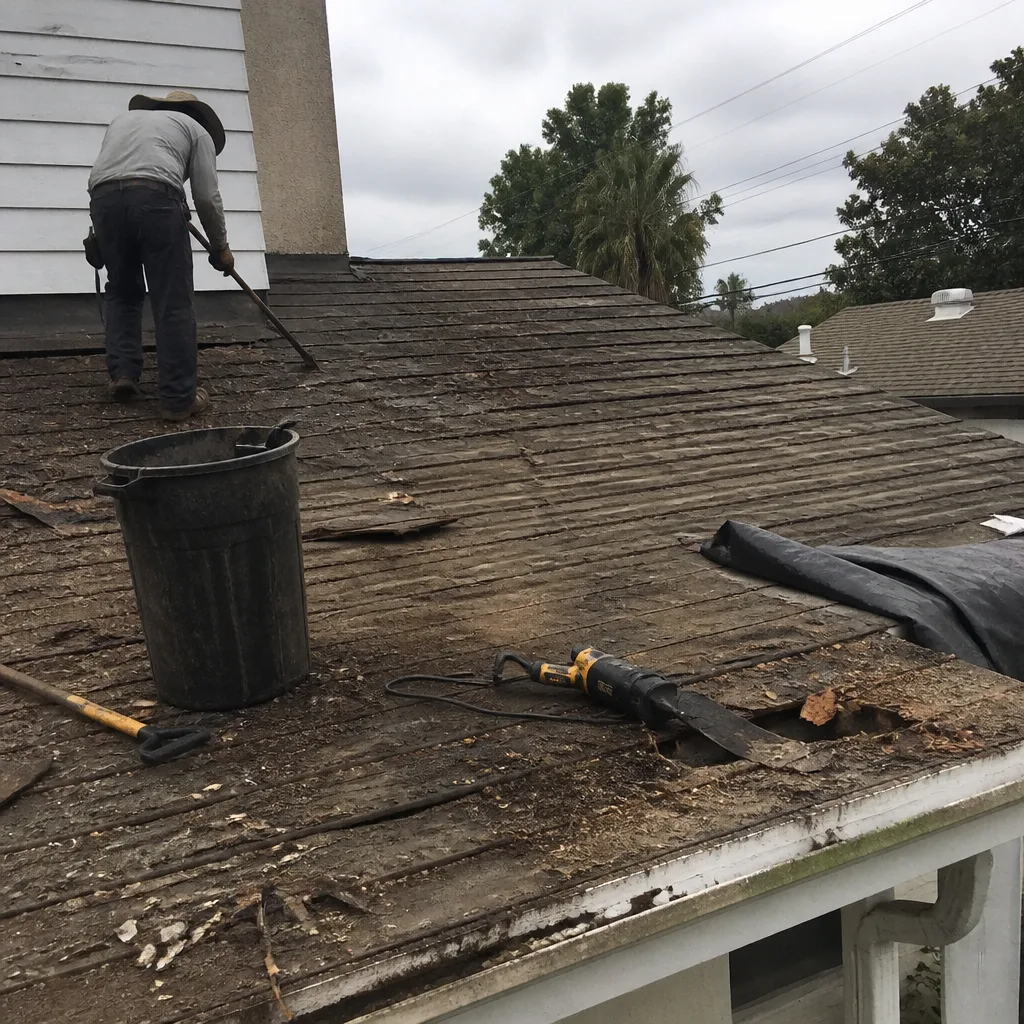 Before
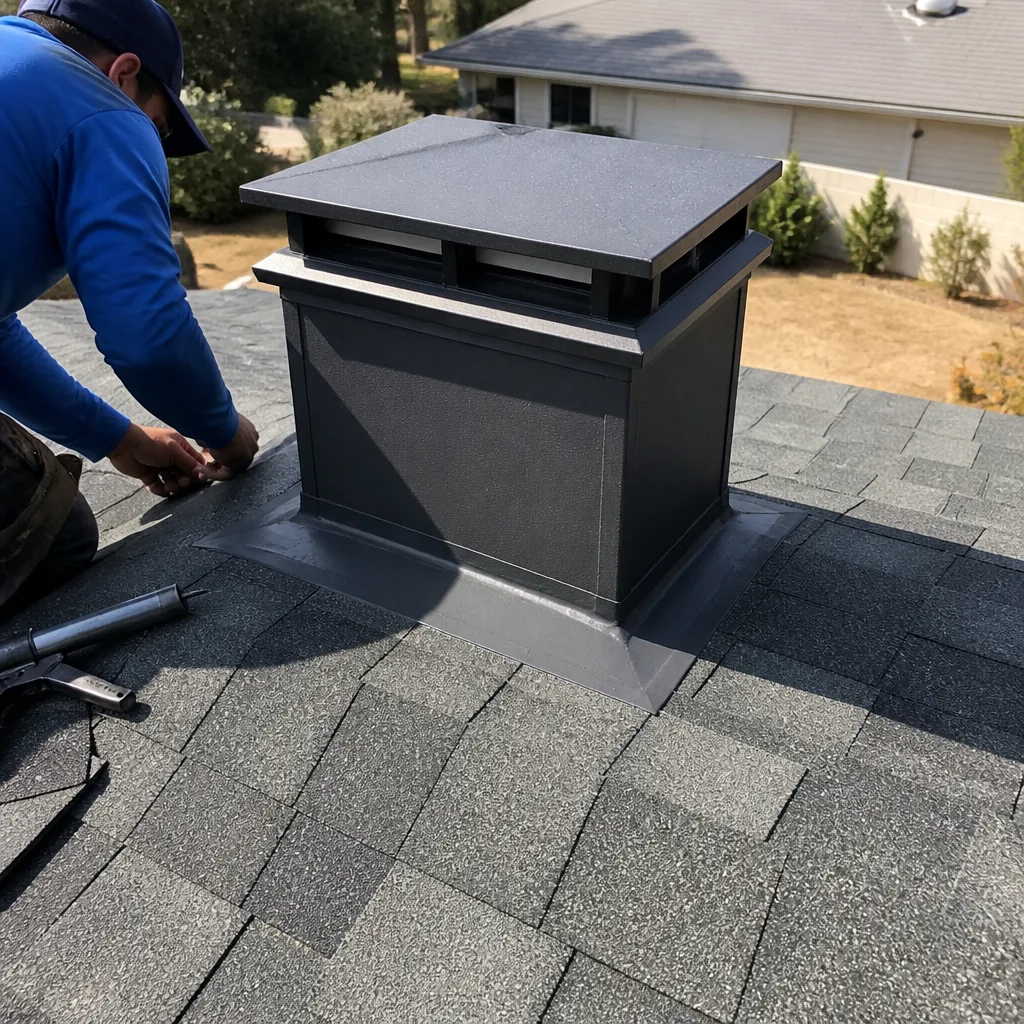 After
After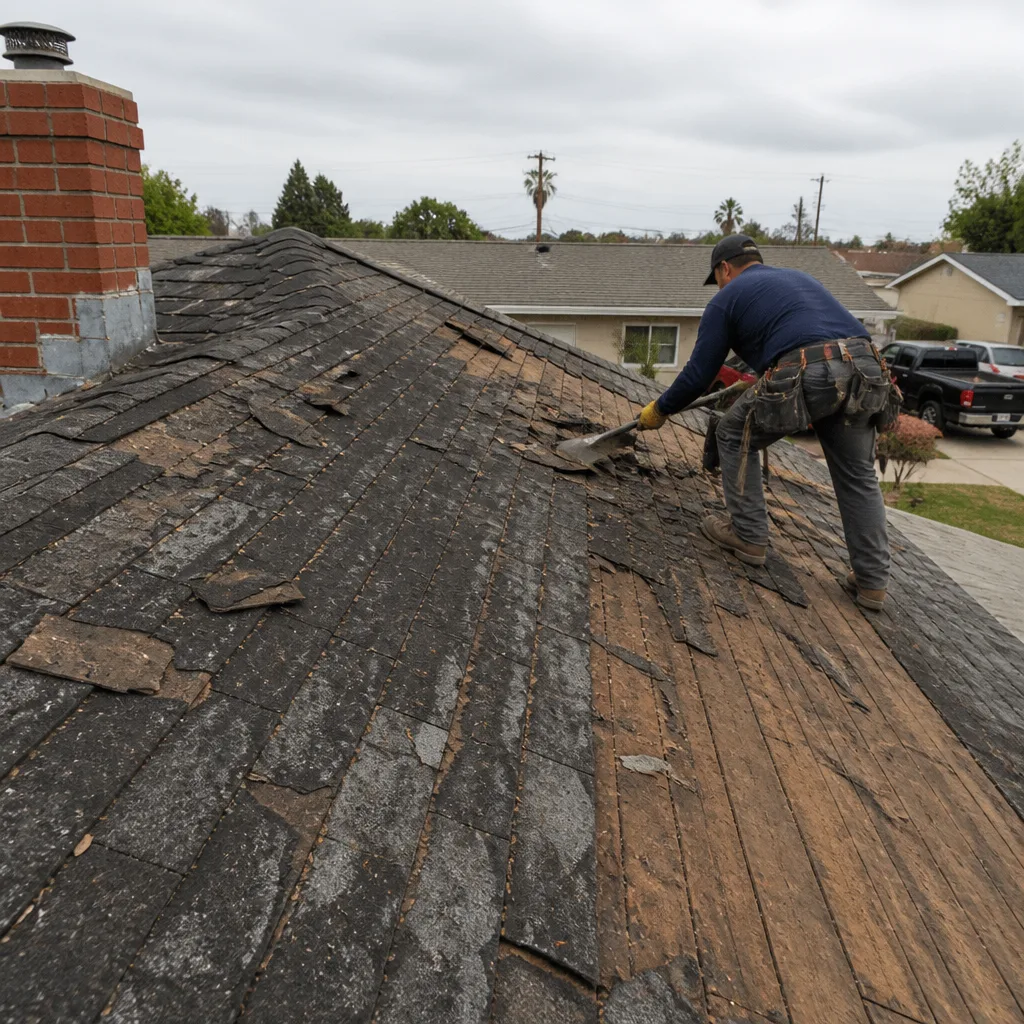 Before
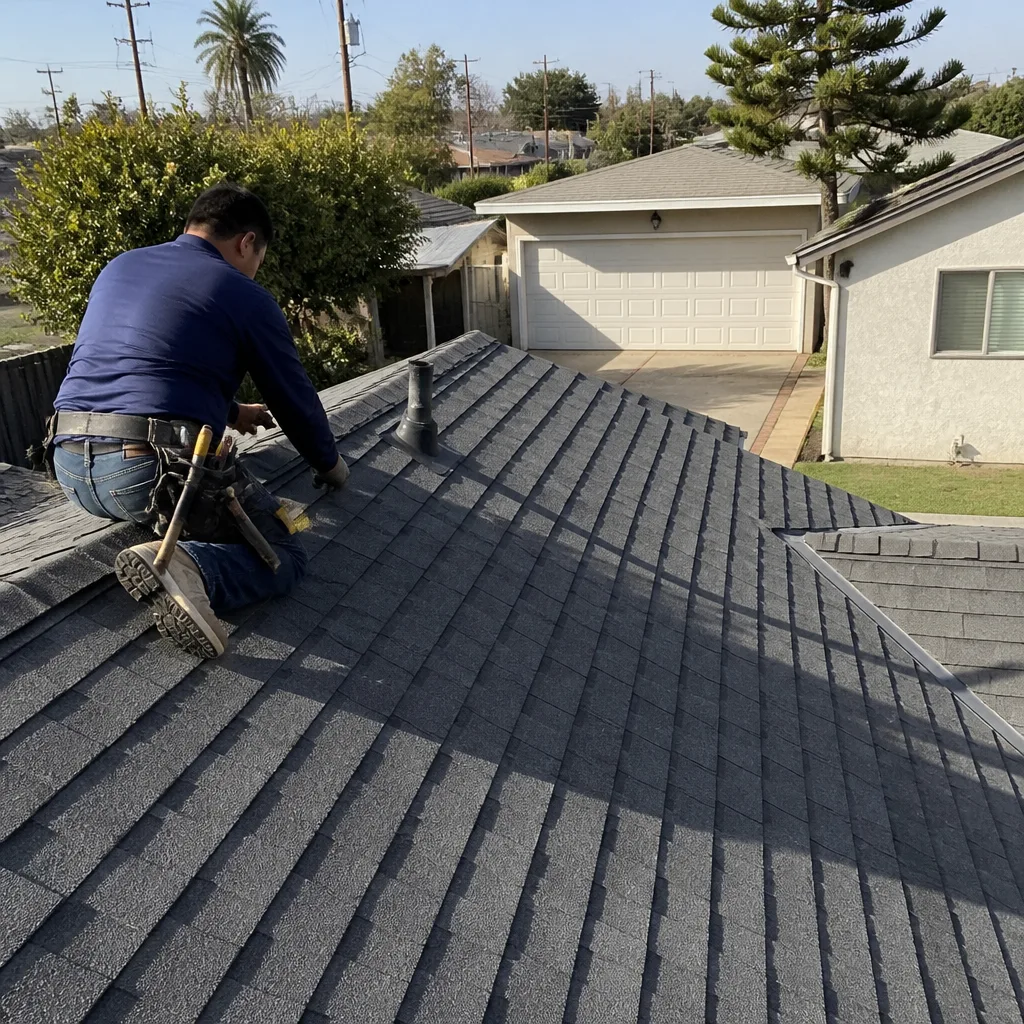 After
After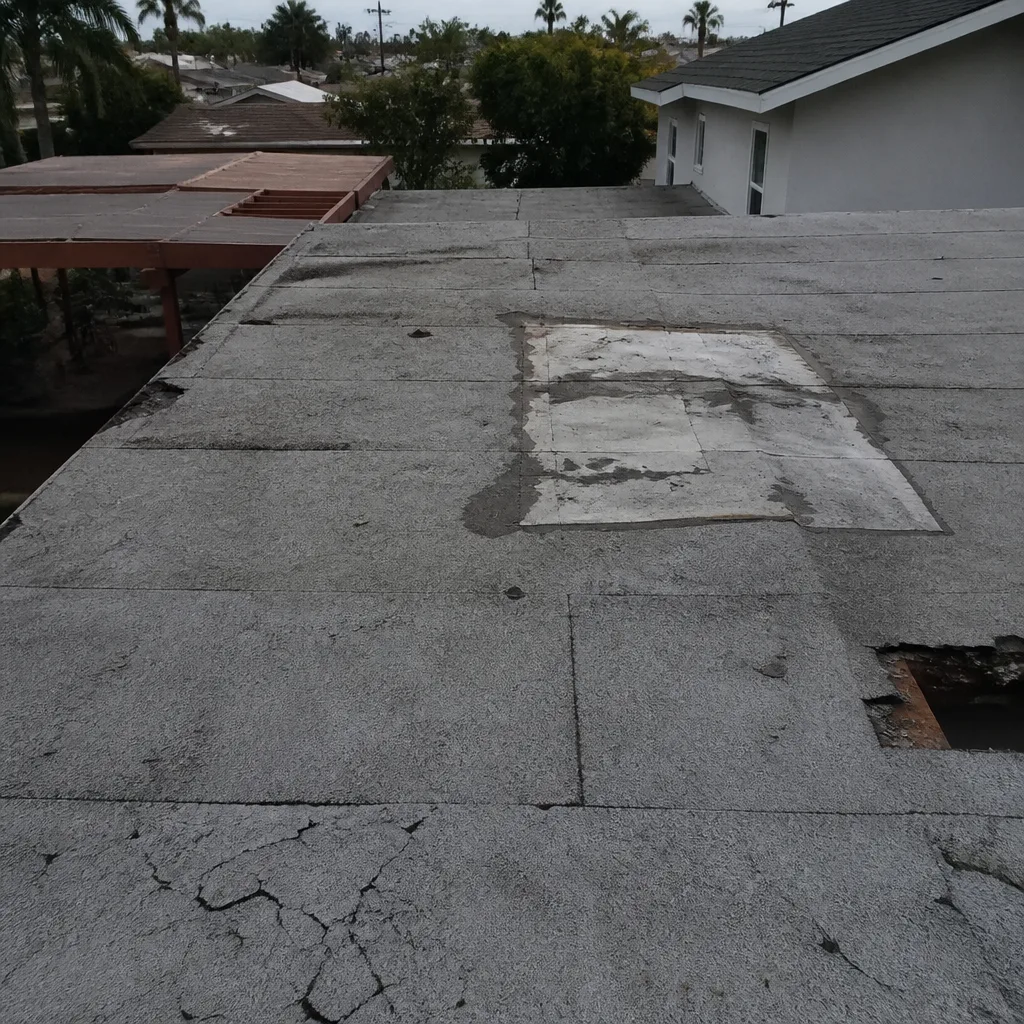 Before
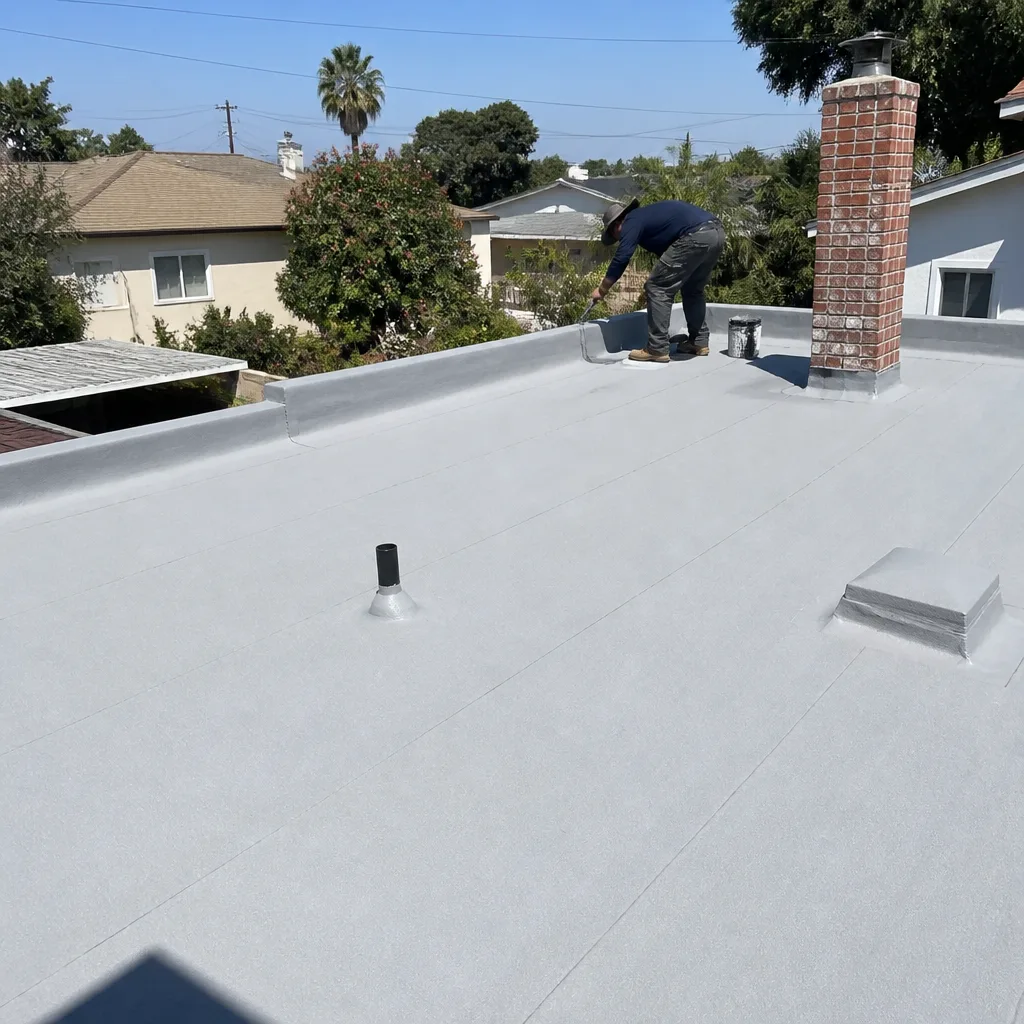 After
After