
Last updated October 17, 2026
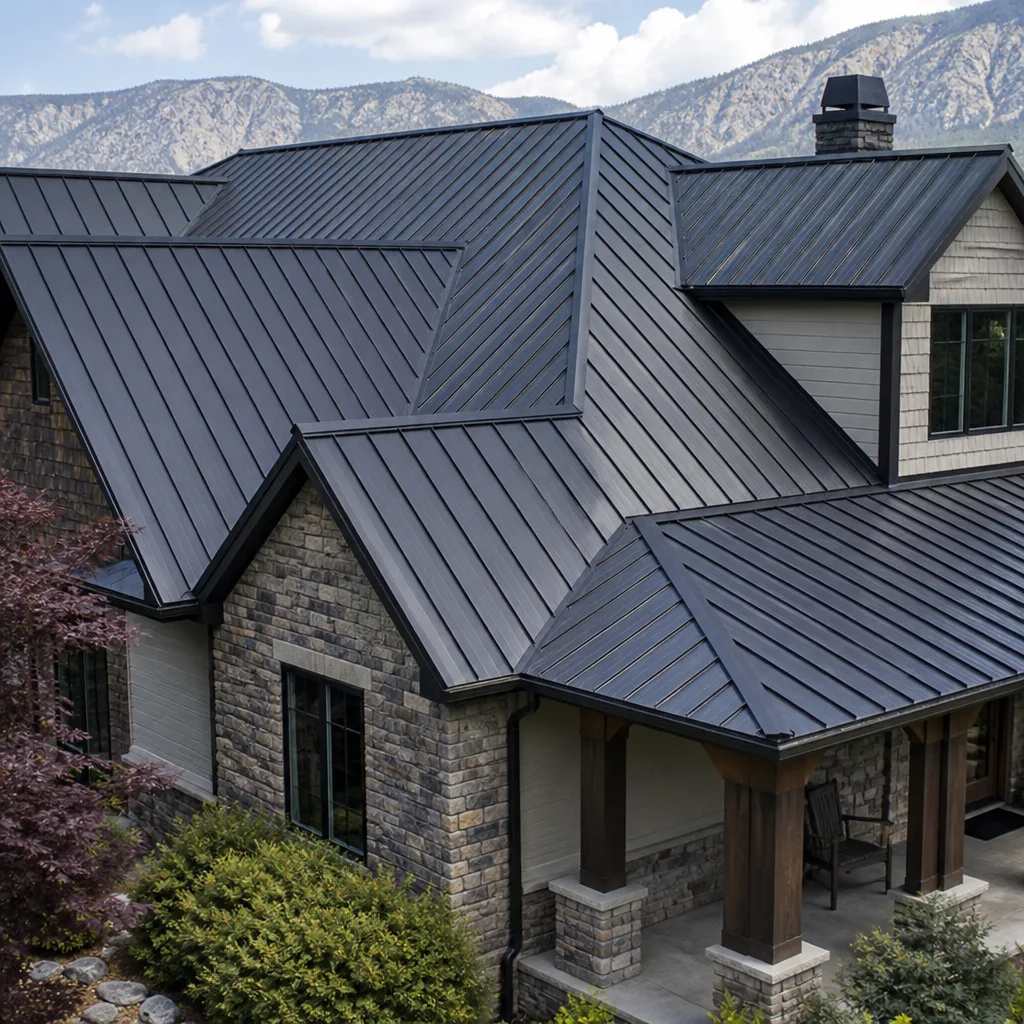 Metal roofing
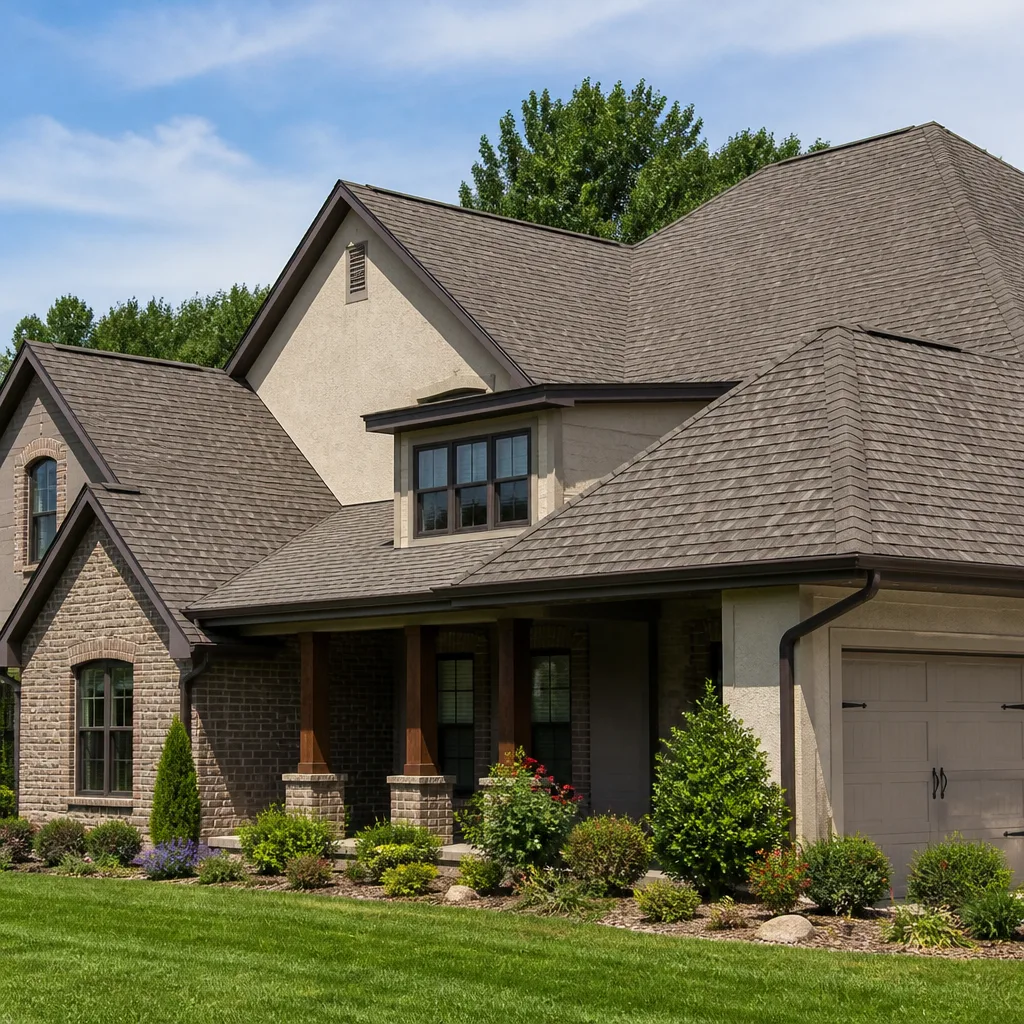 Architectural shingles
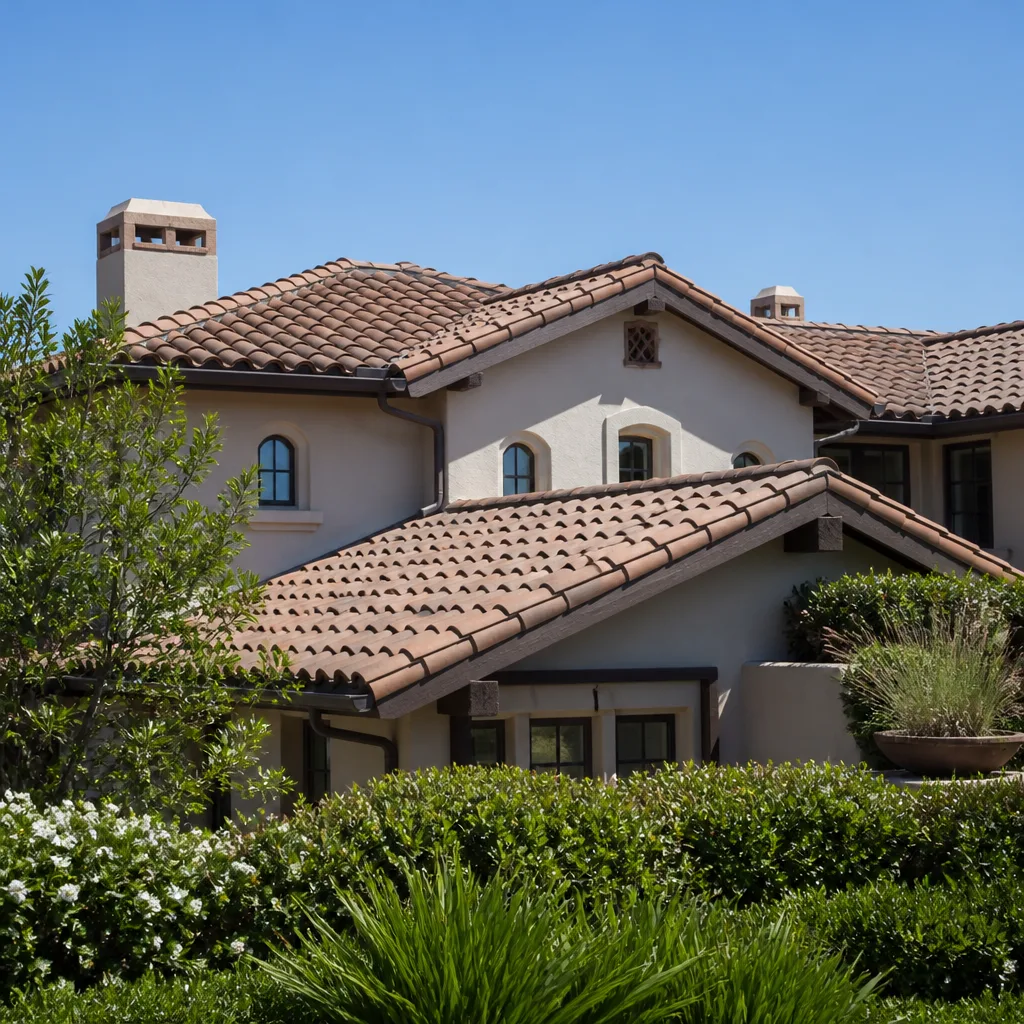 Tile roofing
 GAF
GAF Owens Corning
 Flat & low-slope
Free roof inspection with deck photos before we talk money - GAF and Owens Corning certified installation
Roofing Company Maintenance Checklist for Long Beach Homeowners
A contractor once handed a Long Beach homeowner a 20-point inspection checklist. Every box was checked. Four months later, a slow leak had soaked the attic insulation because “flashing condition: fair” didn’t explain that “fair” meant “will fail by rainy season.” That’s the problem with most maintenance checklists you’ll find online. They tell you to look at things without telling you what you’re actually looking for, why it matters in Long Beach specifically, or what happens if a “minor” issue sits ignored for another six months. This guide fixes that. You’ll learn what to check from the ground, what requires a professional on the roof, how Long Beach’s marine layer and jacaranda debris accelerate specific problems, and how to document your roof so you can track changes year over year without paying for an inspection every time.
Styles & brands we work with
Quick Answer
A roof maintenance checklist for Long Beach homeowners should cover five areas twice a year: shingle and flashing condition, gutter and debris buildup, ventilation, interior ceiling and attic signs, and structural points like fascia and soffits. The most important Long Beach-specific factors are marine layer moisture accelerating rust and moss on north-facing slopes, jacaranda and ficus debris clogging gutters and valleys, and Santa Ana wind uplift loosening shingle edges. Most homeowners can safely handle items 1-7 on the checklist below from the ground; items 8-14 require a professional with roofing safety training from a trusted our Roofing Company services provider.
Table of Contents
- Why Long Beach Roofs Need a Different Checklist
- The Ground-Level Checklist: 7 Things You Can Do Safely
- The Professional Roof-Walk: 7 Items That Require a Trained Roofer
- What ‘Minor’ Really Means: Consequence Timelines for Common Findings
- How to Document Your Roof Condition with Photos
- What a Written Maintenance Report Should Include
- Common Mistakes to Avoid
- When to Call a Professional
- Frequently Asked Questions
- The Bottom Line
Why Long Beach Roofs Need a Different Checklist
A generic roof checklist written for Phoenix or Dallas misses the three conditions that define Long Beach roofing wear. First, the marine layer. From late spring through early fall, Long Beach sits under a nightly blanket of cool, damp air that condenses on roof surfaces. This means north-facing slopes and any area shaded by a neighbor’s second story or a mature ficus stay damp for hours after sunrise. That persistent moisture is why moss and algae appear on Long Beach roofs that would stay dry in Riverside or Orange. It’s also why galvanized flashing and fasteners corrode faster here than the manufacturer’s baseline rating suggests.
Second, the trees. Long Beach neighborhoods from Belmont Heights to Bixby Knolls are thick with jacarandas, ficus, and magnolias. Jacaranda flowers are deceptively small and light; they wash into gutters and decompose into a fine, sticky paste that hardens like mortar. Ficus leaves are broad and waxy, taking months to break down. Both create standing clogs that push water under the shingle edge at the eave line, which is exactly where roof decks start to rot in Long Beach homes built before 1990.
Third, Santa Ana winds. They arrive from October through February, gusting 40-60 mph through the Los Angeles basin. A shingle that has lost its seal strip will lift and crack on the first strong Santa Ana, and a shingle that has lifted becomes a tear-off point for the next gust. In our experience, most storm-related roof leaks in Long Beach aren’t from rain; they’re from wind damage that went unnoticed for months before the rain found it.
These three factors mean your maintenance schedule should not follow a generic “spring and fall” pattern. For Long Beach, the two most useful inspection points are early November, before the Santa Ana and rain season peaks, and late May, after the jacaranda bloom drops and before the marine layer settles in for summer. That timing catches both wind-lifted shingles and gutter-clogging debris at the moments they create the most risk.
If you’re unsure whether your roof has accumulated wind or moisture damage, start with a basic overview of what Roofing Company in Long Beach services typically cover. A professional assessment can tell you whether what you’re seeing is cosmetic or structural, and what it will cost to address before it spreads.
The Ground-Level Checklist: 7 Things You Can Do Safely
You don’t need to climb a ladder to catch most roof problems early. A pair of binoculars, a smartphone camera, and fifteen minutes twice a year will find 80% of the issues that become expensive repairs. Here’s the ground-level checklist we walk Long Beach homeowners through, written so each item explains what you’re seeing and why it matters.
- Shingle edges from the ground. Walk to where you can see the roof plane at the shallowest angle, usually from the sidewalk or a neighbor’s driveway. Look for shingle corners that curl upward or lie flat against the roof but with visible gaps between courses. In Long Beach, curled shingle corners on the south and west exposures are almost always sun and age damage. On the north and east exposures, curling is more often moisture-related. A curled shingle is a shingle that has lost its seal; the next Santa Ana will lift it, and the next rain will find the nail line underneath.
- Gutter and downspout flow. Check gutters from the ground for visible overflow stains on the fascia or siding, which indicate a clog that’s already pushing water where it shouldn’t go. During the jacaranda bloom in May and June, gutters in Long Beach can go from clear to clogged within two weeks. If you see water spilling over the gutter face during a normal rain, the downspout is blocked, not just the gutter run.
- Fascia and soffit staining. Look along the horizontal board where the roof meets the exterior wall. Dark streaks, bubbling paint, or soft-looking wood are signs that water has been running behind the gutter or leaking from a clogged valley. In Long Beach’s damp winter months, stained fascia can go from cosmetic to structurally compromised in one rainy season because the wood never fully dries.
- Roof valleys and flashing from below. Valleys are the V-shaped channels where two roof planes meet. They carry more water than any other part of the roof, which is why valley metal and valley shingle weave are the first things to fail on a Long Beach roof. If you can see the valley from the ground, look for missing granules, exposed metal edges, or debris that has accumulated. A single jacaranda branch sitting in a valley for six months will hold moisture against the shingle and accelerate granule loss directly beneath it.
- Skylight and pipe flashing from the ground. Any roof penetration – skylights, plumbing vent pipes, attic vents, chimney bases – is a leak point waiting for a failure. From the ground, look for dark staining on the roofing material directly below these penetrations. That staining is usually granule loss from water running off the penetration flashing in a concentrated stream, which means the flashing seal is already failing and water is finding its way under the shingle in that exact spot.
- Attic ceiling stains from inside the house. On the top floor of your home, inspect the ceiling for any discoloration, especially in the corners where walls meet ceiling and around ceiling light fixtures. Long Beach attics trap humid marine air; by the time a ceiling stain is visible in the living space, the leak has usually been active inside the attic for weeks or months. Early detection is checking the attic itself, not the ceiling below it.
- Granule accumulation at downspout elbows. Asphalt shingles shed granules throughout their life, but when the shedding accelerates – which happens in the last 5-7 years of a shingle’s service life – the granules wash down the downspout and collect at the bottom elbow. If you see piles of dark, sand-like material at the base of your downspout, the shingles are losing their UV protection layer and have entered the steepest part of their deterioration curve. In Long Beach’s strong summer sun, a shingle without granules can lose its structural integrity within two summers.
These seven checks take about fifteen minutes and require no ladder. If any of them produces a finding you can’t explain, photograph it and compare against the documentation section below. If you’re looking at a roof that’s over fifteen years old and you’re seeing multiple findings, it’s probably time to consider whether Roof Replacement in Long Beach is the more honest investment than another repair cycle. A replacement done once, with a written price and a workmanship guarantee, often costs less than three years of chasing leaks.
The Professional Roof-Walk: 7 Items That Require a Trained Roofer
Some checks cannot be done safely from the ground, and some require trained eyes and hands on the material. We’ll say this clearly: walking on a roof is dangerous, especially on Long Beach roofs where morning marine moisture makes surfaces slick for hours after sunrise. A professional brings fall protection, proper footwear, and experience reading the subtle signs of shingle and flashing failure that are invisible from the ground. Here’s what a Roof Repair in Long Beach professional checks on a roof walk, and what they’re looking for.
- Seal strip integrity on shingle courses. Each asphalt shingle has a heat-activated seal strip that bonds it to the shingle below. Over time, Santa Ana winds flex the shingles and break these seals. A professional checks seal strip integrity by gently lifting shingle edges at strategic points – not just the edges of the roof but mid-field where wind uplift is strongest. Shingles with broken seals are the first to tear off in wind, and the first to leak in heavy rain.
- Flashing condition at every penetration and transition. Flashing is the metal or membrane material that seals the joints where the roof meets something else – a chimney, a wall, a skylight, a valley, a vent pipe. The difference between “flashing condition: fair” and “flashing condition: failing” is everything. A professional checks for rust-through on metal flashing, dried and cracked sealant at the flashing-to-shingle junction, and step flashing that has pulled away from the wall. In Long Beach, chimney flashing on homes built before 1980 is typically galvanized steel, which has a 30-40 year service life in this environment. If your house is from the 1960s and has original flashing, it’s already past its design life even if it looks intact.
- Valley condition and drainage path. A valley must be clear of debris, and the valley liner – whether metal or woven shingle – must be intact. A professional looks for pinholes in metal valleys, missing granules on shingle-woven valleys, and debris that has begun to hold moisture. Valley failures in Long Beach are disproportionately common on roofs with low slopes (under 4:12 pitch), which are regular features in mid-century Long Beach neighborhoods like Los Altos and Lakewood Village.
- Pipe boot and vent flashing condition. Plumbing vent pipe boots are rubber, and rubber degrades under Long Beach’s UV exposure within 8-12 years. A cracked pipe boot leaks directly into the attic space and often goes unnoticed because the leak is slow and evaporates in Long Beach’s dry afternoons before it reaches the ceiling. A professional checks every pipe boot for cracking, brittleness, and separation from the shingle.
- Ridge cap and hip shingle condition. The ridge line takes the full force of wind from every direction and the full force of UV from overhead. Ridge cap shingles crack and lift before field shingles do, and a failed ridge cap lets water run down the inside of the roof decking. A professional checks the ridge and hip lines for cracked, lifted, or missing cap shingles, and verifies that the ridge vent – if present – is still properly flashed.
- Decking condition where accessible. From inside the attic, a professional checks the roof decking for dark staining, soft spots, and fasteners that have rusted or pulled through. Any area of the decking that is visibly dark or water-stained is either a past leak or an active one. In Long Beach attics with minimal ventilation, condensation alone can cause decking staining without a roof leak – a professional can tell the difference.
- Attic ventilation balance. Long Beach’s marine layer means attics stay cool on summer mornings but trap humidity year-round. A professional checks that intake vents (soffit vents) and exhaust vents (ridge or box vents) are both present, unblocked, and balanced. An attic with only exhaust and no intake will pull conditioned air from the living space and create negative pressure that accelerates shingle lift from the underside – a failure mode most homeowners never see because it happens from within.
Every roof walk should produce a written report with photos. If a roofing company’s report is a verbal summary and a handshake, you haven’t received an inspection – you’ve received a sales visit. The report is the deliverable that lets you compare conditions year over year.
What ‘Minor’ Really Means: Consequence Timelines for Common Findings
The biggest failure in roof maintenance isn’t the roof; it’s the language. “Minor granule loss,” “flashing condition: fair,” “some seal strip lifting” – these phrases sound manageable. They’re usually early warnings that will become four-figure repairs within two seasons. Here’s what common findings actually mean in months, specific to Long Beach conditions.
| Finding | What it means | Consequence if ignored 6 months | Consequence if ignored 18 months |
|---|---|---|---|
| Curled shingle corners (1-3 shingles) | Seal strips have failed; wind can lift these shingles | $300-$600 repair, usually 3-5 shingles replaced | $800-$1,500 repair plus possible decking damage if lifted shingles allowed water under adjacent courses |
| Clogged gutters with jacaranda debris | Water is backing up at the eave line | $150-$250 gutter cleaning; no roof damage yet | $800-$2,000 fascia and decking repair; standing water at eave line rots the deck edge in one Long Beach rainy season |
| “Flashing condition: fair” | Flashing has visible rust or sealant cracking but no active leak | Usually still repairable with targeted resealing | Active leak at the flashing point; $700-$1,800 repair plus interior ceiling work |
| Pipe boot rubber cracking | The seal around the vent pipe is failing | $200-$400 boot replacement prevents the leak | Slow leak into attic; $600-$1,200 decking repair plus possible insulation replacement |
| South-facing granule loss (partial) | UV has stripped the protective layer from the shingle surface | Monitor; no immediate action required | Shingles become brittle and crack; repairs become difficult as shingles lose structural integrity |
| Moss or algae on north slope | Marine layer moisture is holding on the roof surface | Professional cleaning $300-$500; no structural damage yet | Moss roots lift shingle edges and trap water; $1,000-$2,500 in shingle replacement and moisture remediation |
| Valley debris accumulation | Water is being forced around or under the valley liner | $150-$300 debris clearing prevents most valley issues | Valley liner failure; $1,200-$3,000 valley rebuild with new flashing |
These numbers are typical ranges for Long Beach’s market. Your exact number should always be in writing before any work starts. If a company won’t give you a written price in dollars before climbing onto the roof, they’re asking you to trust a handshake on a five-figure system. We don’t think that’s how roofing should work in Long Beach or anywhere else. We provide a written price before any work begins, always, and that price doesn’t change once the work starts unless you ask us to change the scope.
How to Document Your Roof Condition with Photos
You don’t need a contractor to tell you whether your roof is changing. You need a camera and a consistent method. Year-over-year photo documentation is the cheapest maintenance tool available to a Long Beach homeowner, and it’s the difference between catching a problem in the $400 range and discovering it in the $4,000 range. Here’s the method we recommend to homeowners across Long Beach.
Step 1: Pick your photo points. Choose 6-8 fixed positions around your property where you can photograph the roof without climbing. Good positions include: from the sidewalk at the front, from the side yard, from a neighbor’s driveway if they’re willing, from an upstairs window looking down at the lower roof plane, from the backyard corner where you can see the largest roof surface. These positions need to be the same every time – that’s what makes comparison possible.
Step 2: Shoot in consistent lighting. Morning light is best for Long Beach because the marine layer has usually burned off by mid-morning but the sun angle is still low enough to show texture. Shoot the north slope in the morning when it’s not in shadow, and the south slope in late afternoon for the same reason. Overcast days are actually ideal for documentation because they eliminate harsh shadows that hide detail.
Step 3: Photograph the details. In addition to the wide shots, take close-ups from the ground using a telephoto lens or smartphone zoom on: shingle edges at the eave line, flashing points at chimneys and skylights, valley channels, and ridge lines. These close shots are where changes show up first.
Step 4: Store with dates. Create a folder on your phone or computer labeled with the address and the month/year. Store the photos by date, not by category, so that when you compare you’re looking at the same positions across time. This is the part most homeowners skip, and it’s the part that makes the documentation useful.
Step 5: Review at each seasonal checkpoint. In early November and late May, open the previous checkpoint’s photos side by side with the new ones. Look for: new shingle curling that wasn’t there before, debris that’s accumulating in the same valley, granule loss that’s spreading on the south slope, and any new staining around penetrations. If something changed, call for a professional roof walk. If nothing changed, you’ve just saved yourself an inspection fee with fifteen minutes of your own work.
One note on the documentation itself: when you hire a roofing company in Long Beach for any repair or replacement, ask for a photo of the completed work and the clean-up. It’s not just about trust. It’s your baseline for the next year’s comparison. We’ve built the practice into every job: shoe covers at the door, drop cloths through the hallway, all debris cleared and photographed before we leave. The photo is yours, and it becomes the starting point for your ongoing documentation.
What a Written Maintenance Report Should Include
If you’ve paid for a professional roof inspection or maintenance visit, the deliverable is a written report. Verbal summaries evaporate. Here’s what a useful written maintenance report contains, and what’s missing if it doesn’t.
A written maintenance report should include:
- Photographs with annotations. Every finding should have a photo attachment with an arrow or circle indicating the exact location. If the report mentions a pipe boot crack, there should be a photo of that specific pipe boot with the crack visible. A report without photos is an opinion, not a finding.
- Finding severity classification. Each item should be classified with plain language: “Immediate action recommended,” “Monitor and recheck in 6 months,” or “No action required.” The classification should be tied to a consequence: “Immediate action recommended because the flashing seal has failed and water is entering the attic during rain events.”
- Consequence timeline. For every finding that isn’t “no action required,” the report should state what happens if no action is taken: “Expected failure within 12-18 months based on seal condition and Long Beach wind exposure.” A report that says “flashing condition: fair” without explaining what “fair” means in months is incomplete.
- Photo baseline for year-over-year comparison. The report should include wide shots of all roof planes from the same angles every visit, so you can compare across years. If the company changes photo positions every visit, the documentation is unusable.
- Pricing for recommended work in writing. If the report recommends repairs, the price for those repairs should be in the report, in dollars, broken down by line item. Not a verbal estimate. Not a range with a promise to firm up later. A written price in dollars.
- What was NOT checked and why. An honest report states the limits of the inspection: “South slope not photographed due to neighbor’s tree canopy; recommend trimming before next visit.” Any inspection that claims to have checked everything from a single vantage point is not an inspection.
What’s missing if the report doesn’t include these items? Mostly, accountability. A roofing company that hands you a vague verbal summary is leaving you without a baseline, without a timeline, and without a price. That’s not a maintenance service. That’s a sales visit disguised as maintenance. In our experience maintaining Long Beach roofs, the companies that provide detailed written reports with photos and dollar figures are the same companies whose workmanship holds up. The documentation and the workmanship come from the same culture of care.
Common Mistakes to Avoid
- Letting jacaranda debris sit in valleys and gutters through the rainy season. Jacaranda flowers decompose into a paste that hardens like concrete; a “minor” valley clog in June becomes a water-diversion failure by January. Schedule gutter and valley clearing in late May or early June, after the bloom drops, not in November when the rain is already arriving.
- Ignoring “fair” flashing on a pre-1980 chimney. Most Long Beach homes built before 1980 have galvanized flashing that has outlived its service life. “Fair” on a 1960s chimney means “will leak within two rainy seasons.” If your chimney flashing is original and your home is over 40 years old, it’s replacement time, not caulk time.
- Treating Santa Ana wind damage as cosmetic. A lifted shingle edge isn’t cosmetic; it’s the starting point for a tear-off. The next strong Santa Ana will lift the full shingle, and the rain that follows will find the exposed nail line. After any wind event over 40 mph, check your roof from the ground for newly lifted or missing shingles.
- Using a pressure washer to clean moss off an asphalt shingle roof. Pressure washers strip granules and void manufacturer warranties. If you have moss or algae on a Long Beach north slope, call a professional who uses manufacturer-approved cleaning methods. The cost of professional cleaning is a fraction of the cost of a warranty void.
- Ignoring the attic because “it’s just storage.” Long Beach attics trap humid marine air, and the first signs of a roof leak almost always appear in the attic decking before they appear on your ceiling. Check the attic decking during your November and May checkpoints. You’re looking for dark staining on the underside of the decking, rusted fasteners, and soft spots.
- Buying the cheapest repair because “it’s just a small leak.” A small leak at a pipe boot or flashing point is a $400 repair if caught early and a $4,000 repair if the decking rots. Cheap repairs often skip the decking inspection entirely, which means the leak is fixed but the rot continues. Always ask whether the repair includes an attic-side decking inspection.
- Trusting a verbal quote on roof work. In Long Beach’s market, a verbal quote is an estimate, not a commitment. Ask for the price in writing, in dollars, before any work starts. If a company won’t provide it, you’re negotiating against yourself. We provide a written price before any work begins, always, and it’s never optional or negotiated away.
When to Call a Professional
Call a professional if you see water staining on any interior ceiling, if you find granule piles at your downspout bases, if you see lifted or missing shingles after a Santa Ana event, or if your roof is over 15 years old and hasn’t had a professional roof walk in the past three years. These are the moments where a small finding becomes a structural problem if left to the next maintenance cycle. Birchbark Roofing Long Beach offers free estimates in Long Beach. Call (562) 512-7366 and we’ll schedule a roof walk, send a background-checked, uniformed technician, and give you a written report with photos and a written price for any work we recommend. No pressure, no verbal estimates, no trust-falls. You’ll know what we found, what it means in months, and what it costs in dollars before you decide anything.
Frequently Asked Questions
Twice a year, in early November and late May. Long Beach’s roof risks are seasonal: Santa Ana winds and rain from October through March create wind-lift and water intrusion risk, while the jacaranda bloom and marine layer from May through September create debris-clogged gutters and moisture-related shingle deterioration. The November check catches wind damage before the rain peaks; the May check catches debris and moisture issues before the summer marine layer settles in.
Call (562) 512-7366 for a free estimate if your inspection turns up anything you can’t identify. We’ll walk the roof and tell you what you’re seeing, in writing, with photos.
We don’t recommend it. Long Beach’s morning marine layer makes roof surfaces slick for hours after sunrise, and asphalt shingle roofs are easy to damage with the wrong footwear. The seven-item ground-level checklist in this guide covers the most important early-warning signs without a ladder. For anything that requires hands on the roof, hire a professional with fall protection and roofing safety training. It’s not about protecting the roof; it’s about protecting you.
Call (562) 512-7366 to schedule a professional roof walk. It’s a free estimate in Long Beach, and you’ll get a written report with photos.
Most roofing companies in Long Beach charge between $150 and $400 for a stand-alone roof inspection, though many offer free estimates when the inspection is part of a repair or replacement assessment. Birchbark Roofing Long Beach offers free estimates, which include a thorough roof walk and a written report with photos. You’ll know what we found and what it costs before you spend anything.
Call (562) 512-7366 to schedule your free estimate. A live person answers, 24 hours a day.
Clogged valleys and gutters from jacaranda and ficus debris. The debris itself isn’t the problem; the problem is that it holds moisture against the shingle surface, accelerates granule loss, and forces water around the valley liner. Long Beach homeowners who clear their gutters in late May avoid the biggest single source of eave-line decking rot we see. It’s a $150-$300 job if done proactively and a $1,500+ job if ignored through the rainy season.
Call (562) 512-7366 for a free estimate if your gutters have been clogged for more than a season. We’ll check for hidden decking damage at the eave line.
It shouldn’t, if the price was written properly. A written price in dollars before the work starts means the company has done its measurement and taken responsibility for the number. At Birchbark Roofing Long Beach, our written price is a commitment. It doesn’t change unless you ask us to expand the scope of work. If a company quotes a verbal range and then revises upward after the tear-off, they didn’t do their job at the estimate stage.
Call (562) 512-7366 and ask for a written price. It’s how we quote every job, and it never changes after we start.
Yes, when permits are required. Long Beach’s building code requires permits for roof replacement and for repairs that involve structural changes, and the permit process ensures the work is inspected and documented. See Roofing Permits, Codes & Inspections in CA: What You Need to Know for details. We handle the permit paperwork as part of the job and stand behind the work with our 365-Day Done Right Promise. If it’s not done right, we make it right. That promise is on every job we perform in Long Beach.
Call (562) 512-7366 to schedule a free estimate and we’ll walk you through the permit requirements for your specific roof.
The Bottom Line
Long Beach roofs face specific risks that generic checklists don’t address: marine layer moisture on north slopes, jacaranda and ficus debris in valleys and gutters, Santa Ana wind lift on shingle edges, and UV stress on south-facing slopes. The maintenance checklist that works here is tied to consequences and timelines, not just boxes to check. Document your roof with photos twice a year, take the ground-level checklist seriously, hire a professional for the roof walk when anything changes, and demand a written report with photos and a written price in dollars before any work starts. A roof that’s maintained this way lasts its full service life. A roof that gets vague verbal summaries and “fair” condition notes becomes a leak with a four-month delay. You now know the difference. Call (562) 512-7366 for a free estimate – a live person answers, day or night.
Written by Erik Lindgren, Owner at Birchbark Roofing Long Beach, serving Long Beach since 2000.
See the difference
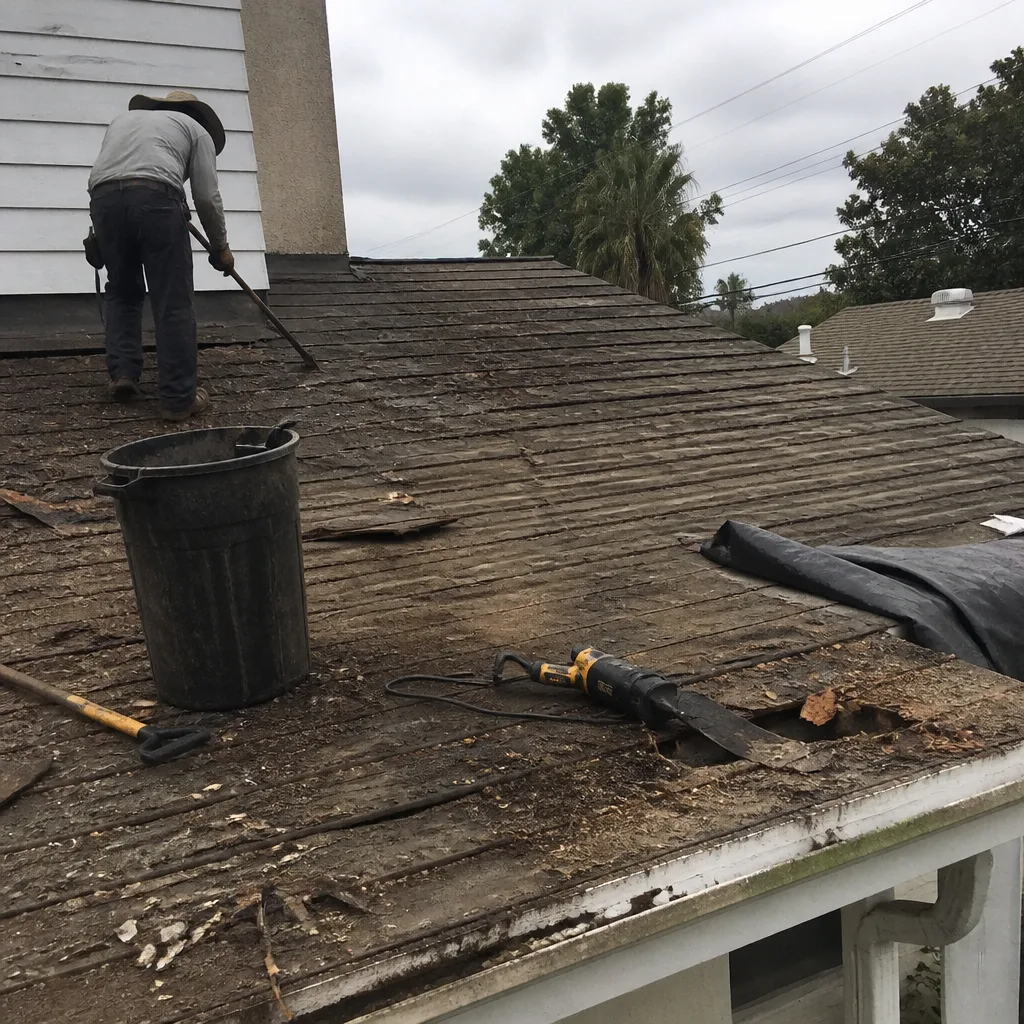 Before
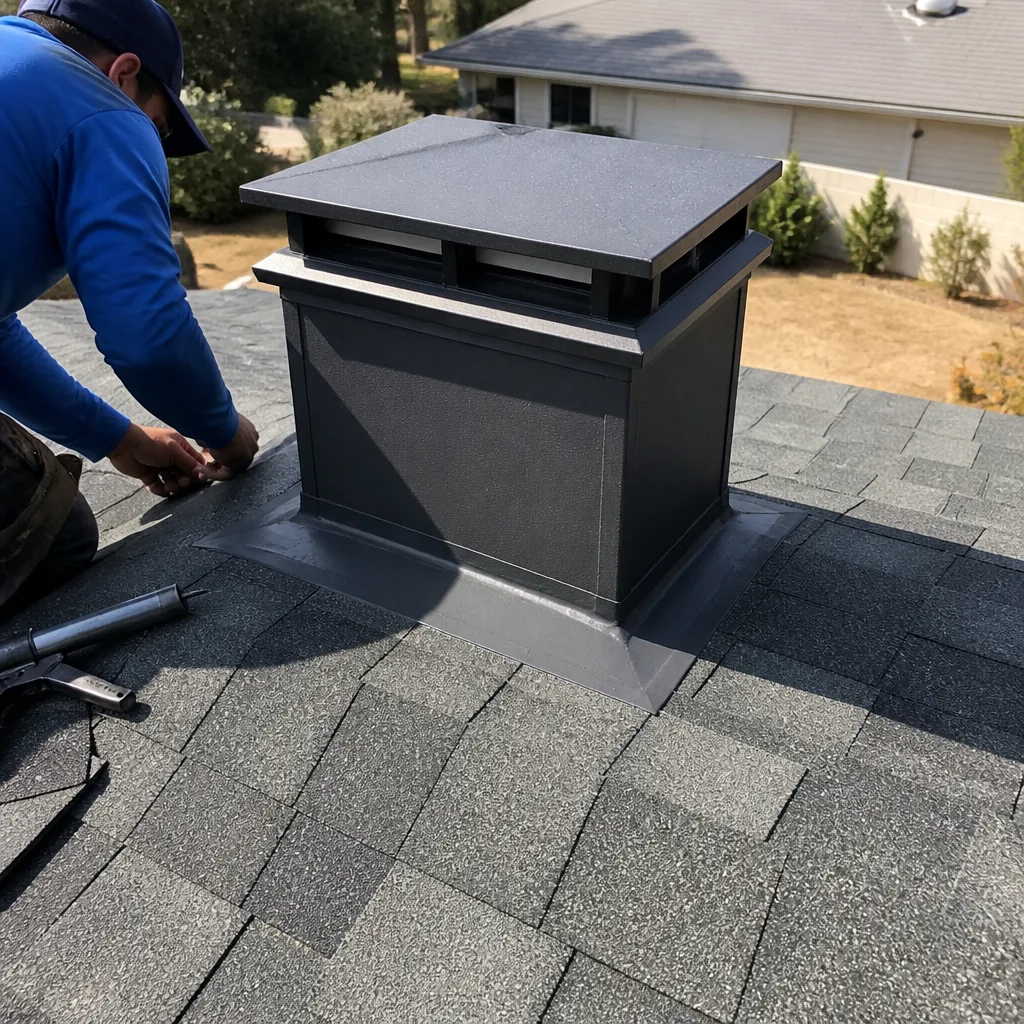 After
After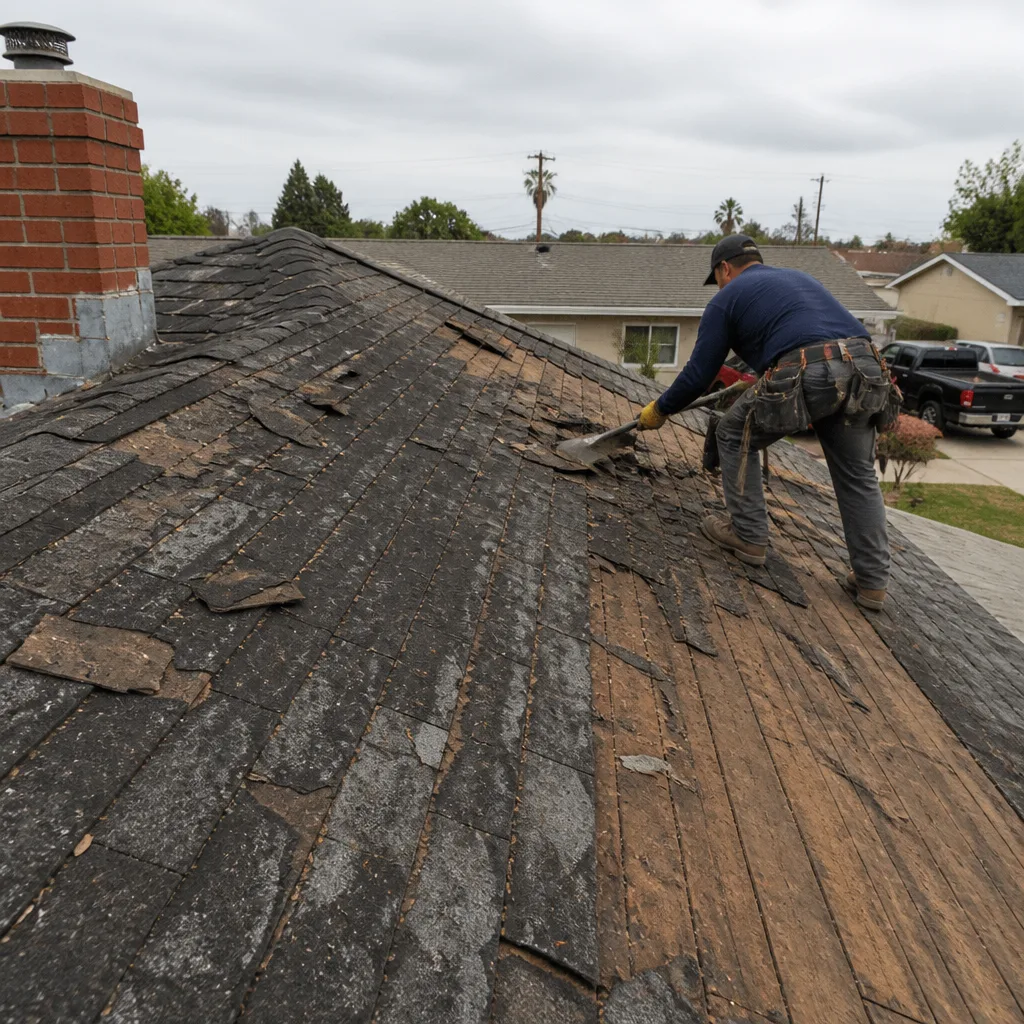 Before
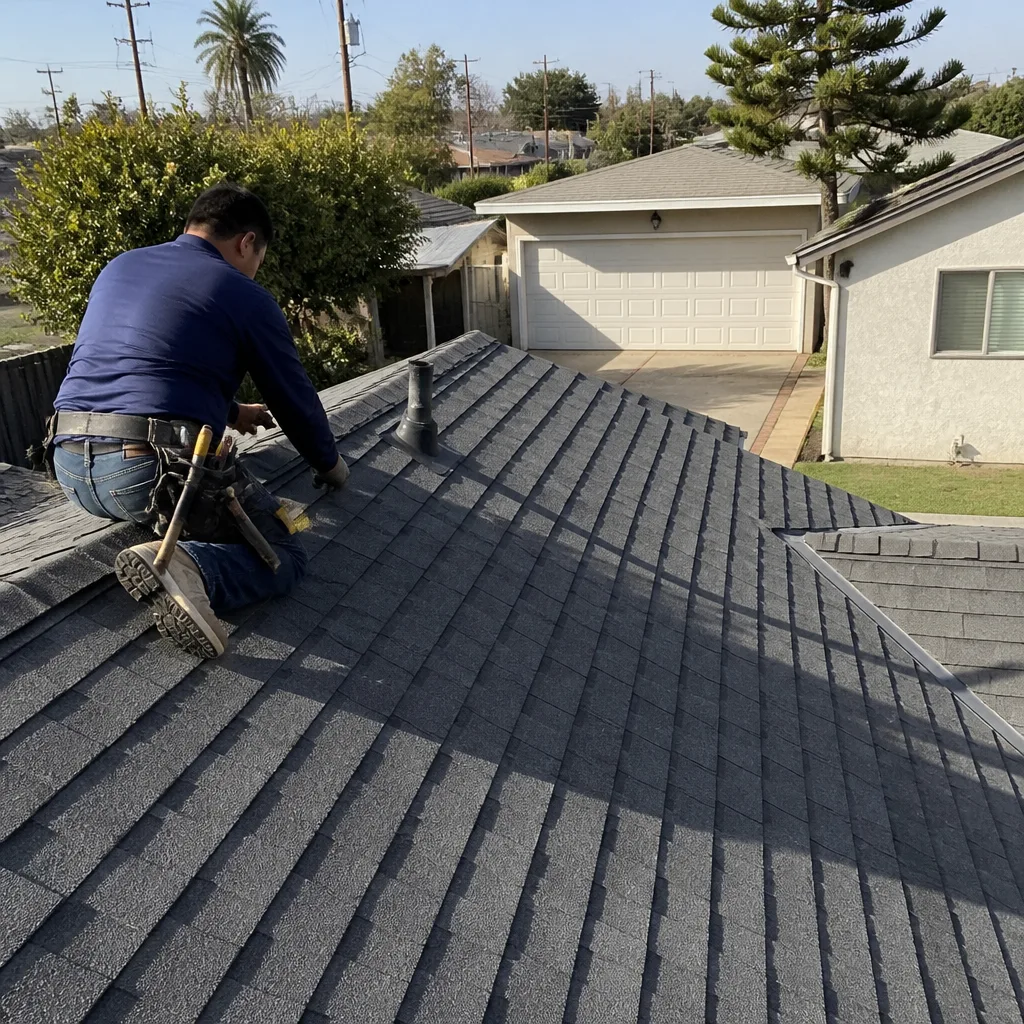 After
After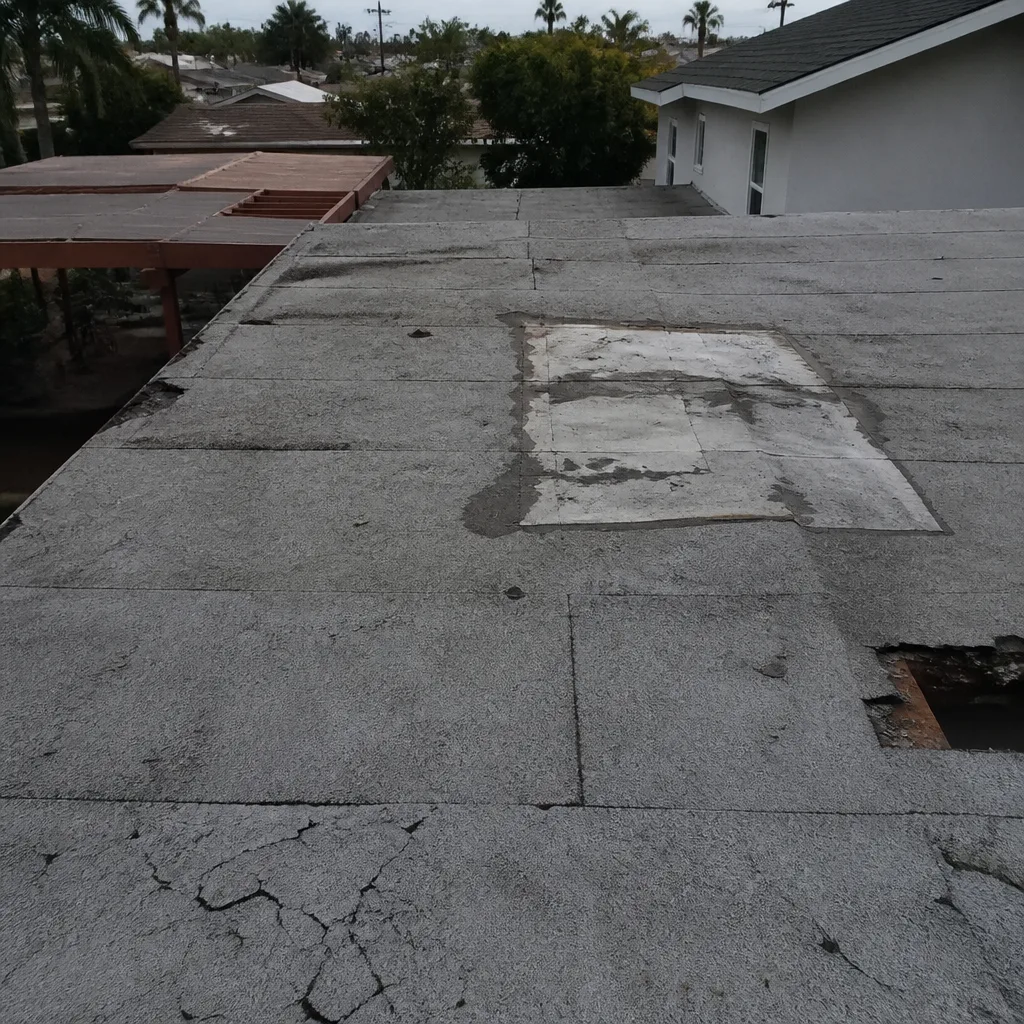 Before
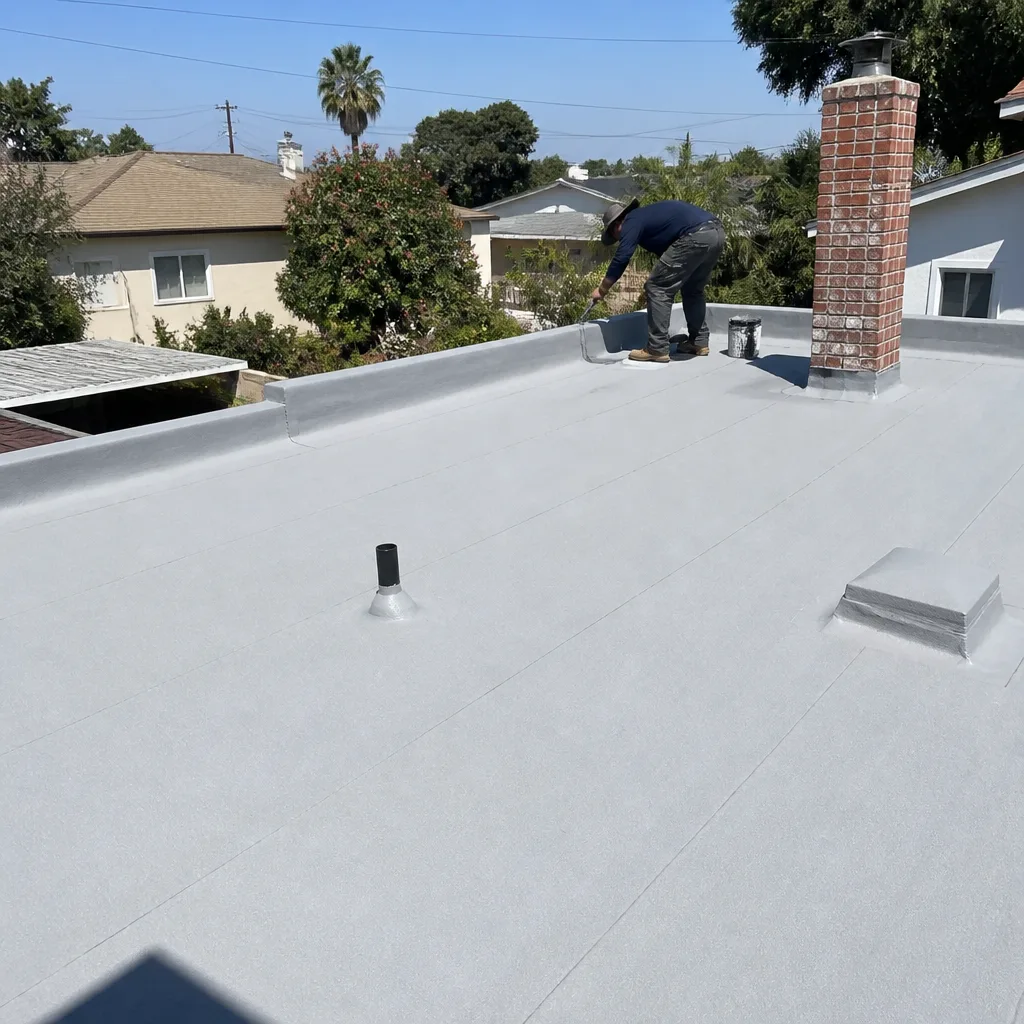 After
After