
Last updated October 17, 2026
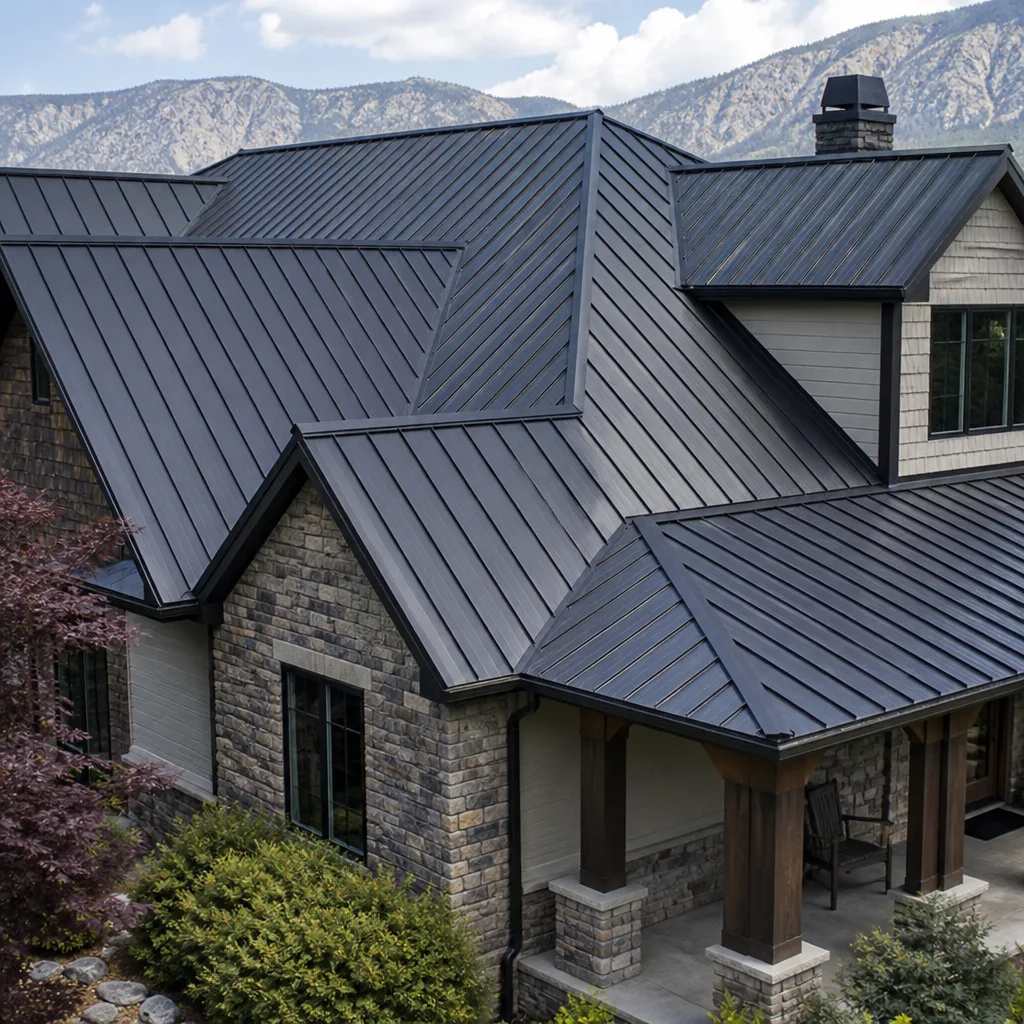 Metal roofing
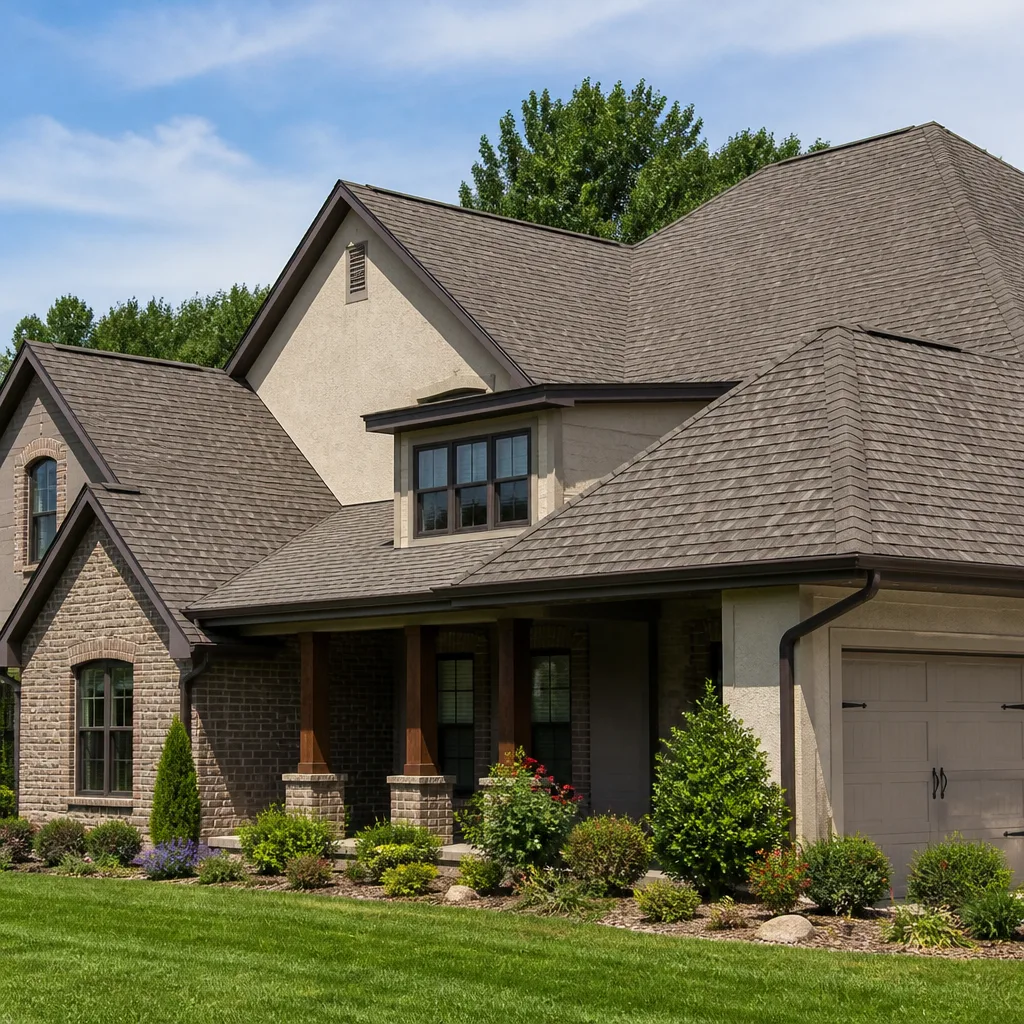 Architectural shingles
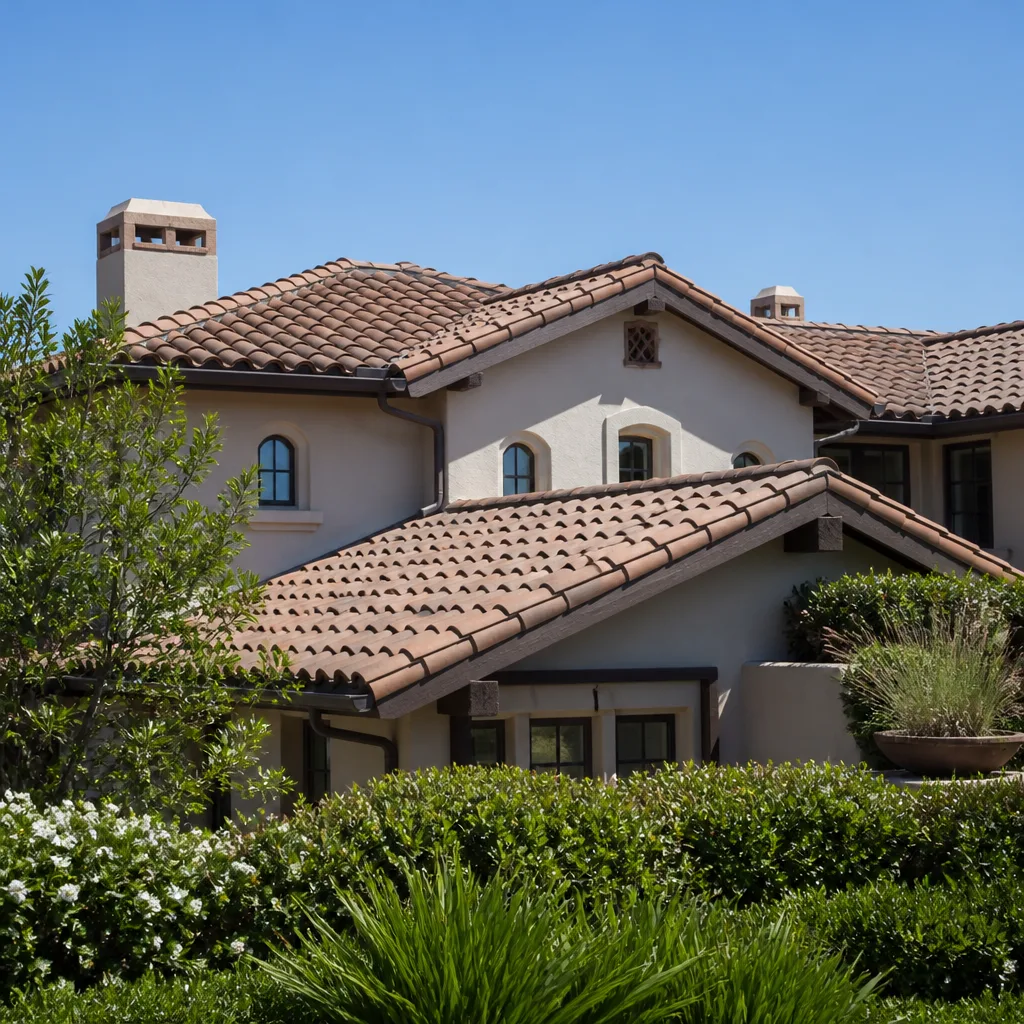 Tile roofing
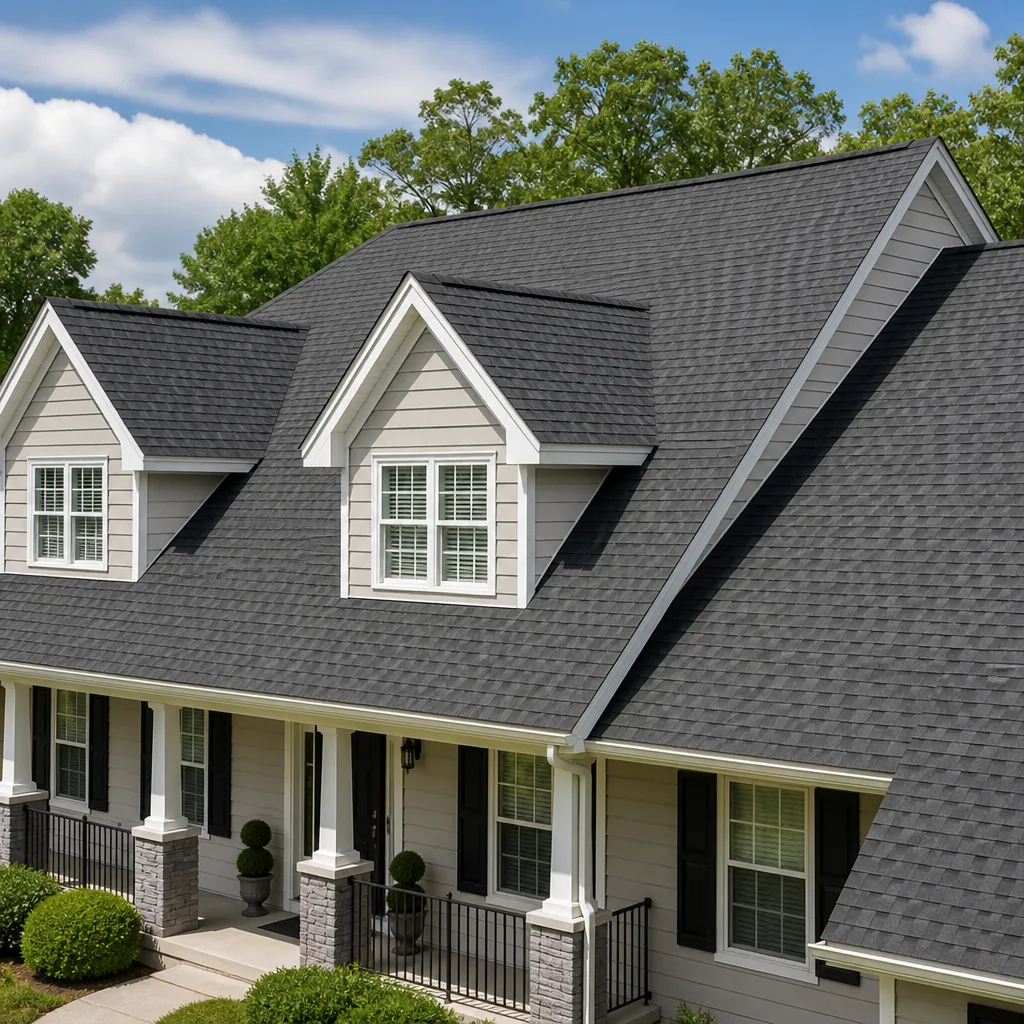 GAF
GAF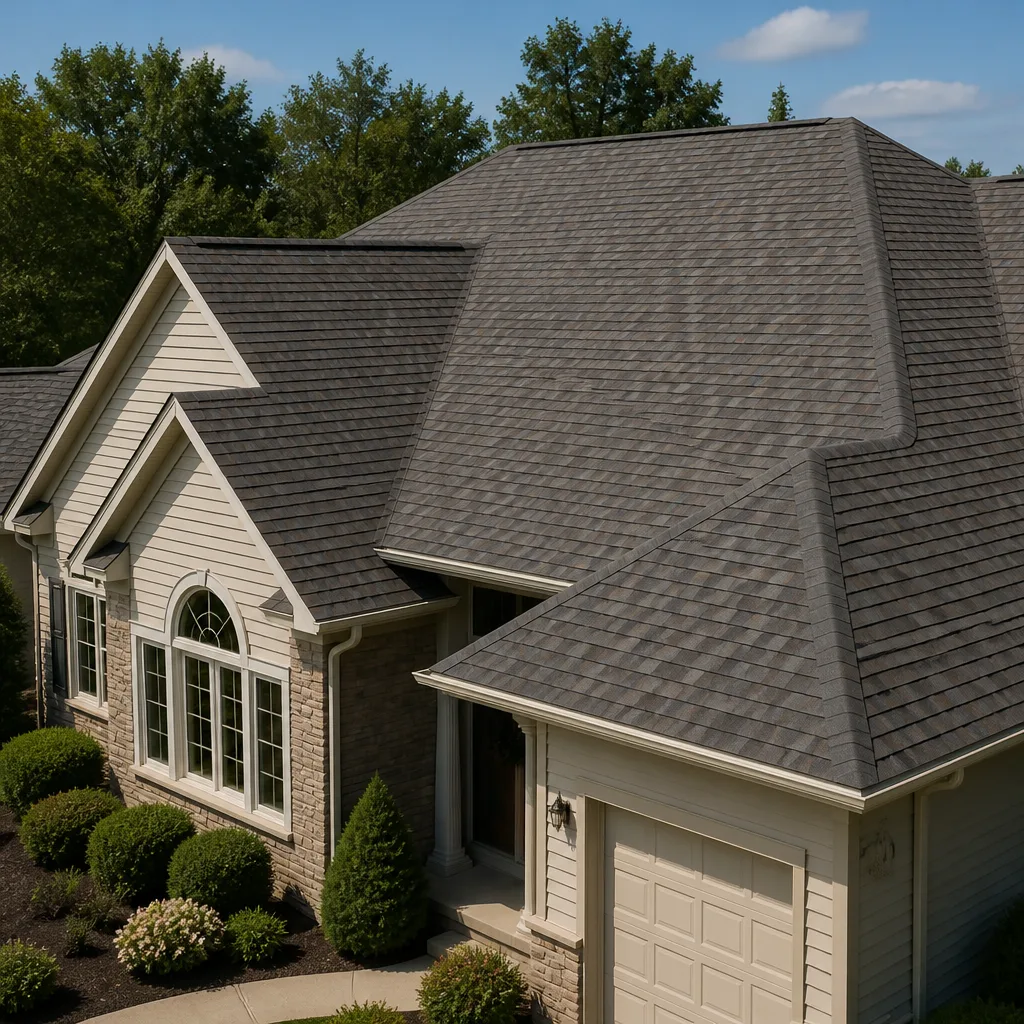 Owens Corning
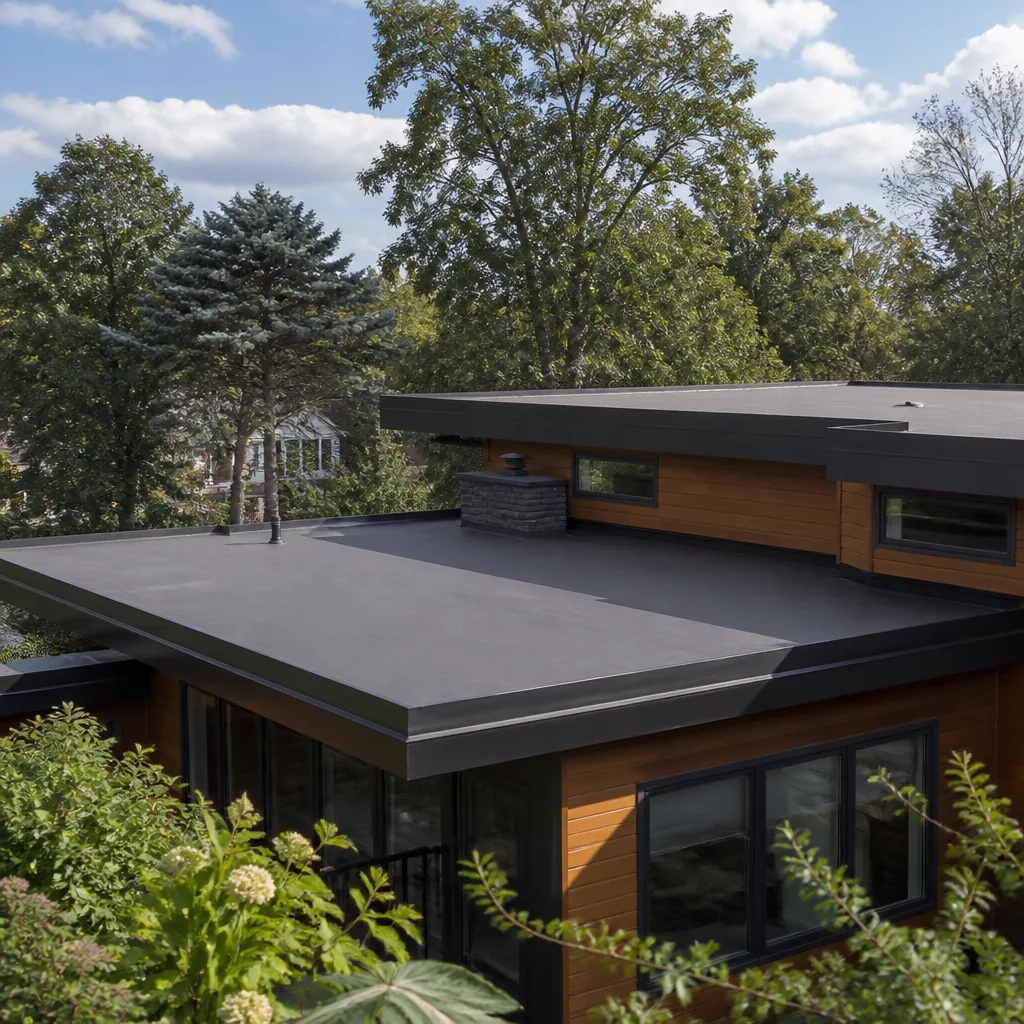 Flat & low-slope
Free roof inspection with deck photos before we talk money - GAF and Owens Corning certified installation
The Complete Guide to Roofing in Long Beach
Most roofing guides written for California homeowners were built around Sacramento or the Inland Empire – places where UV damage and heat are the dominant threats. In Long Beach, the marine layer keeps roofs damp for hours every morning, and that changes almost everything about what holds up and what doesn’t. This guide walks through the full picture: how Long Beach’s coastal climate attacks different roofing materials, what a written estimate should actually protect, which permits slow projects down, and how to tell whether a roofing crew will treat your house the way you would. You’ll come away knowing what questions to ask, what numbers to expect, and what really matters between Belmont Shore and Bixby Knolls.
Quick Answer
Roofing in Long Beach, CA means choosing materials that can handle daily marine-layer moisture, salt air, and periodic Santa Ana winds – not just heat. Homeowners should expect written pricing before work starts, a permit pulled by the contractor, and a scope of work that names specific materials, flashing details, and cleanup responsibilities. The right roof depends heavily on how far your home sits from the Pacific, and most coastal Long Beach homes benefit from materials with stronger corrosion resistance than what works inland.
Styles & brands we work with
Table of Contents
- How Long Beach’s Climate Attacks a Roof
- Best Roofing Materials for Long Beach Neighborhoods
- What Roofing Costs in Long Beach
- What a Written Scope of Work Must Include
- Long Beach Permits: What Actually Delays Projects
- How to Choose a Roofing Contractor in Long Beach
- What Happens During a Roof Repair or Replacement
- Maintenance That Actually Extends a Roof’s Life
How Long Beach’s Climate Attacks a Roof
Long Beach sits in a narrow band of coastal California where the ocean shapes nearly every weather pattern. The marine layer rolls in most nights between May and September, leaving roofs damp from roughly 11 p.m. until 9 or 10 a.m. the next morning. That daily wet-dry cycle is the single biggest difference between roofing in Long Beach and roofing 30 miles inland in cities like Norwalk or Downey, where roofs dry out faster and stay dry longer.
Here’s what the marine layer actually does to a roof over time. Moisture that seeps into tiny cracks or worn sealant expands slightly as temperatures rise. When it dries, the material contracts. Repeating that cycle several hundred times a year stresses joints, flashing, and fasteners in ways that a purely dry climate never does. We’ve inspected roofs in Belmont Shore and Naples where asphalt shingles showed visible granule loss years before the same shingle would fail in, say, Anaheim. The constant morning moisture softens the asphalt bond, and granules shed faster.
Salt air is the second factor. Long Beach wind patterns carry fine salt particles off the Pacific, and those particles settle on every horizontal surface. Metal flashing, pipe boots, and exposed fasteners corrode faster in zip codes like 90802, 90803, and 90814 than they do even 15 minutes north of the 405. We routinely see rusted pipe collars and corroded drip edge on roofs that are otherwise in fair shape, simply because the metal components sat in a light salt film for years.
Then come the Santa Anas. These offshore winds hit Long Beach primarily in the fall, often gusting 40 to 60 mph through the Los Alamitos gap and into neighborhoods like El Dorado Park and Los Altos. Wind-driven rain finds every loose shingle, every unsealed flashing seam, and every valley that wasn’t nailed or adhered correctly. A roof that performs fine during the calm, drizzly months can fail quickly when a Santa Ana storm pushes rain sideways.
The takeaway for Long Beach homeowners: your roof lives in a salt-fog, wind-cycle environment more like a coastal fishing town than a typical Southern California suburb. Material and fastener choices that work fine 20 miles inland may be the wrong call here.
Best Roofing Materials for Long Beach Neighborhoods
Material choice in Long Beach should start with one question: how close are you to the water? The answer changes corrosion risk, moisture exposure, and the practical lifespan of every roofing product. A home in Belmont Heights within a mile of the beach faces a different set of conditions than a home in Bixby Knolls, roughly five miles inland.
Distance From the Ocean Changes the Calculus
- Within 1.5 miles of the water (Belmont Shore, Naples, Alamitos Beach, downtown): Salt exposure is highest here. Metal flashing and fasteners need to be corrosion-rated, and we recommend upgraded stainless or galvanized components. Asphalt shingles will lose granules faster than manufacturer averages suggest. Cool-roof tile and standing-seam metal hold up better, but the underlayment matters as much as the top layer.
- 1.5 to 4 miles inland (Belmont Heights, Los Altos, El Dorado Park, parts of East Long Beach): Marine-layer moisture is still daily, but salt deposition drops off. Asphalt shingles from GAF, CertainTeed, and Tamko perform closer to their rated lifespans here, assuming proper attic ventilation. Tile and TPO flat-roof systems also work well.
- Above 4 miles (Bixby Knolls, North Long Beach, Wrigley): The roof environment looks more like standard inland California, with warmer daytime temperatures and faster drying. The biggest threats shift toward UV exposure and heat-cycling rather than salt and morning damp.
Material-by-Material Breakdown
- Asphalt shingles (architectural): The most common roof in Long Beach. Cost-effective and familiar to every installer. Coastal moisture accelerates granule loss, but quality shingles from GAF or CertainTeed with proper ventilation routinely reach 20-25 years in Long Beach neighborhoods away from the immediate shoreline. Expect faster wear in 90802 and 90803.
- Concrete and clay tile: Common in Spanish-style homes across Long Beach, especially in Los Altos and El Dorado Park. Tile sheds marine moisture well and doesn’t corrode, but the underlayment beneath it is the weak point after 20-30 years. Tile roofs also need to be walked carefully by someone who knows how; broken tiles from careless foot traffic create leaks that have nothing to do with the tile’s age.
- TPO and single-ply membrane (flat and low-slope roofs): Many mid-century homes and apartment buildings in Long Beach have low-slope or flat sections. TPO reflects heat, handles the marine layer’s moisture well, and resists salt air better than older tar-and-gravel systems. Quality installation matters enormously here; seams are where low-slope roofs fail.
- Standing-seam metal: The most corrosion-resistant choice for homes directly exposed to ocean air. Aluminum and properly coated steel handle salt far better than standard galvanized components. It costs more up front, but in Belmont Shore and Naples it often outlasts everything else.
One note on product choice: we work with materials from GAF, CertainTeed, and Tamko among others, and we don’t push one brand over another. The right shingle for a home in North Long Beach is often different from the right one for a home in Alamitos Beach, and the brand matters less than the installation standard and the underlayment spec.
What Roofing Costs in Long Beach
Roofing prices in Long Beach run slightly higher than the Los Angeles County average because of two local factors. First, many Long Beach homes are older, which means more decking repair, more re-flashing, and more unknown conditions once the old roof comes off. Second, coastal building codes and corrosion-resistant component requirements add material cost that inland cities don’t face. Here’s what homeowners should expect as of 2026.
Cost Ranges by Scope
| Scope of Work | Typical Long Beach Range |
|---|---|
| Minor shingle repair (10-15 shingles, one penetration point) | $350 – $700 |
| Flashing replacement around a chimney, skylight, or valley | $500 – $1,000 per location |
| Flat roof patch (TPO or modified bitumen, under 100 sq ft) | $800 – $1,800 |
| Full roof replacement (asphalt shingle, 1,500-2,000 sq ft home) | $12,000 – $22,000 |
| Full roof replacement (tile or metal, same size) | $28,000 – $55,000 |
These numbers reflect what we see on estimates across Long Beach. The spread comes from the condition of the decking, the number of penetrations and flashing points, the roof’s slope and height, and how close the home is to the water. Coastal replacement jobs sometimes carry a 10-15 percent premium over identical work in North Long Beach because the materials spec changes.
Most residential roof repairs in Long Beach run between $350 and $1,800 depending on scope. A full replacement is a larger decision, and the only way to get a number that means something for your specific roof is to get the written estimate. If you’re comparing bids, pay less attention to the grand total and more attention to whether the scope of work names exactly what gets replaced and what doesn’t. That’s covered in detail below. For a deeper look, see our guide on roof repair in Long Beach.
What a Written Scope of Work Must Include
In Long Beach, a verbal quote protects no one. A roofing contractor who says “we’ll replace the roof for $14,000” and never puts detail on paper has not given you an enforceable agreement. When disputes end up in front of the California Contractors State License Board, the question is always: what did the written document say? Here’s what a real scope of work should include before you sign anything.
- Specific materials by brand and product line. “Architectural shingle” is not specific enough. The scope should name the brand (for example GAF Timberline HDZ or CertainTeed Landmark), the color, and the underlayment product. If the contractor substitutes, you should have that in writing before it happens.
- Flashing details for every penetration. Chimneys, skylights, vents, walls, and valleys each need flashing. The scope should say what material (galvanized, stainless, aluminum) and what gauge or thickness. Coastal Long Beach homes should have corrosion-rated flashing specified.
- Decking repair terms. Every contractor will discover rotted or cracked decking once the old roof comes off. The scope should state the per-sheet cost for replacement and cap how much decking can be replaced before the contractor needs written approval from you.
- Demolition and disposal responsibilities. Who removes the old roof, where the debris goes, how it’s hauled, and who pays the dump fees. This should be explicit, not assumed.
- Property protection specifics. Shoe covers at the door, drop cloths through the hallway, tarps over landscaping, and a photo of the completed clean-up before the crew leaves. If it’s not written, it’s not promised.
- Permit and inspection acknowledgment. The permit number, who pulls it, who schedules the inspection, and what happens if the city inspector requires additional work.
- Payment schedule. California law caps the down payment for home improvement contracts at 10 percent of the total or $1,000, whichever is less. Any contractor asking for more before work starts is breaking state law. The schedule should be explicit and tied to milestones.
- Warranty terms in writing. What’s covered, for how long, and what the process is if something goes wrong. Verbal warranty promises are worthless.
Birchbark Roofing provides a written price in dollars before any work starts, always. No homeowner in Long Beach should accept less from any contractor.
Long Beach Permits: What Actually Delays Projects
Most Long Beach roofing projects require a re-roofing permit from the city’s Development Services Department. That’s not unique, but there’s one Long Beach-specific requirement that catches homeowners off guard: the cool roof ordinance. Long Beach’s local building code requires that re-roofing projects on residential buildings meet specific solar reflectance standards unless the project qualifies for an exception. What this means in practice: the roofing material you originally picked may not comply, and switching products after the permit application is filed adds time.
Here’s the permit process step by step, and where delays typically happen:
- Contractor submits permit application. This includes the roof plan, material specifications, and cool roof compliance documentation. A contractor who knows Long Beach’s code can usually prepare this correctly the first time.
- Plan check review. Residential re-roofing permits often go through an over-the-counter review if the scope is straightforward. If the cool roof compliance sheet is missing or the material spec isn’t clear, the review bounces back.
- Permit issuance. Once approved, the permit is issued and the work can begin. The permit must be posted on-site during construction.
- City inspection. Long Beach requires an in-progress inspection for many re-roofs, typically after the underlayment and before the finish material goes on. If the inspector can’t get access to the roof that day, the project waits.
- Final inspection and sign-off. This closes the permit. It’s the document you want in your files before you make the final payment.
The most common delay we see isn’t the city’s fault. It’s a contractor filing an incomplete permit application, or not knowing the cool roof requirement applies to the material they quoted. A contractor who does regular work in Long Beach knows the ordinance, knows the inspection schedule, and accounts for both in the project timeline. That local knowledge is one of the reasons homeowners choose a roofing company in Long Beach rather than an out-of-area firm.
How to Choose a Roofing Contractor in Long Beach
Choosing a roofer in Long Beach comes down to separating contractors who understand coastal conditions from contractors who treat every roof like an inland job. Here’s what we tell homeowners to look for, and what should send you the other direction.
Questions That Reveal Local Knowledge
- “How do you spec flashing for a home within two miles of the water?” The right answer involves corrosion-rated material, not just “standard flashing.”
- “What cool roof compliance does this material carry?” If they don’t know Long Beach’s cool roof ordinance exists, they don’t pull permits here regularly.
- “What does your clean-up process look like inside my home?” A good answer names specifics: shoe covers, drop cloths, a walkthrough. A vague answer means the house gets treated like a job site.
- “Can I see your written scope of work before I sign?” Any hesitation here is a red flag. The written price should be automatic, not optional.
What to Verify Before Signing
- License and insurance. Verify the California contractor license is active and matches the company name on the contract. Ask for the insurance certificate directly from the carrier, not a photocopy.
- Local references in Long Beach. Ask for recent projects in Long Beach specifically, not Pasadena or Orange County. Coastal references tell you more than inland ones.
- Who actually does the work. Some companies sell the job and subcontract the labor. Ask whether the crew is company employees or subcontractors. Your contract should name who shows up and who is responsible if something goes wrong.
- How they handle the unknowns. Old Long Beach roofs hide problems. Ask the contractor to walk you through exactly what happens if decking is rotted, if the fascia is damaged, or if the old roof has layers they didn’t expect.
At Birchbark Roofing, every technician is background-checked and uniformed, so homeowners know exactly who is walking through their door and onto their roof. We’re part of the Cedarwell family of roofing companies since 2000, and every job carries the 365-Day Done Right Promise: if the work isn’t right, we make it right.
What Happens During a Roof Repair or Replacement
Most homeowners who have never replaced a roof picture tarps and nail guns, but not much else. Here’s what actually happens, in order, so you know what to expect from any contractor you hire in Long Beach.
- Site protection set up. Before anyone climbs a ladder, the crew protects what matters inside your home. Shoe covers go on at the door. Drop cloths run through the hallways and any room the crew walks through. Tarps cover landscaping, walkways, and any exterior surface below the work area. This step should take 30-60 minutes and it should happen first, not as an afterthought.
- Tear-off and decking inspection. The old roof comes off in sections. The decking underneath gets inspected sheet by sheet. Any rotted or cracked sections are documented, photographed, and replaced with your approval per the scope of work.
- Underlayment and flashing installation. The new underlayment goes down first, followed by flashing at every penetration: pipes, vents, chimneys, walls, skylights, and valleys. In coastal Long Beach, this is the layer that does the heavy lifting against marine moisture, so it’s not the step to rush.
- City inspection. Long Beach requires inspection at the underlayment stage on most re-roofs. The project pauses until the inspector signs off. A contractor who didn’t pull a permit can’t offer you this protection.
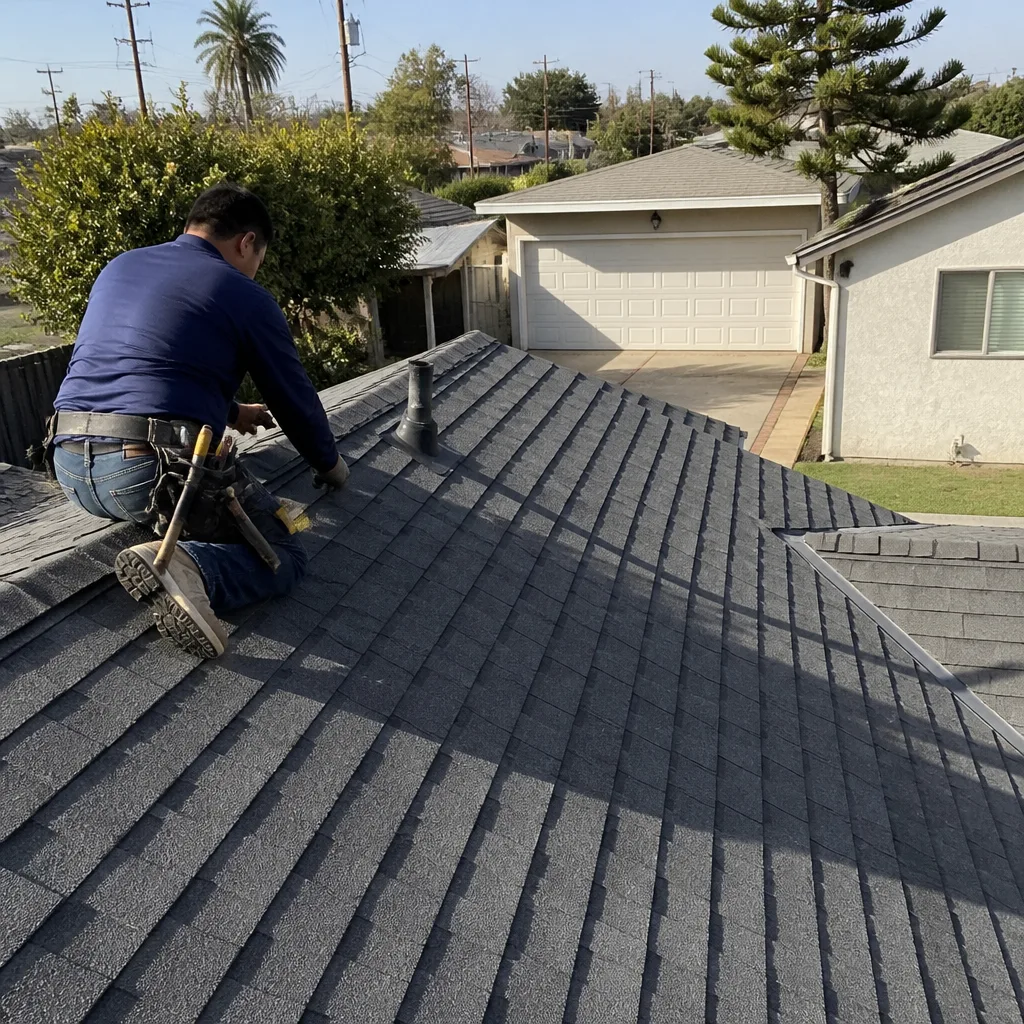
- Finish material installation. Shingles, tile, or membrane go on per the written scope. This is the most visible work and generally moves fast.
- Clean-up and final walkthrough. Debris is magnet-swept, gutters are cleared, and the property is walked with a fine-tooth comb for nails. At Birchbark Roofing, we photograph the completed clean-up before the crew leaves, so you can verify the house is clean even if you weren’t home during the day.
If you have kids or pets, and the dog needs to stay inside during the work, we coordinate the door schedule with you. We use pet-safe product choices where there’s a choice. These details matter more than most people realize until the crew is actually on-site.
For more on what a full replacement involves, see our roof replacement in Long Beach guide.
Maintenance That Actually Extends a Roof’s Life
Most maintenance advice is generic: clean your gutters, trim overhanging branches. In Long Beach, maintenance looks different because the threats are different. Here’s what actually moves the needle on roof lifespan in this climate.
Coastal-Specific Maintenance Tasks
- Rinse exposed metal components twice a year. Flashing, pipe boots, and vents within two miles of the ocean collect salt film. A gentle rinse with a garden hose (never a pressure washer) removes the salt before it corrodes. This takes 20 minutes and extends metal component life measurably.
- Inspect sealant at every penetration. The daily marine-layer wet-dry cycle cracks sealant faster in Long Beach than inland. Check pipe collars, vent seals, and any caulked joint for shrinkage or separation at least once a year.
- Watch for granule buildup in gutters. Some granule loss is normal. But in coastal Long Beach, heavy granule deposits in the gutters during years 5-10 of an asphalt shingle’s life can signal that the marine layer is accelerating wear. Catching it early lets you address ventilation or coating options before the shingles fail.
- Check for lifted shingles after Santa Ana events. After a Santa Ana wind event, walk the property line and look along the roof edges for lifted or shifted shingles. You can’t always see wind damage from the ground, but loose shingles often show at the eaves and rakes first.
- Keep the roof free of debris that traps moisture. Leaves, twigs, and especially fallen palm fronds hold moisture against the roof surface and accelerate rot. In Long Beach’s damp mornings, a debris pile stays wet far longer than it would in Palm Springs.
Attic Ventilation Is Not Optional Here
The marine layer means Long Beach attics run cooler and more humid than inland attics. Proper ventilation moves that moist air out before it condenses on the underside of the roof deck. We’ve pulled off roofs in Long Beach where the shingles looked fine from the street but the decking underneath was soft from years of trapped moisture. If your roof is nearing replacement age and your attic has no ridge vent, inadequate soffit ventilation, or no ventilation at all, fix that during the replacement. It’s the difference between a 15-year roof and a 25-year roof in this climate.
Common Mistakes to Avoid
- Accepting a verbal quote. In California, a verbal roofing agreement is difficult to enforce and impossible to verify when a dispute arises. A written scope of work with a dollar amount protects you, full stop.
- Choosing materials based on price alone. A cheaper shingle that loses granules in five years of marine-layer moisture costs more in the long run than a mid-grade shingle properly installed. The material cost spread on a typical Long Beach roof is small compared to the labor cost of a re-do.
- Hiring a contractor who doesn’t know the cool roof ordinance. If your contractor hasn’t heard of Long Beach’s re-roofing code requirements, they haven’t pulled a permit in Long Beach recently. The permit delay lands on your timeline, not theirs.
- Skipping the written clean-up commitment. Homeowners with kids and pets routinely tell us the thing they feared most was finding a nail in the driveway or the dog eating something left behind. If clean-up isn’t in writing, it’s not a commitment.
- Letting a small leak ride. In Long Beach’s daily moisture cycle, a small leak that would dry out inland stays damp and active here. What starts as a water stain becomes rotted decking and mold inside a season.
- Paying too much up front. California caps the down payment at $1,000 or 10 percent of the contract, whichever is less. Any contractor pushing for more before work begins is telling you who they are. Walk away.
- Ignoring the underlayment spec. The layer under your shingles or tile does the actual waterproofing. Homeowners focus on the visible material and overlook the underlayment, which is often where coastal roofs fail first.
See the difference
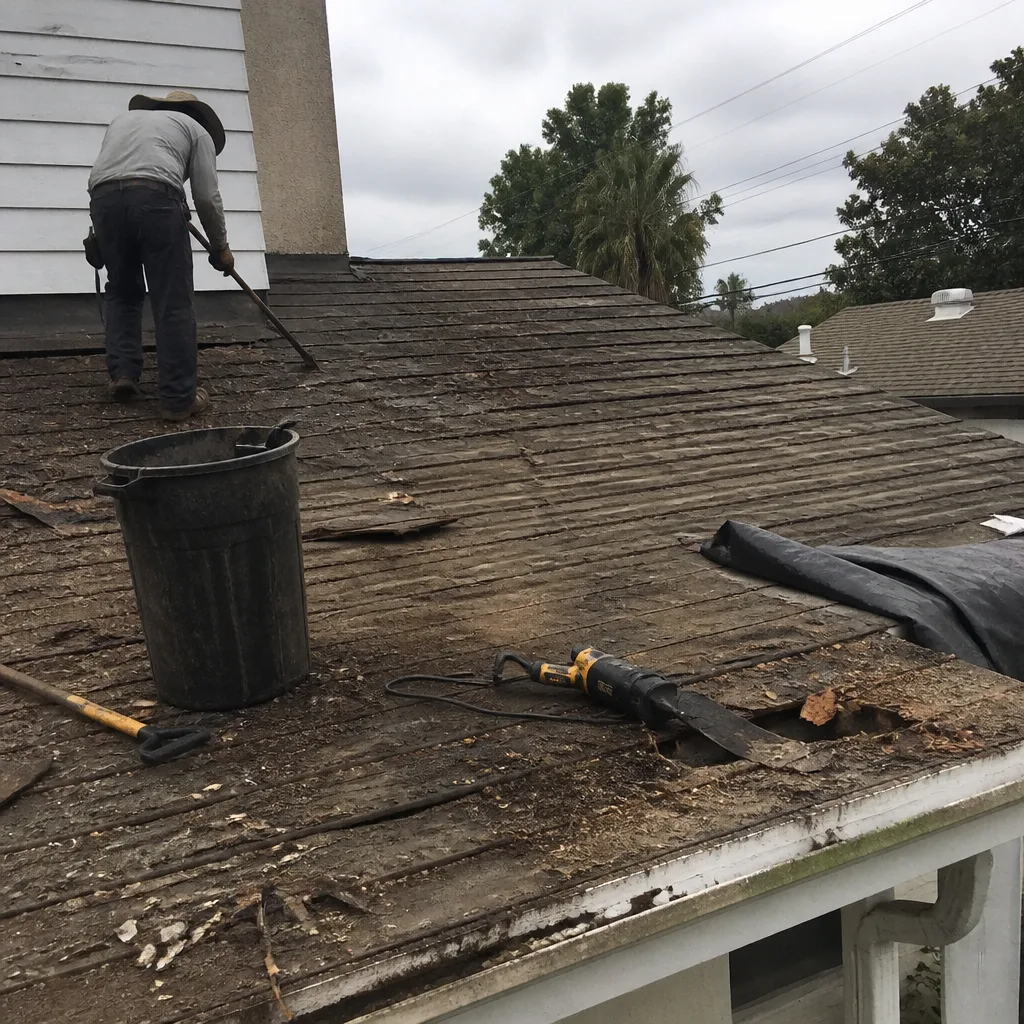 Before
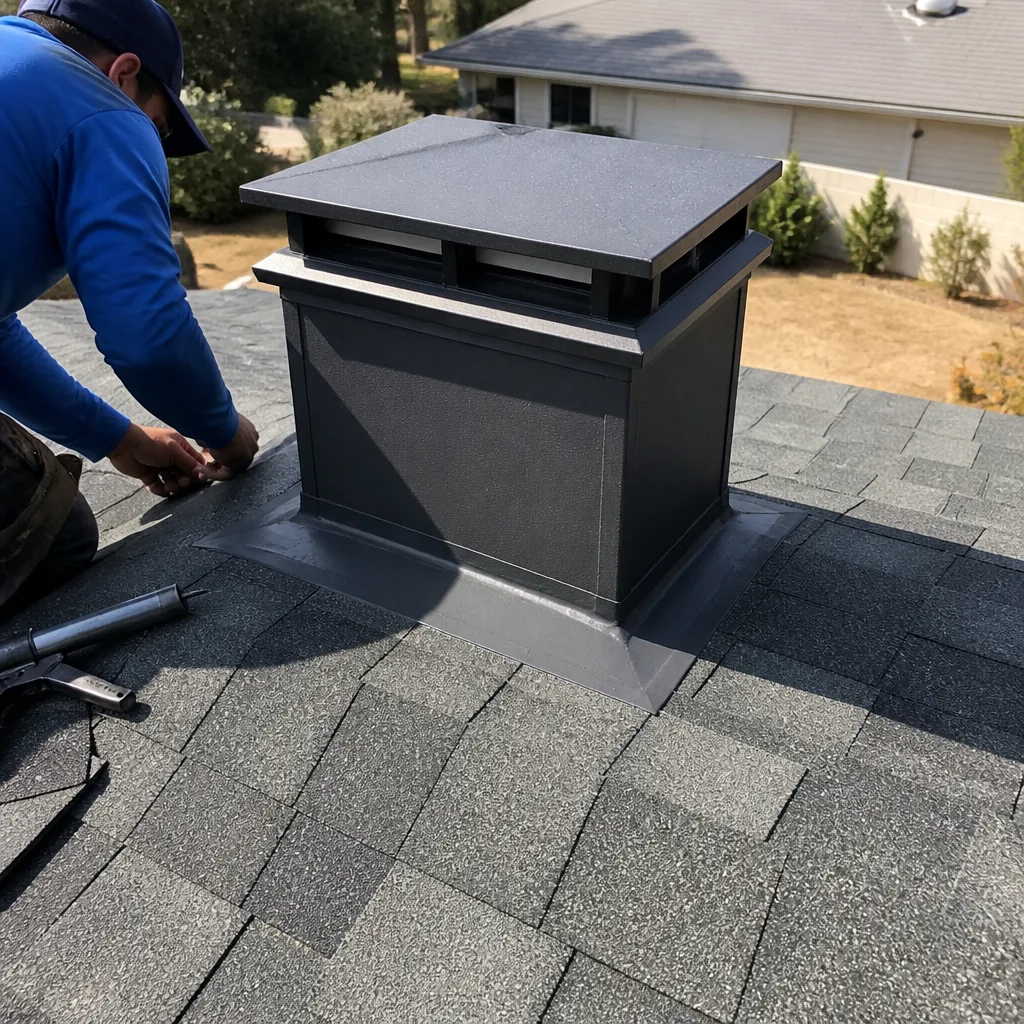 After
After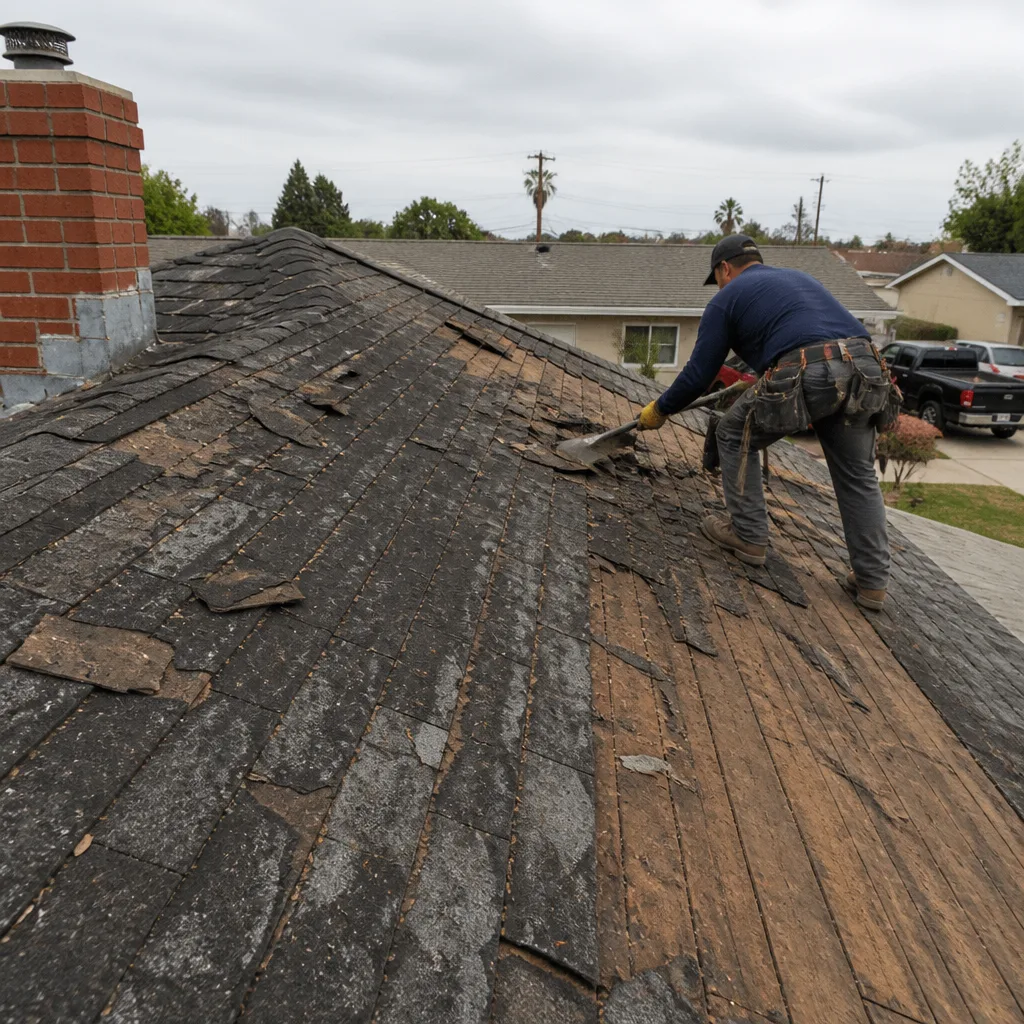 Before
 After
After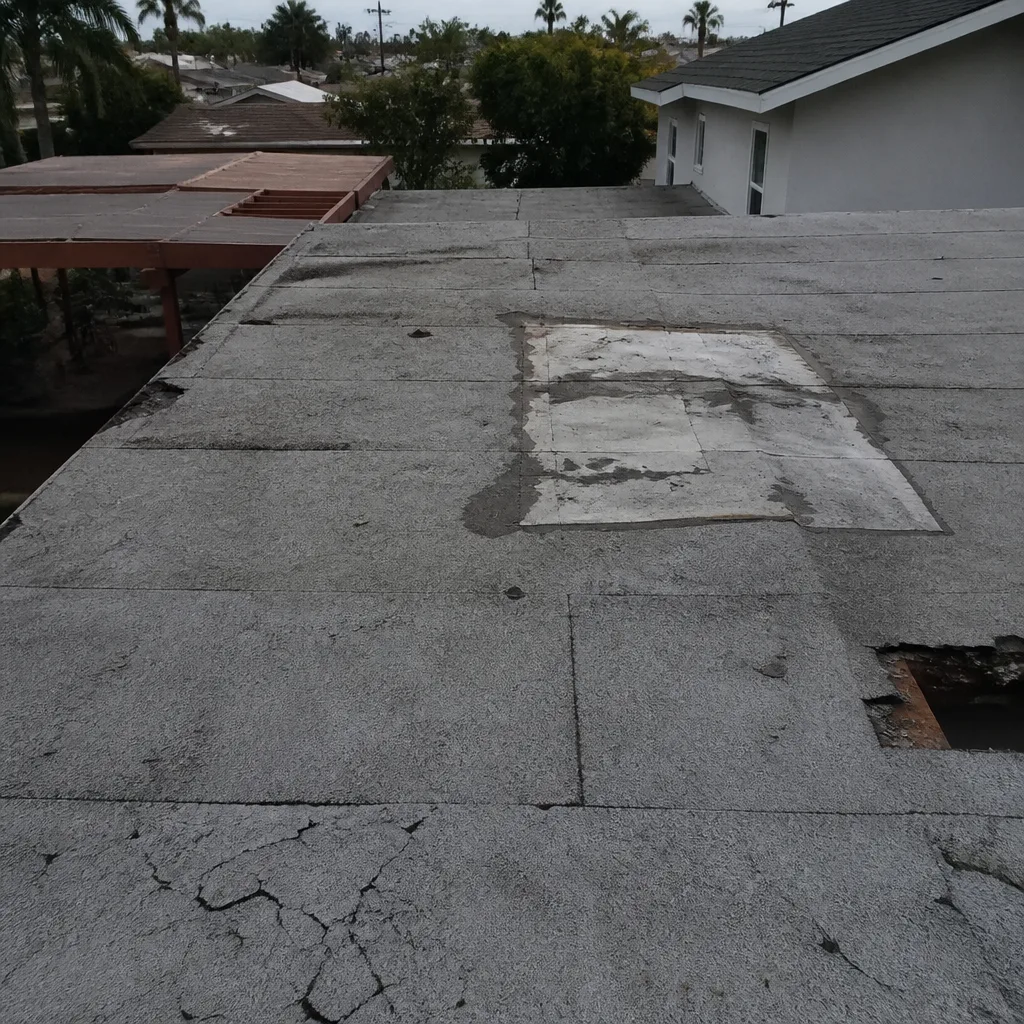 Before
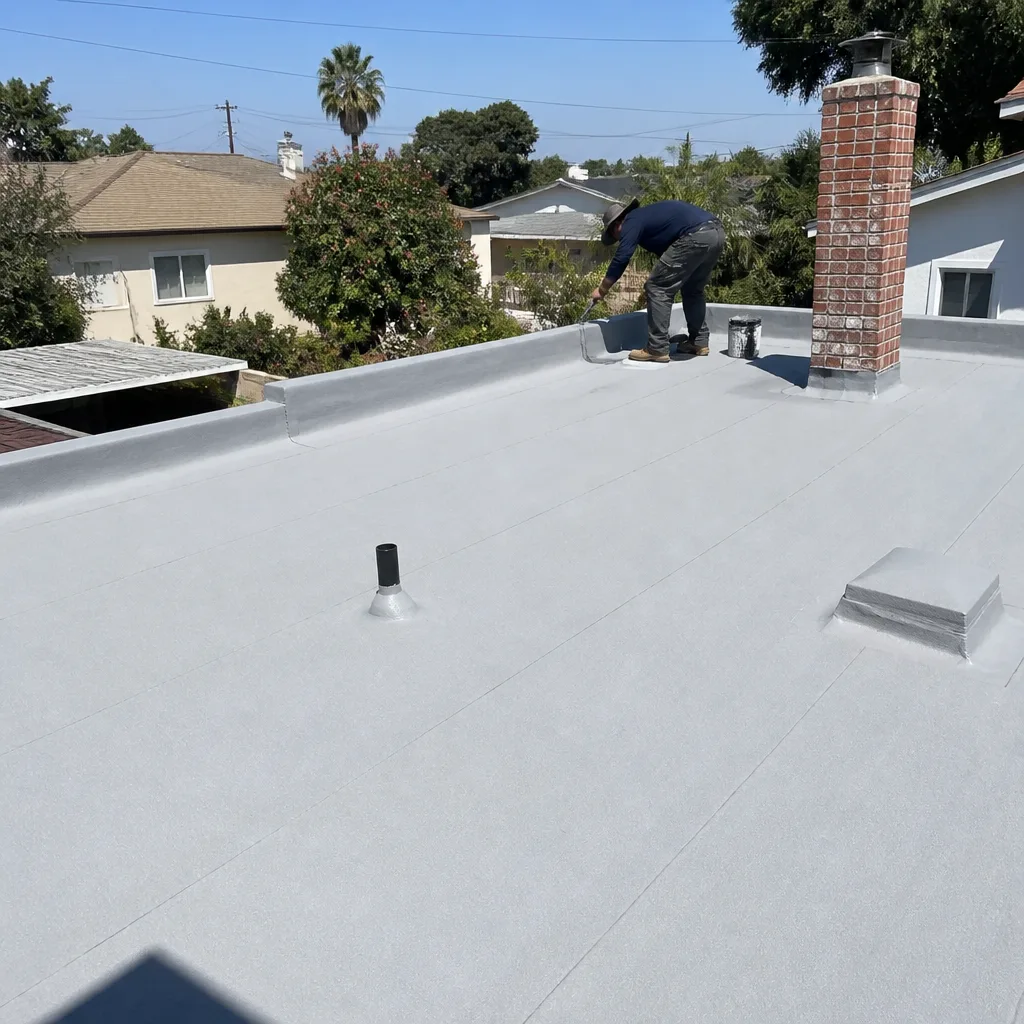 After
AfterWhen to Call a Professional
Some situations warrant a professional look, not a ladder. If you see water staining on your ceiling more than once, if shingles are visibly lifting along the eaves after a wind event, if granules are piling up in the gutters year after year, or if your roof has passed 15 years in a coastal zip code without an inspection, it’s time. Roof work carries real risk: steep pitches, heights, and fragile surfaces. Our position is simple: call it in, and let someone with the right training and equipment get on the roof. Birchbark Roofing Long Beach offers free estimates in Long Beach – call (562) 512-7366 and a live person answers, day or night.
Frequently Asked Questions
A full asphalt shingle roof replacement in Long Beach typically costs between $12,000 and $22,000 for a standard 1,500 to 2,000 square foot home. Tile or metal roofs run higher, generally $28,000 to $55,000. Your exact number depends on roof size, pitch, material, decking condition, and how close to the water your home sits. Call (562) 512-7366 for a free estimate with a written price in dollars before any work starts.
An architectural asphalt shingle roof in Long Beach typically lasts 18 to 25 years, with homes within two miles of the ocean often landing at the lower end. Tile roofs can last 50 years or more, but their underlayment usually needs replacement after 25 to 30 years. On the coast, the marine layer and salt air shorten roof life compared to inland California.
Yes, most residential roof replacements in Long Beach require a city permit, and the city’s cool roof ordinance means the material you choose must meet solar reflectance standards or qualify for an exception. Your contractor should handle the permit, the inspection scheduling, and the final sign-off. If a contractor suggests skipping the permit to save time or money, that’s a serious red flag.
In many cases, yes. Isolated leaks around flashing, pipe boots, or a small area of damaged shingles can often be repaired without a full replacement. A quality repair starts with finding the actual source of the water entry, not just patching the visible damage. For specific repair costs, see our roof repair in Long Beach page, or call (562) 512-7366 for a free estimate.
Compare the scope of work, not just the bottom line. Two quotes may look $2,000 apart when one includes corrosion-rated flashing, written decking repair terms, and a clean-up commitment, and the other doesn’t. Ask each contractor to line-item what’s included, what’s excluded, and what happens with unknowns. A cheaper quote that doesn’t specify materials and clean-up isn’t cheaper if problems surface later.
It can, and that’s normal when old Long Beach roofs hide decking damage or unexpected conditions. What protects you is a written scope of work that caps decking replacement costs and requires your written approval before any change order. No contractor can honestly promise the price will never change; the honest ones put the rules for changes in writing before the work starts. For more on how we handle this, visit our roofing company in Long Beach page or call (562) 512-7366.
The Bottom Line
Roofing in Long Beach is a different animal from roofing 20 miles inland. The marine layer’s daily wet-dry cycle, ocean salt in the air, and Santa Ana wind events all change which materials hold up, which components fail first, and what a good contract needs to include. Get the written scope of work with specific materials and clean-up commitments. Pull the permit and pass the inspection. Choose a contractor who knows Long Beach’s code and the coast’s corrosion demands. And treat the roof as a system: underlayment, flashing, ventilation, finish material. Cut corners on any one and the rest suffers. If you’re weighing options, start with a written estimate and go from there.
Written by Erik Lindgren, Owner at Birchbark Roofing Long Beach, serving Long Beach since 2000.
Ready to talk about your roof? Start with the Birchbark Roofing Long Beach home page or call (562) 512-7366 – a live person answers 24/7, and every estimate is free.