
 Owens Corning
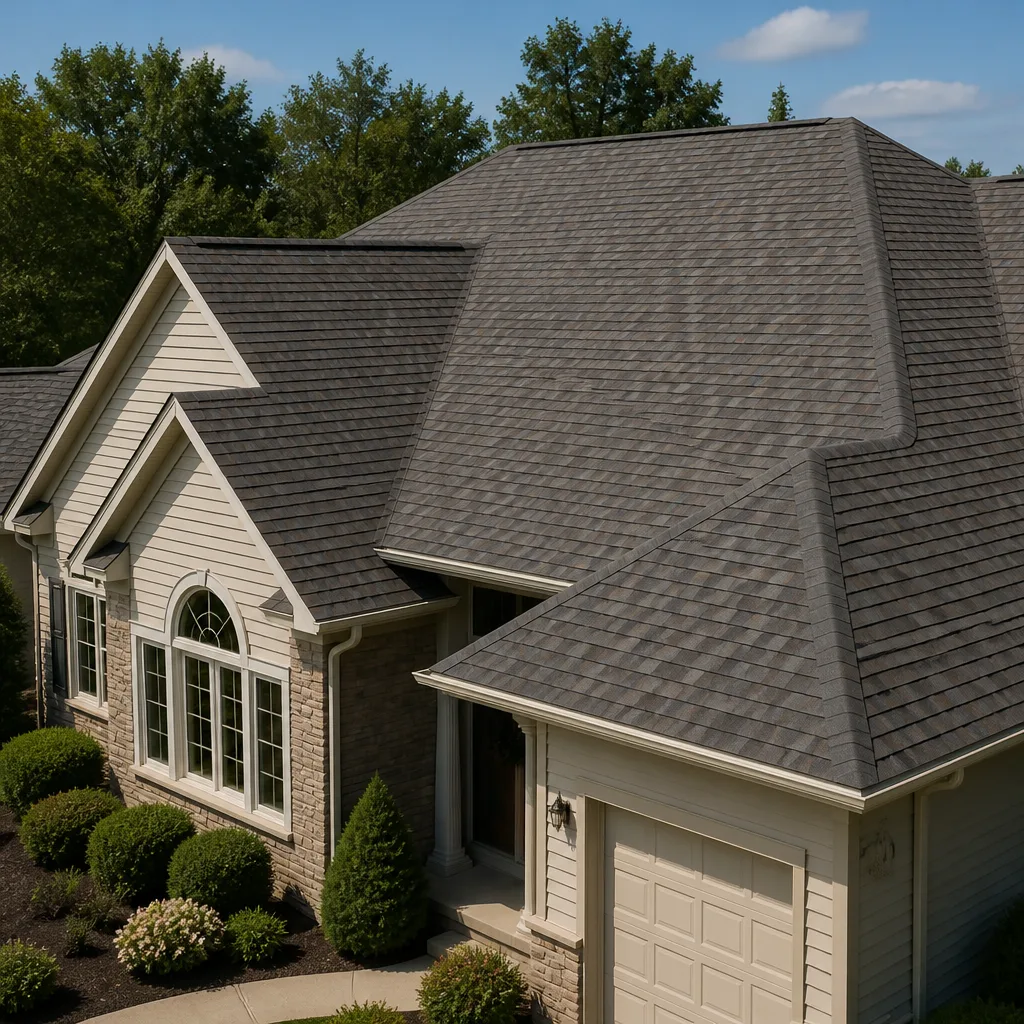
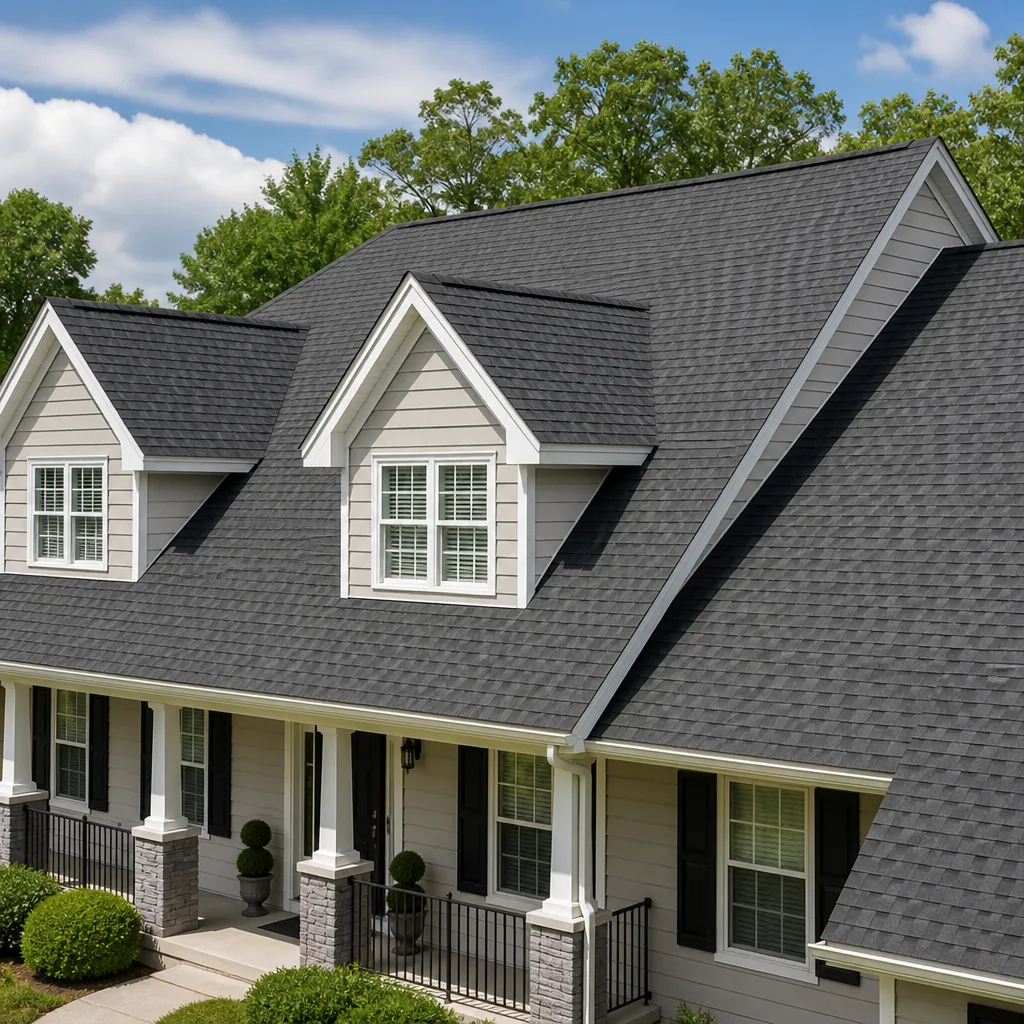
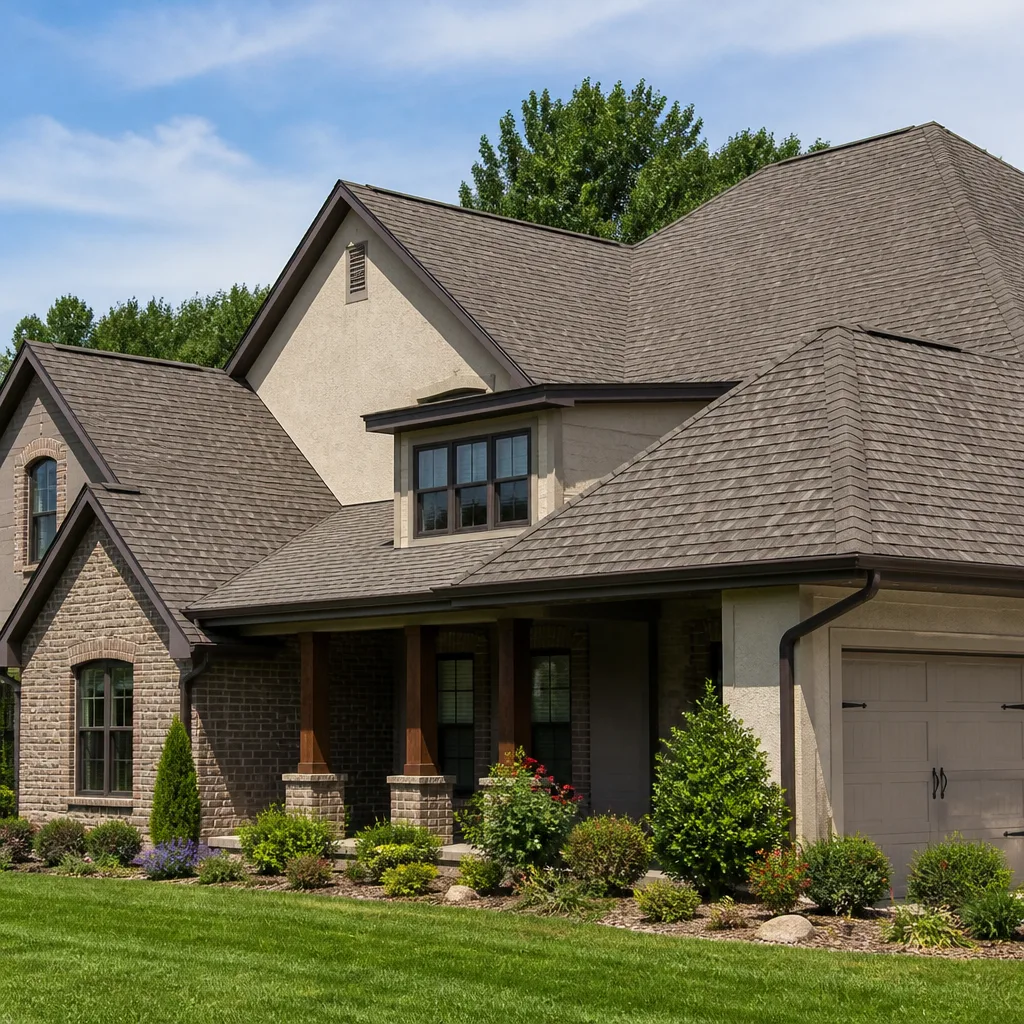 Architectural shingles
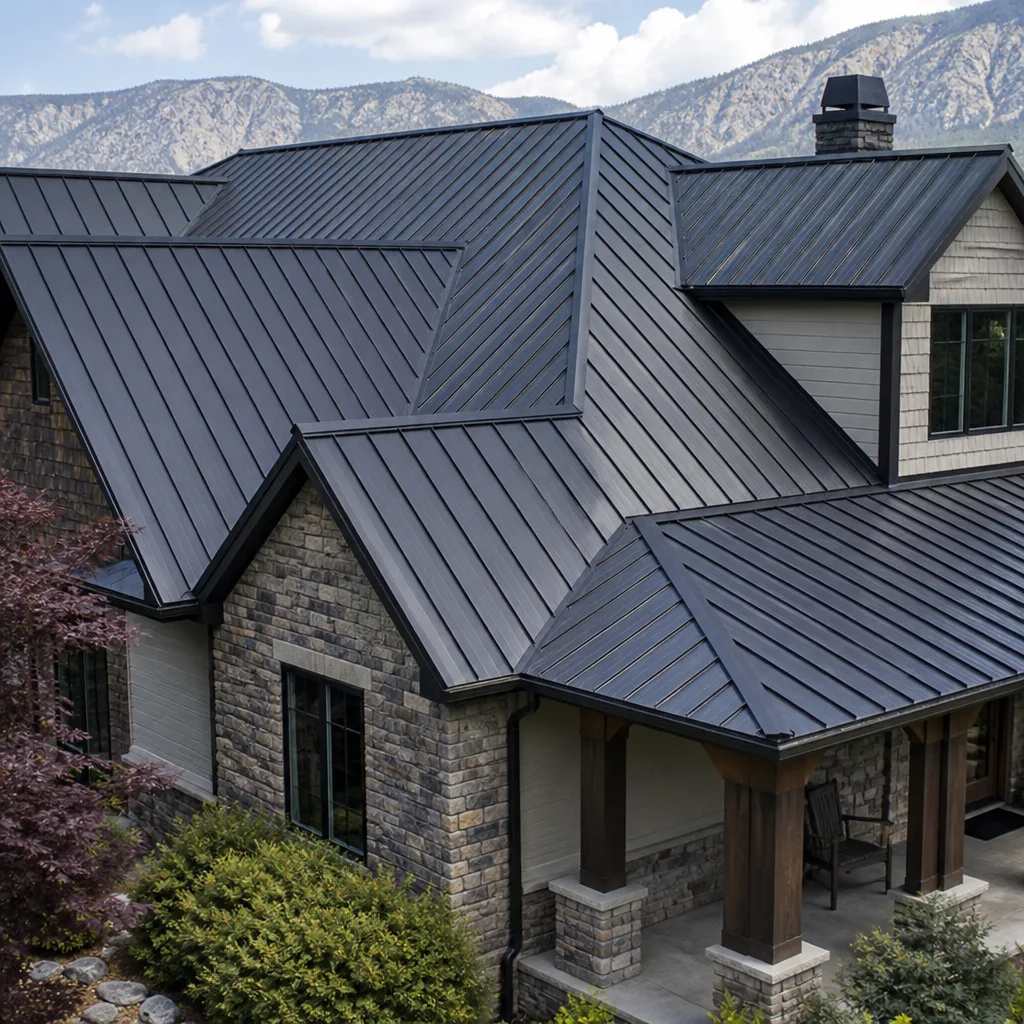 Metal roofing
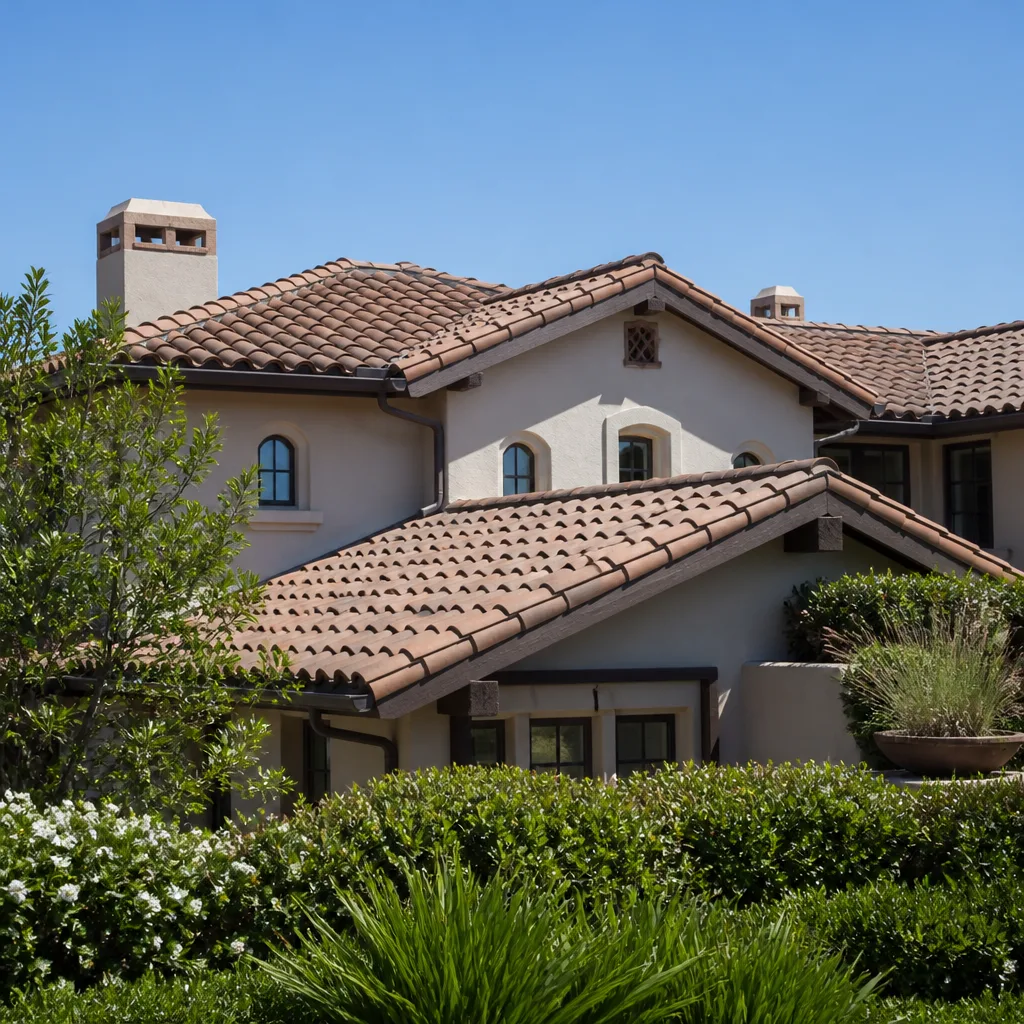 Tile roofing
 GAF
GAF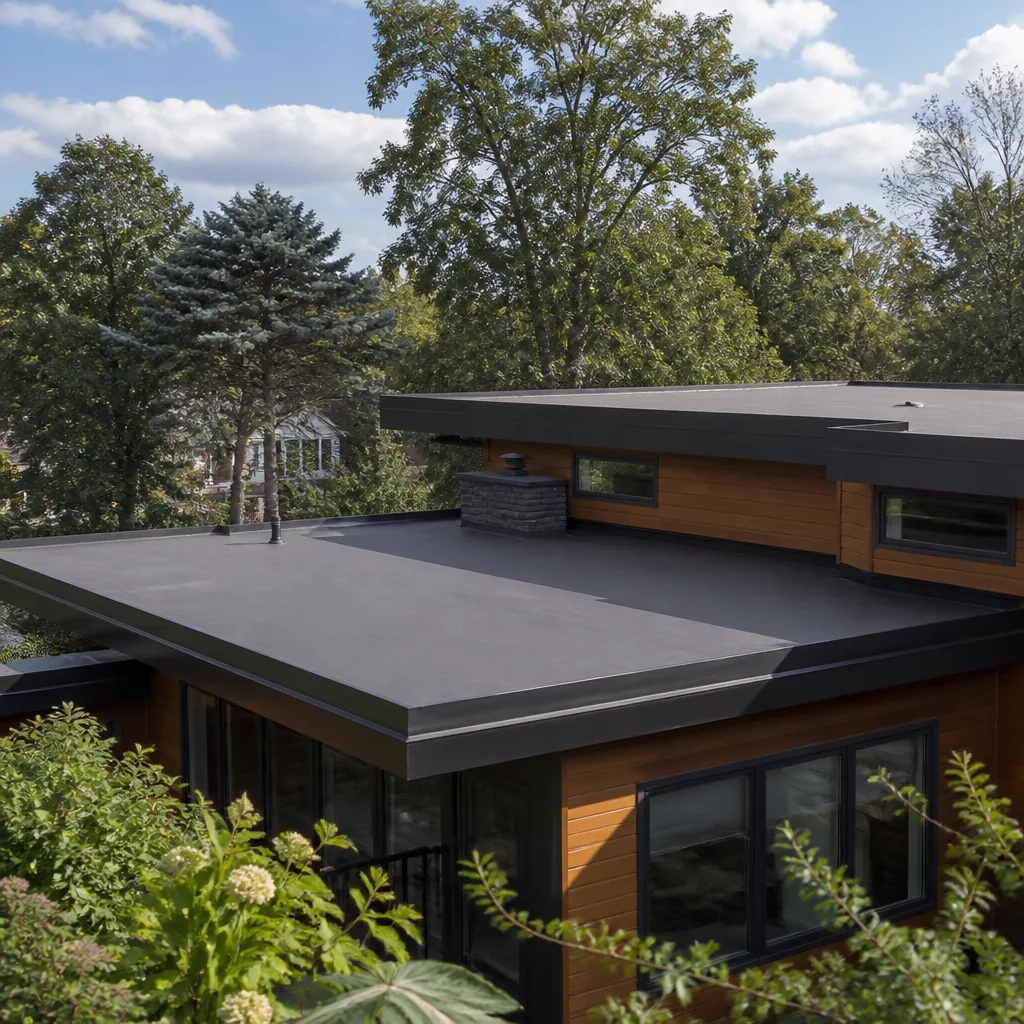 Flat & low-slope
Free roof inspection with deck photos before we talk money - GAF and Owens Corning certified installation
Owens Corning Underlayment & Deck Repair: The Long Beach Owner’s Guide
We stock and install Owens Corning-compatible underlayment and deck repair materials across Long Beach, with most underlayment replacement jobs running between $1,800 and $4,600 depending on roof size, deck condition, and the specific Owens Corning product line you’re matching. We typically complete underlayment replacement on most Long Beach homes within one to two working days once materials are confirmed. Most homeowners discover the underlayment or decking has failed when they spot water staining on the ceiling, feel a soft spot underfoot in the attic, or during a re-roof when the old shingles come off and the deck underneath tells a story the shingles were hiding.
Underlayment is the waterproofing layer that sits between your roof deck and your shingles, and when it fails in Long Beach, it usually fails quietly. The marine layer off the Pacific keeps moisture cycling through roofing materials more often than inland homes ever see, and Owens Corning underlayment, while well built, still has a service life. The deck boards beneath it, usually plywood or OSB, absorb what the underlayment lets through, and that’s when a simple material swap becomes a deck repair.
Which Owens Corning Models This Applies To
Owens Corning manufactures several underlayment lines under the Deck Defense, WeatherLock, and RhinoRoof names, and each has a different attachment method and compatibility range. Deck Defense synthetic underlayment, for example, is a high-traction woven product designed for peel-and-stick applications over the whole deck, while WeatherLock Flex is a self-adhered ice and water barrier meant for eaves, valleys, and penetrations rather than a full-deck application. We see a lot of Long Beach homes where a previous contractor used WeatherLock across the entire roof deck, which works but costs more than it needs to and can make future deck inspection harder because the membrane bonds tightly to the sheathing.
If you’re trying to identify which Owens Corning underlayment you have, check the edge of the roll that’s visible in your attic or at the eave line. The product name is printed on the membrane itself, and most rolls will also carry an installation date code. For deck repair compatibility, the key measurement is the thickness of your existing sheathing: Long Beach homes built before 1990 often have 1/2-inch plywood, while newer builds typically use 7/16-inch or 15/32-inch OSB. We match the replacement decking to the existing thickness so shingle lines stay flush. We’re an independent roofing contractor in Long Beach, not affiliated with Owens Corning, which means we can honestly tell you when an aftermarket equivalent underlayment performs as well as the Owens Corning-branded product and when it doesn’t. In our experience, the Owens Corning Deck Defense line is worth matching exactly when you’re repairing a portion of the roof but leaving the rest intact, because patch jobs with different materials create visible seams and uneven traction for the crew working above.
Styles & brands we work with
Signs Your Owens Corning Underlayment & Deck Repair Is Failing
- Water staining on ceilings or walls after moderate rain, not just heavy storms. When underlayment fails, water moves through the deck and into the attic space more quickly than a full shingle failure would suggest. The stain usually appears in a wide, diffuse pattern rather than a single drip point, because the water is spreading across the deck before finding a seam to drop through.
- A musty or earthy smell in the attic after foggy mornings. Long Beach’s marine layer condenses on the underside of failed decking, and that moisture feeds a distinct mildew smell long before visible mold appears. If the smell is stronger in the morning and fades by afternoon, that’s the daily moisture cycle doing its work.
- Spongy or soft spots when you walk the roof deck, or visible sagging between rafters when viewed from inside the attic. This means the decking itself has absorbed enough water to lose structural strength, and by this point the underlayment above it has been compromised for months. Replacement of the deck board is required, not just the membrane.
- Granules from the shingles collecting in gutters at a faster rate than normal. Owens Corning shingles shed granules as they age, but accelerated granule loss often means the underlayment below is shifting or failing, causing the shingle mat to flex more than it should. The shingles break down faster when the deck beneath them moves.
- Rusted or lifted flashing at valleys, chimneys, or plumbing penetrations. Owens Corning underlayment is designed to work in concert with flashing, and when the flashing fails first, water gets under the underlayment where it can’t escape, delaminating the membrane from the deck. You’ll see the roof edges near those penetrations start to look “puffy” from the ground.
None of these conditions reverse themselves, and the longer the deck boards stay wet, the more replacement material gets pulled into the job. A $2,000 underlayment swap becomes a $4,500 deck repair plus underlayment once rot spreads across rafters.
See the difference
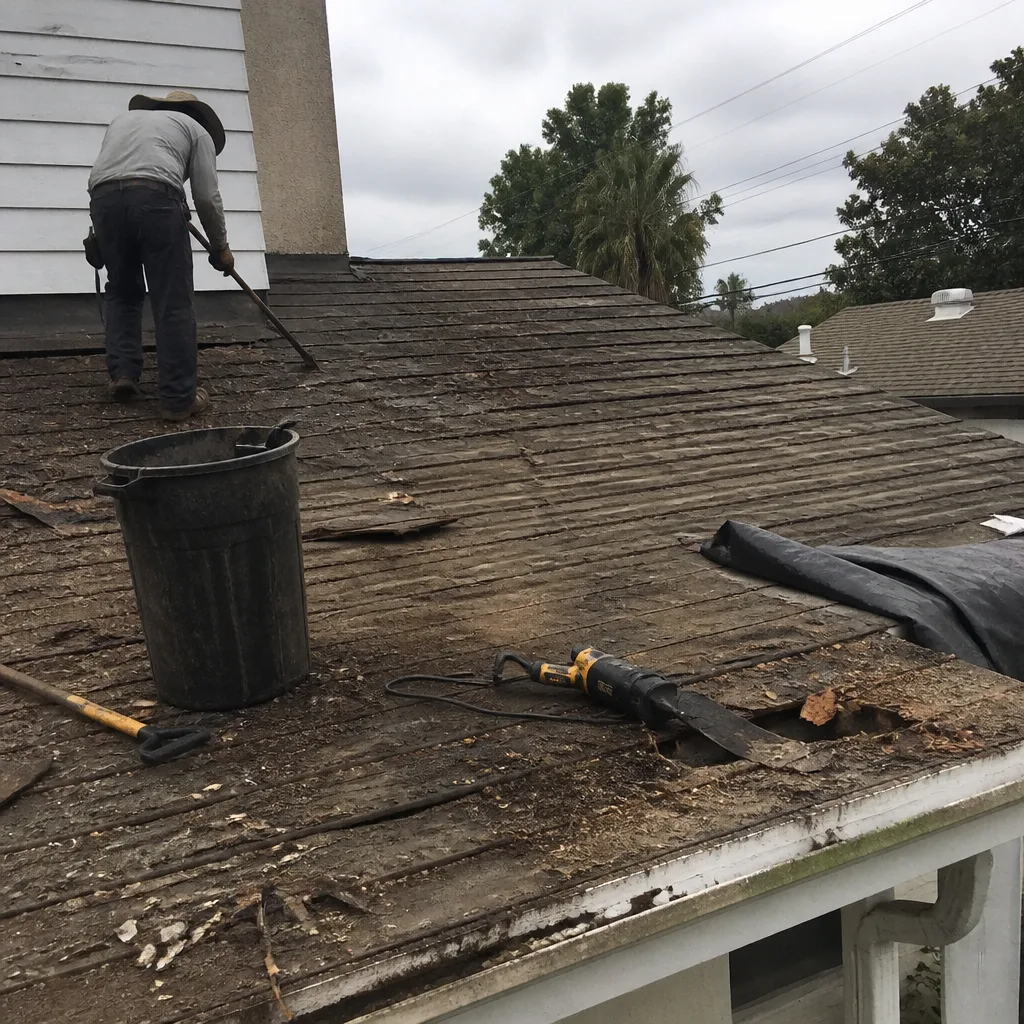 Before
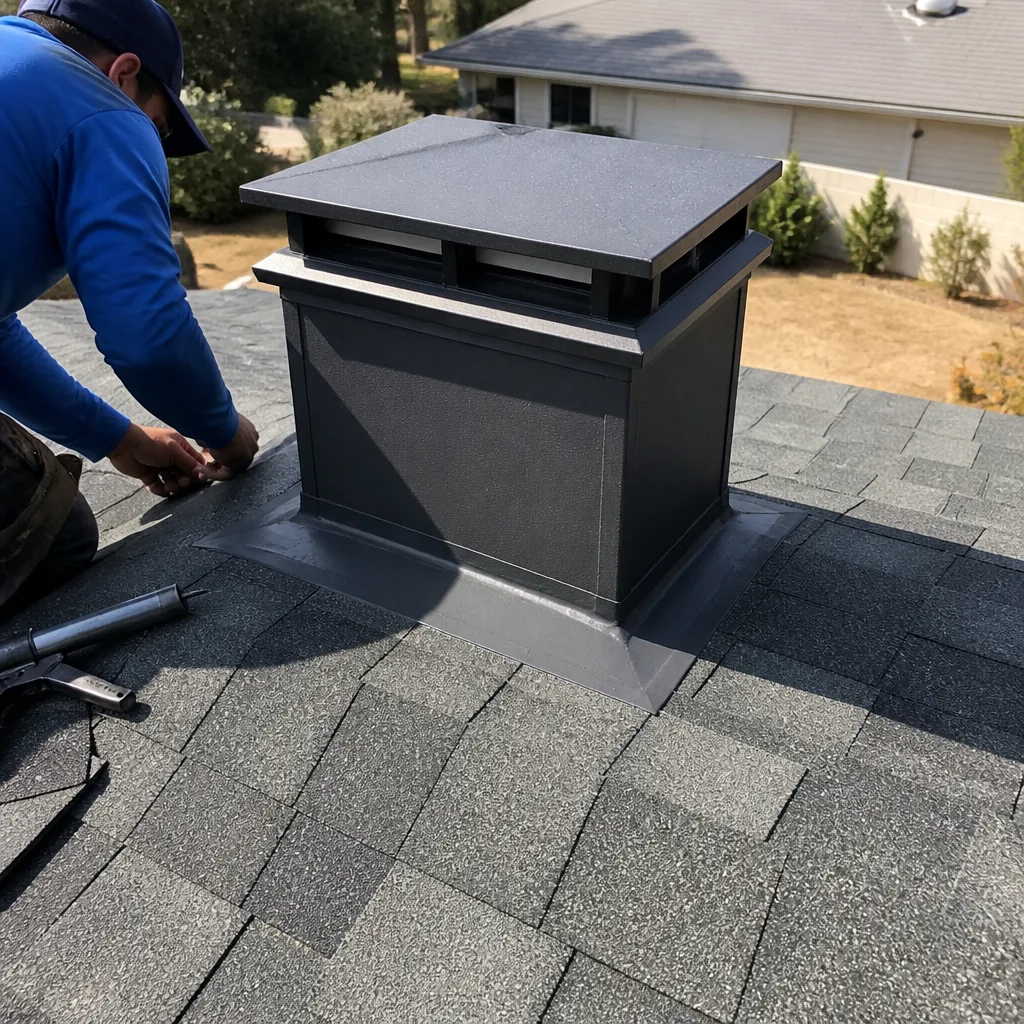 After
After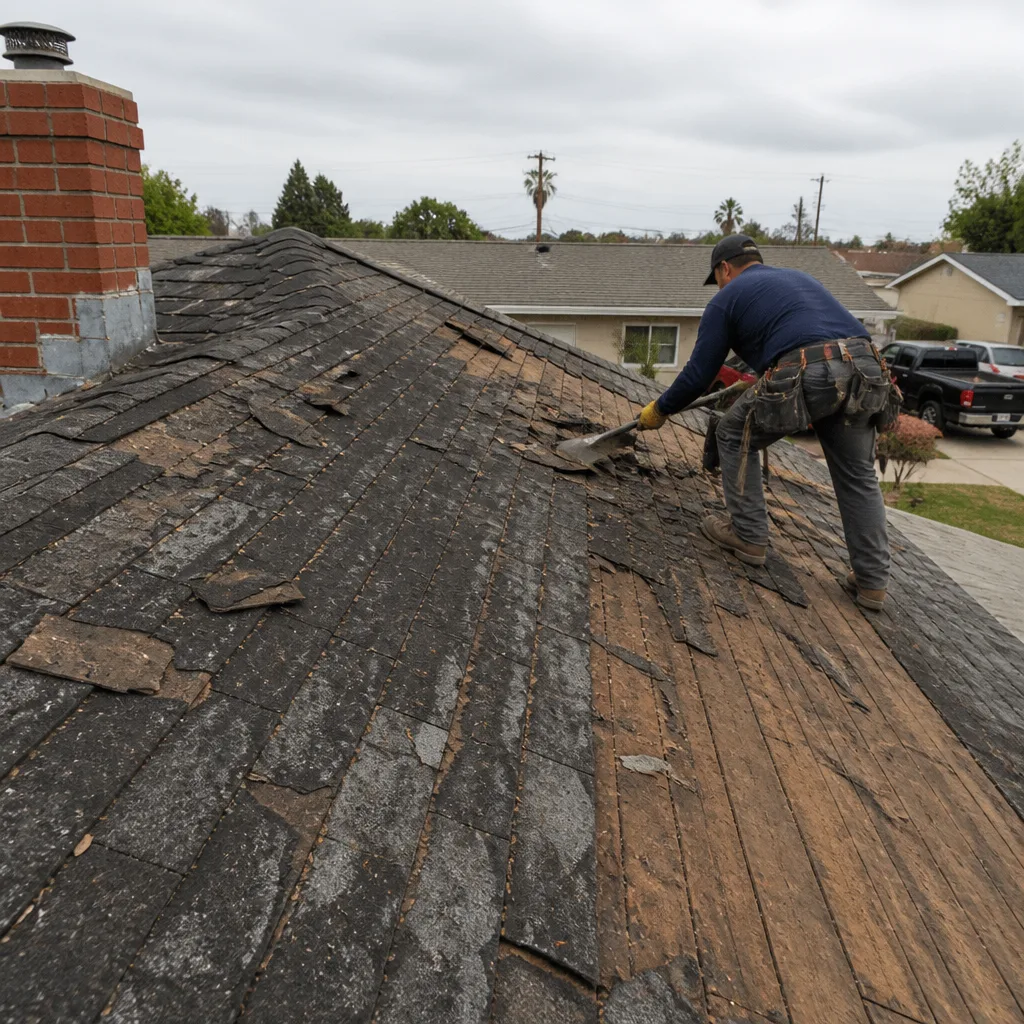 Before
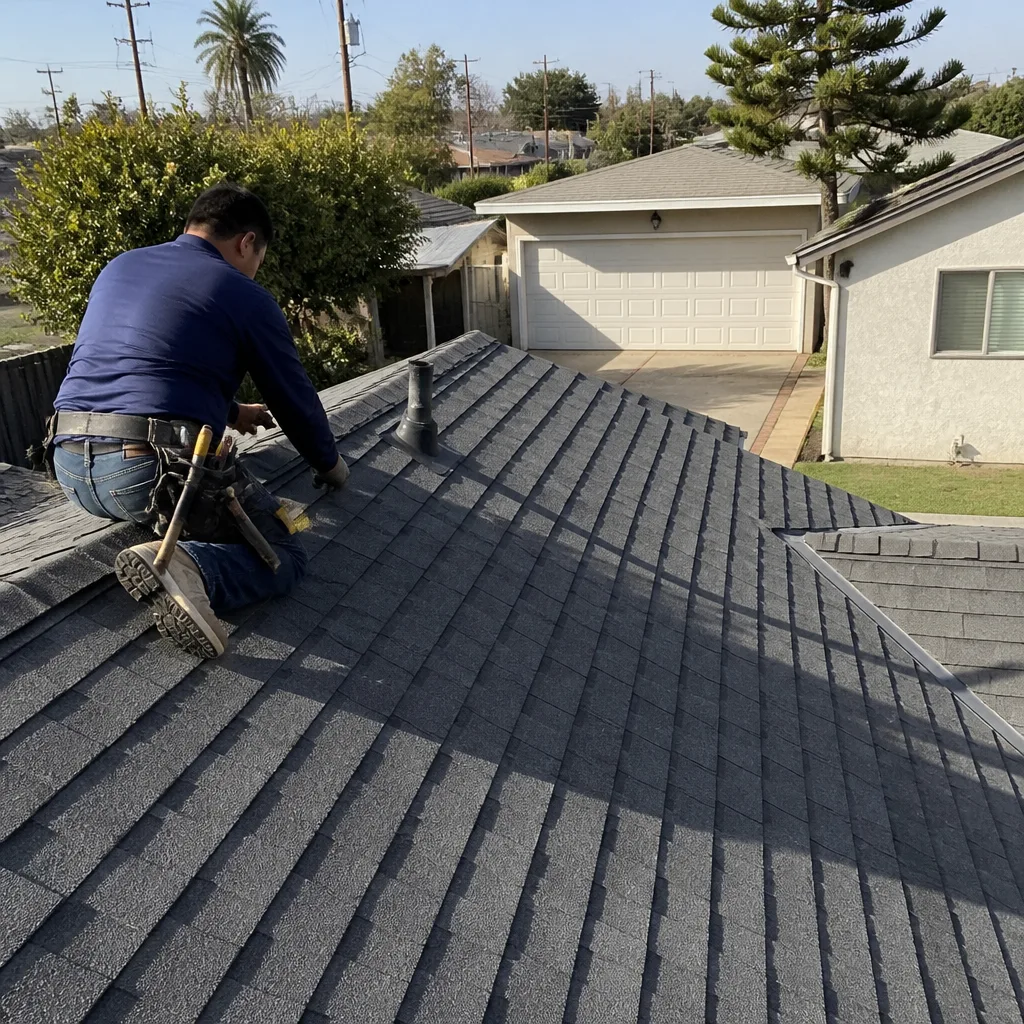 After
After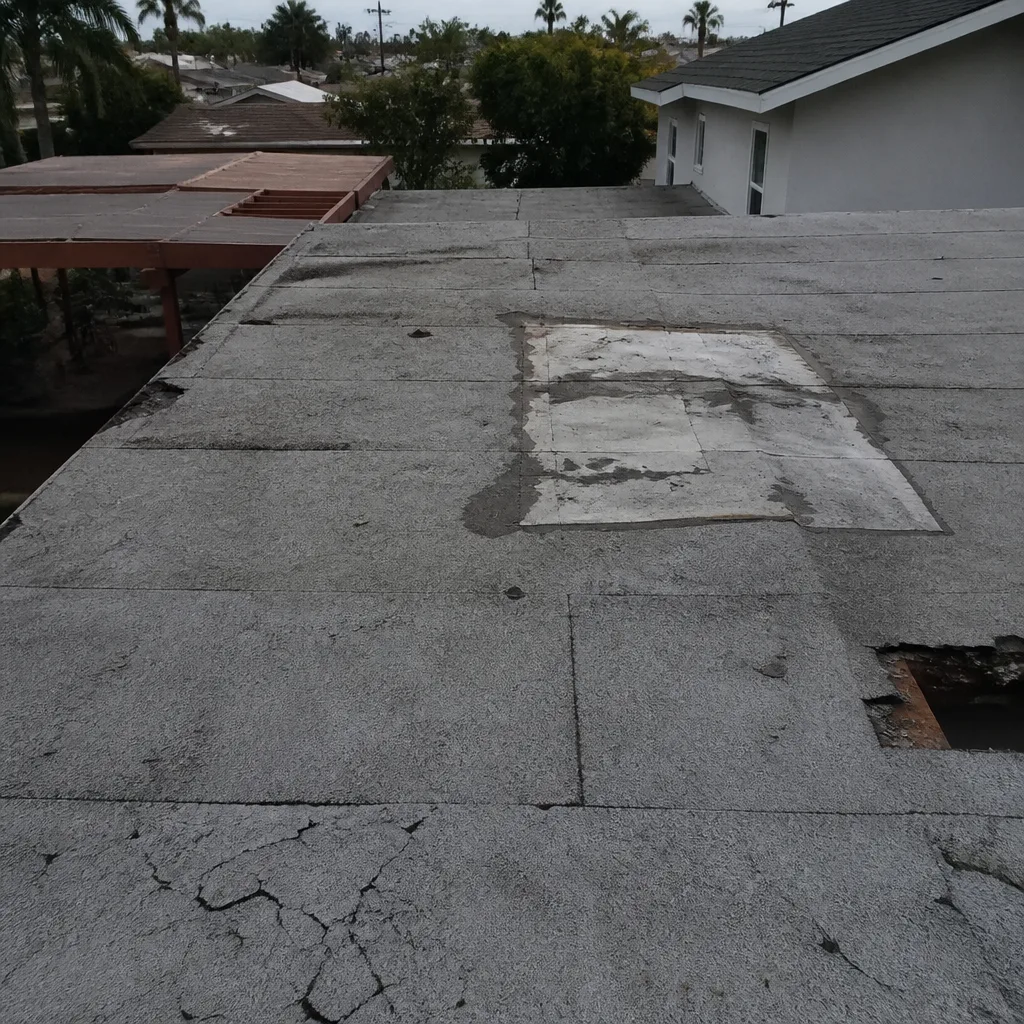 Before
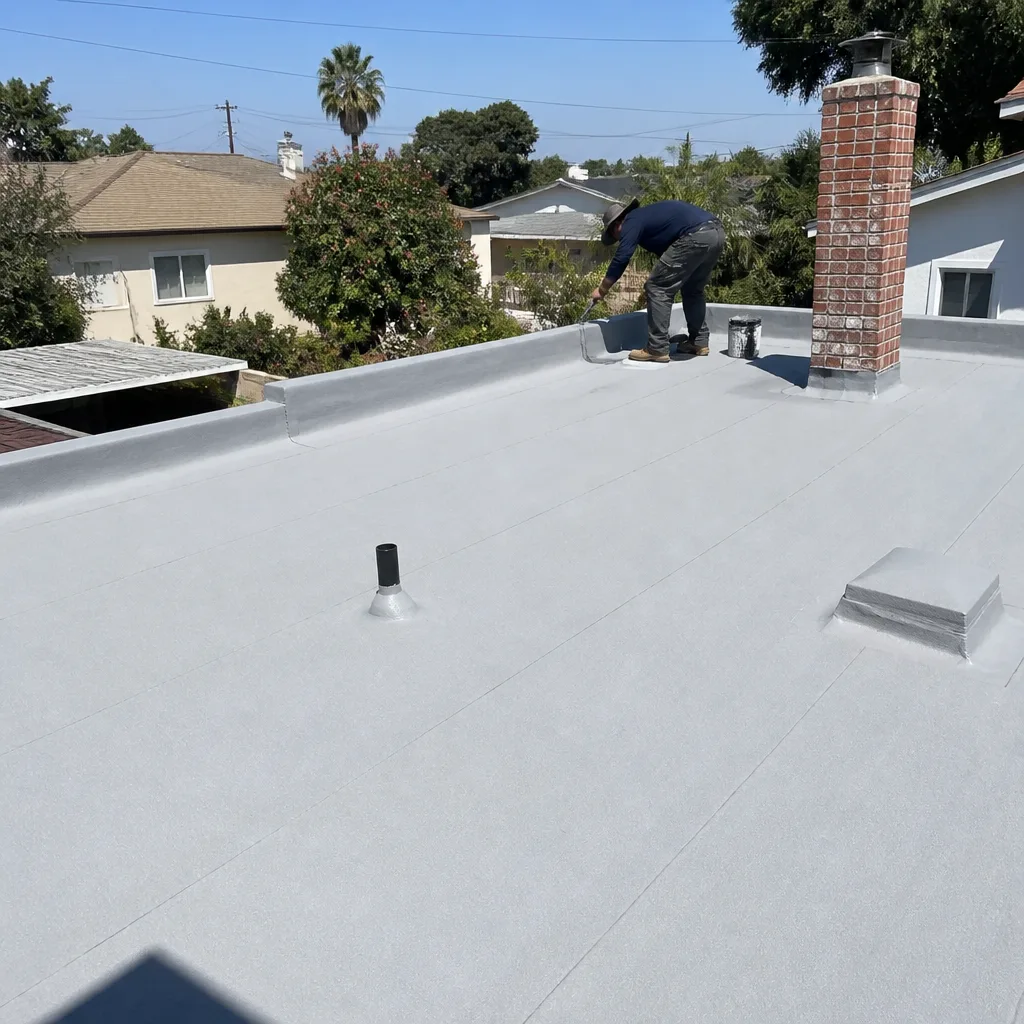 After
AfterReplacement Cost & What’s Included
Most Owens Corning underlayment replacement jobs on Long Beach homes run between $1,800 and $3,400 for a full roof deck underlayment removal and replacement, including new fasteners, edge metal where needed, and full cleanup. When deck repair gets added, costs typically land between $2,800 and $4,600 depending on how many sheets of plywood or OSB need to come out, how much water has worked into the rafters, and whether the existing shingles can be salvaged or need full replacement. You’ll see your exact number in writing before anyone climbs a ladder, and that price includes the underlayment material itself, the deck boards we replace, all labor, and the disposal of the old material, because leaving debris on your property costs a lot more than a line item on a dump ticket.
What drives the range: roof pitch (steeper roofs take longer and require fall protection setup that flatter roofs don’t), the number of penetrations like vents, skylights, and chimneys that need re-flashing, and whether your Owens Corning underlayment is adhesive-backed or mechanically fastened. Adhesive-backed removal is slower because the membrane doesn’t let go of the deck, and we sometimes have to replace deck boards simply because pulling the membrane destroys the surface. Every underlayment and deck repair we do in Long Beach carries the 365-Day Done Right Promise: if the work isn’t right a year later, we come back and make it right at no charge. The price we write before the job starts is the price you pay, no change orders unless you ask for additional work after seeing what we found beneath the shingles.
DIY or Call Us?
You can safely identify the type of Owens Corning underlayment you have by checking the printed label at the eave or in the attic, and you can check for soft deck boards by walking the roof carefully in soft-soled shoes or pressing a broom handle against the underside of the deck from inside the attic. That’s where the safe DIY work ends. Underlayment replacement means pulling shingles, working at height, and handling materials that weigh more than most people expect. Falls from roofs are the leading cause of serious construction injuries in the United States, and the roof is not the place to learn technique by trial.
The deck repair side of this job is where we most often see DIY efforts go wrong. Homeowners replace the soft section of deck board but don’t check the rafters beneath for rot, don’t block the seam correctly where the new sheet meets the old, and don’t account for the fact that the new Owens Corning underlayment won’t bond well to a deck surface with old adhesive residue. We fix a lot of jobs in Long Beach that started as a weekend project and ended with a bigger water stain than the one that prompted the work. Call us at (562) 512-7366 and we’ll walk the roof with you, show you exactly what’s failed and what’s still sound, and put the number in writing. Erik Lindgren grew up learning to take a roof apart and put it back together, and he still walks every deck repair job himself in Long Beach, including a stretch of older bungalows near Belmont Shore where the salt air works on flashing if it isn’t seated exactly right.
FAQs
Owens Corning Deck Defense and WeatherLock underlayment typically lasts 15 to 25 years in Long Beach’s coastal climate, but the marine layer, occasional heavy rain, and UV exposure at roof edges and flashing points can shorten that on south-facing and west-facing roof slopes. The underlayment fails most often at penetrations and valleys before the open field of the roof, because those are the points where water volume concentrates. If your home is within a few miles of the water along the Long Beach shoreline, check the flashing and underlayment edges every few years, because salt air accelerates metal fatigue at the very points where underlayment depends on it. Call (562) 512-7366 for a roof walk and we’ll tell you honestly whether your underlayment has another five years or is already done.
Underlayment can be patched when the failure is limited to a single penetration, a valley, or a small area of mechanical damage, and that patch will hold as long as the surrounding deck is sound and the seam is sealed correctly under the new Owens Corning-compatible material. But once the failure covers more than a few square feet, or the deck below shows moisture damage, a full replacement is cheaper in the long run than chasing leaks one patch at a time. We never recommend a patch over rotted decking, because the new underlayment will simply fail again where the deck flexes beneath it. Call (562) 512-7366 and we’ll give you a straight answer on whether a patch makes sense for your roof, with the price written before any work starts.
Most underlayment replacement on a typical Long Beach home takes one working day from tear-off to clean-up, and when deck repair is added, the job usually runs two working days. Adhesive-backed Owens Corning membrane removal adds time because the material doesn’t release cleanly from the deck, and steeper roofs in neighborhoods like Signal Hill or the hills above Cal State Long Beach move slower because the crew is managing fall protection while working. We’ll give you a schedule in writing before we start, and you’ll know exactly what’s happening on your roof each day. Our crew uses shoe covers at the door, drop cloths through any interior access path, and we photograph the completed clean-up before we leave your Long Beach home.
We keep Owens Corning Deck Defense synthetic underlayment, WeatherLock Flex ice and water barrier, and 7/16-inch and 15/32-inch OSB decking on our trucks in Long Beach, along with the fasteners, edge metal, and sealants matched to Owens Corning’s installation specs. For full roof replacements we order the exact underlayment panel count for your roof before the tear-off day, so no one has to leave your job site mid-morning to chase materials. We also work with underlayment and deck products from GAF and CertainTeed, so if your Long Beach roof carries a different brand, we match that instead of making a patchwork out of whatever’s on the truck. Call (562) 512-7366 for a free estimate and we’ll show you the material options in writing.
Written by Erik Lindgren, Owner, Birchbark Roofing Long Beach at Birchbark Roofing Long Beach, serving Long Beach and nearby areas.