
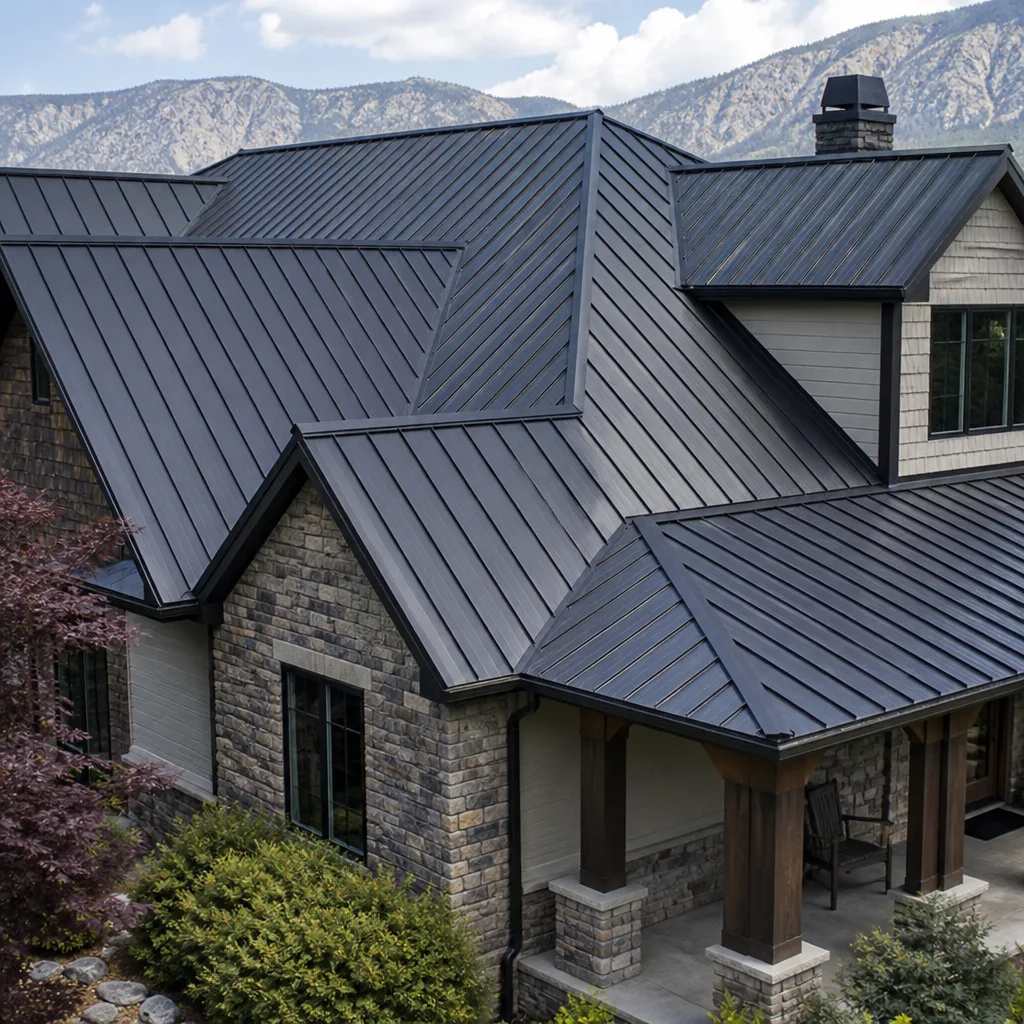
 Metal roofing
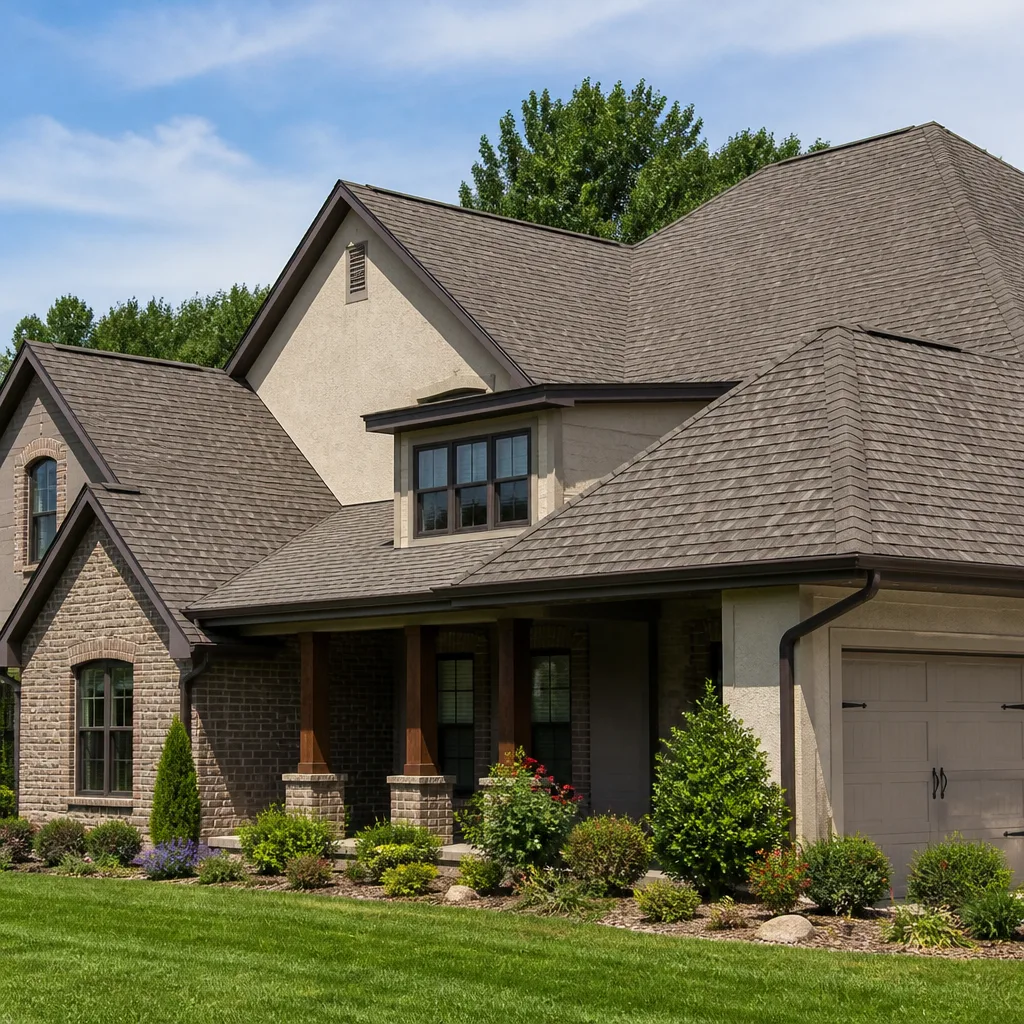 Architectural shingles
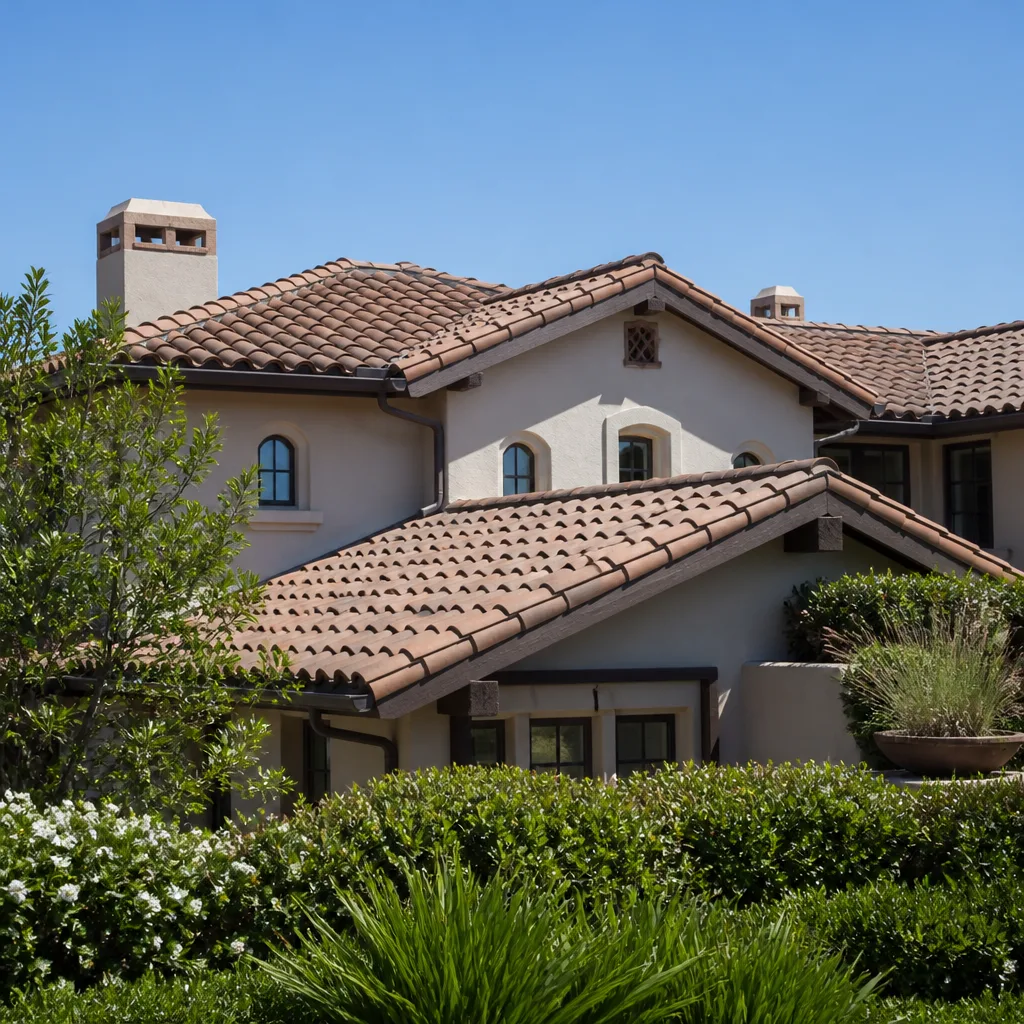 Tile roofing
 GAF
GAF Owens Corning
 Flat & low-slope
Free roof inspection with deck photos before we talk money - GAF and Owens Corning certified installation
CertainTeed Flashing Replacement: The Long Beach Owner’s Guide
Replacing failed flashing on a CertainTeed roof in Long Beach typically runs between $350 and $900 installed, depending on how many linear feet are involved and whether we’re working around chimneys, skylights, or wall intersections. We stock CertainTeed-compatible flashing on our trucks, so most jobs are done in a single visit, same day. The usual discovery point is a water stain on the ceiling after the first real rain of the season, or granules collecting in a gutter near a valley.
Flashing fails quietly. It’s the thin metal or membrane material that bridges the gap between your CertainTeed shingles and anything that pokes through the roof or changes its angle. Salt air off the Long Beach harbor accelerates corrosion on exposed flashing, especially on homes in Naples, Belmont Shore, and the Peninsula where the marine layer lingers well into the afternoon. By the time water shows up inside, the flashing has usually been compromised for a season or two.
Erik Lindgren has been walking Long Beach roofs for the better part of two decades, and he’ll tell you the same thing he tells every homeowner: flashing is the first thing to go, and it’s the last thing most people check. The good news is that a flashing replacement, done right, is one of the more straightforward repairs on a CertainTeed roof.
Key takeaways:
- We stock CertainTeed-compatible flashing in common sizes and can source exact OEM matches within a day
- Most flashing replacement in Long Beach runs $350 – $900 installed; you’ll see a written price before we start
- We’re an independent roofing company, not affiliated with CertainTeed, but we work with their materials daily
- Every job includes shoe covers, drop cloths, and a photo of the completed clean-up before we leave
Which CertainTeed Models This Applies To
CertainTeed flashing isn’t a one-size-fits-all product. Walk into any supply house and you’ll find flashing profiles sized and shaped for specific roof configurations, and CertainTeed’s own installation specs call for different approaches depending on whether you’re working against a Landmark shingle, a Presidential shake-style profile, or one of their flat/low-slope systems. The flashing itself is typically either corrosion-resistant aluminum, galvanized steel, or a flexible self-adhering membrane like CertainTeed’s WinterGuard or DiamondDeck products.
Here’s the compatibility gotcha most homeowners don’t know: CertainTeed’s warranty language is specific about flashing materials. If you want the shingle warranty to stay intact, the flashing work needs to be done to their published installation standards, and that means matching the right flashing profile to the right roof system. A stepped flashing detail against a brick chimney is different from a continuous L-flashing against stucco. We keep common sizes on the truck: 4-inch and 5-inch step flashing, 10-foot galvanized and aluminum L-flashing, and rolls of CertainTeed’s membrane flashing for valley and wall applications.
The OEM-vs-aftermarket question comes up in Long Beach more than you’d think, and it’s worth being honest about. CertainTeed doesn’t manufacture flashing as a branded, boxed product the way they do shingles. The flashing itself comes from metal fabricators and membrane manufacturers that meet CertainTeed’s installation specs. What matters is that the material is the right gauge, the right profile, and the right material for coastal exposure. Aluminum flashing within a mile of the ocean needs to be coated or it corrodes fast. Galvanized steel lasts longer but costs more. We stock both and choose based on what the specific location demands.
Styles & brands we work with
Signs Your CertainTeed Flashing Replacement Is Failing
- Water staining on ceilings or walls near chimneys, skylights, or roof-wall intersections. This is the classic first symptom. Water follows the path of least resistance, and a failed flashing lets moisture in at exactly these transition points. The stain often appears a foot or more away from the actual leak, which is why a roof walk matters.
- Lifting or curling metal flashing visible from the ground or a ladder. Thermal expansion and contraction works metal loose over time, especially in Long Beach where roofs cycle through hot afternoons and cool, damp marine-layer evenings. If you can see daylight under a flashing edge, water can get in.
- Rust or corrosion on flashing near the coast. Homes west of Redondo Avenue get salt-laden air that eats exposed metal. Once rust sets in, the flashing loses its ability to shed water and needs replacement, not paint.
- Granules in gutters directly below a valley or wall flashing. If the flashing has let water run under the shingles, the shingle edges deteriorate faster. Granule loss in a concentrated area is often the only external clue.
- Caulk or sealant cracking around flashing edges. A previous repair may have relied on sealant instead of a proper flashing detail. Sealant is a patch, not a fix. In Long Beach’s UV exposure, it breaks down within a couple of years and the leak returns.
See the difference
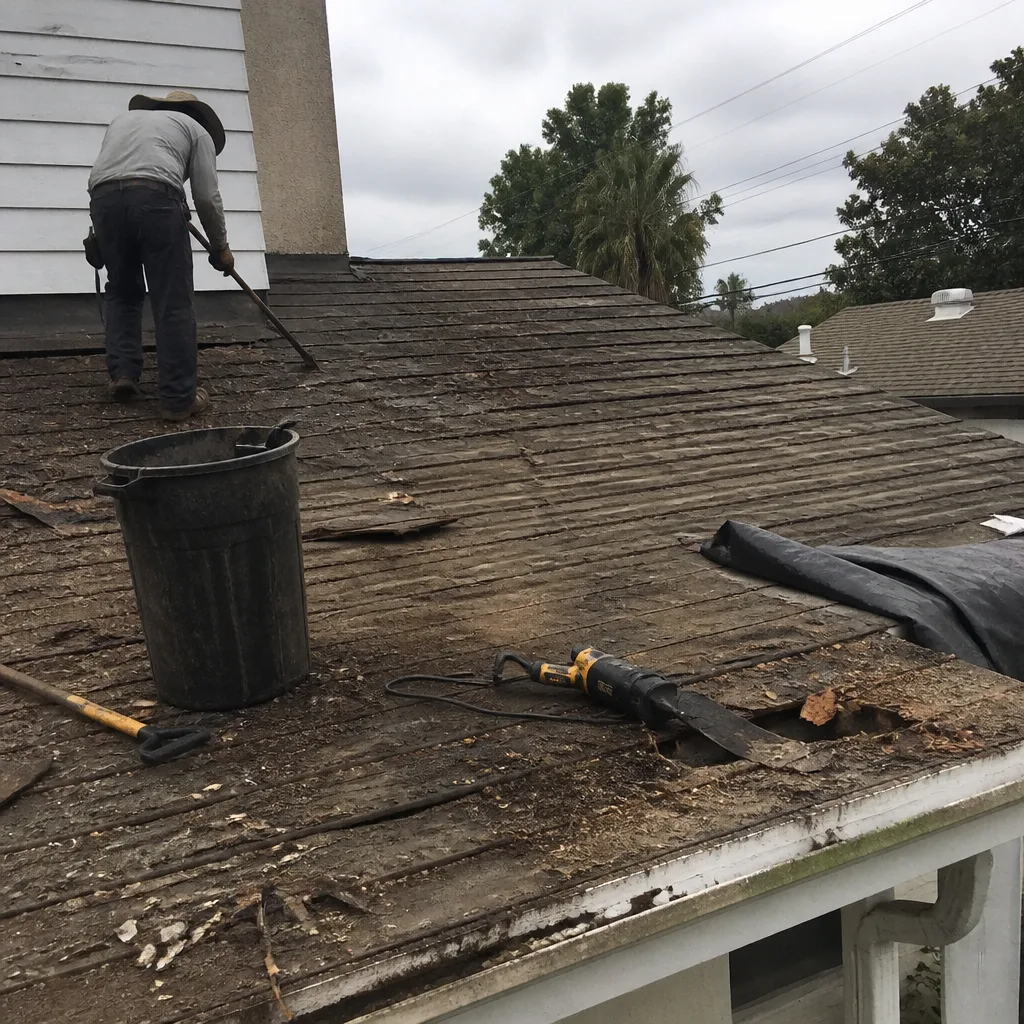 Before
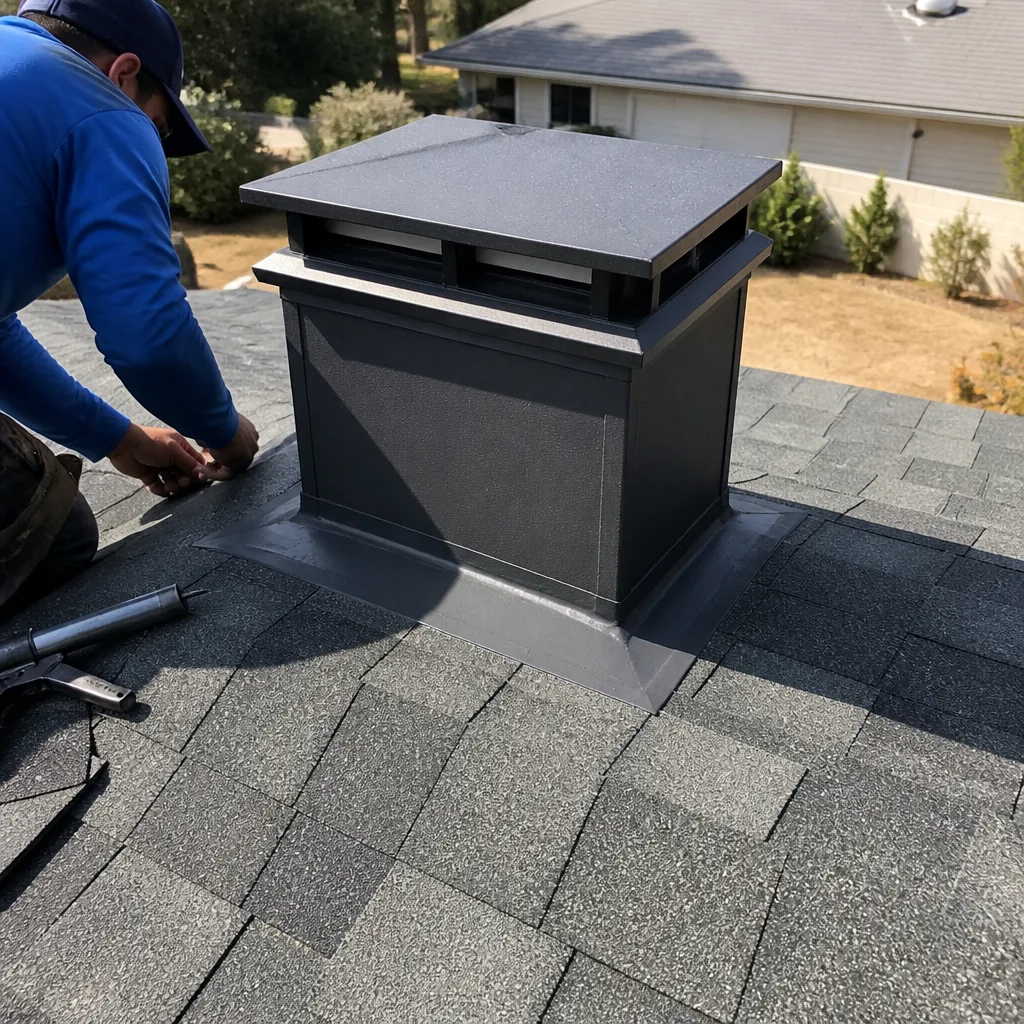 After
After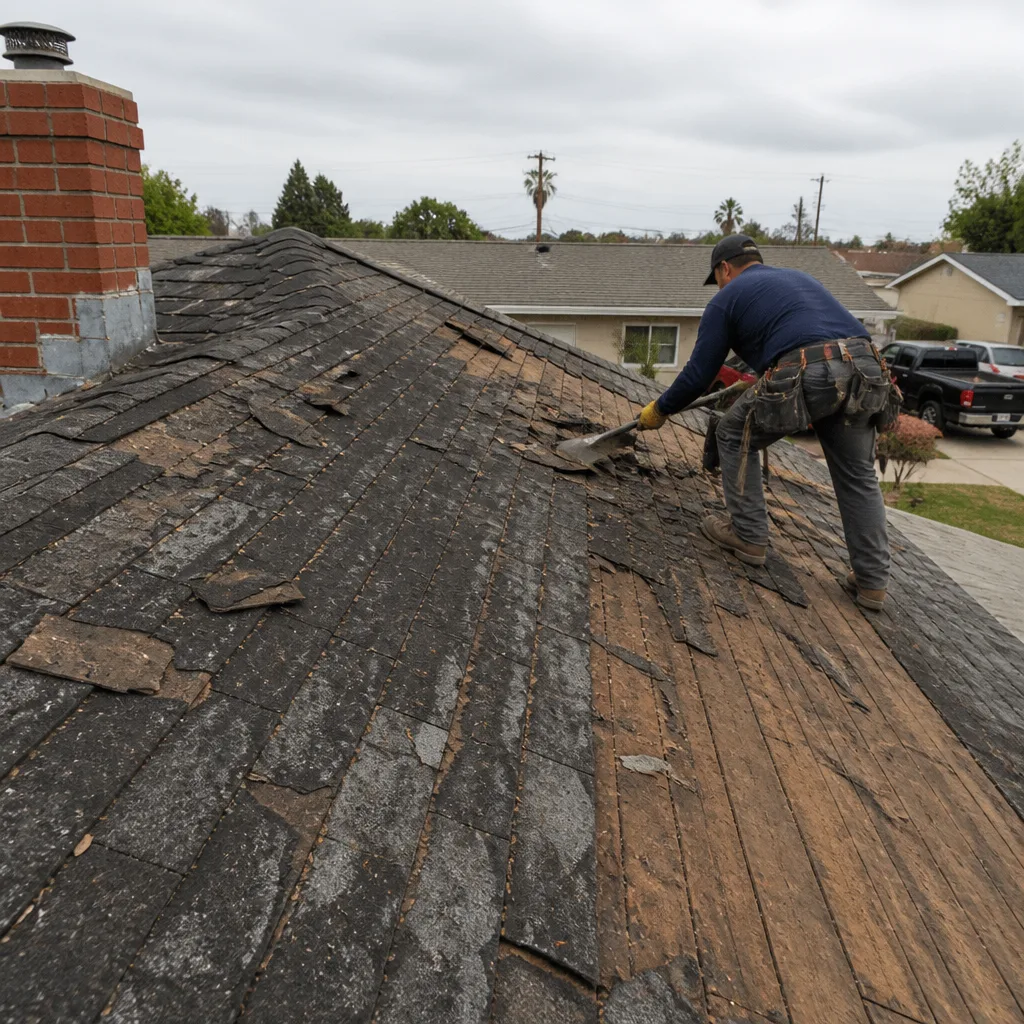 Before
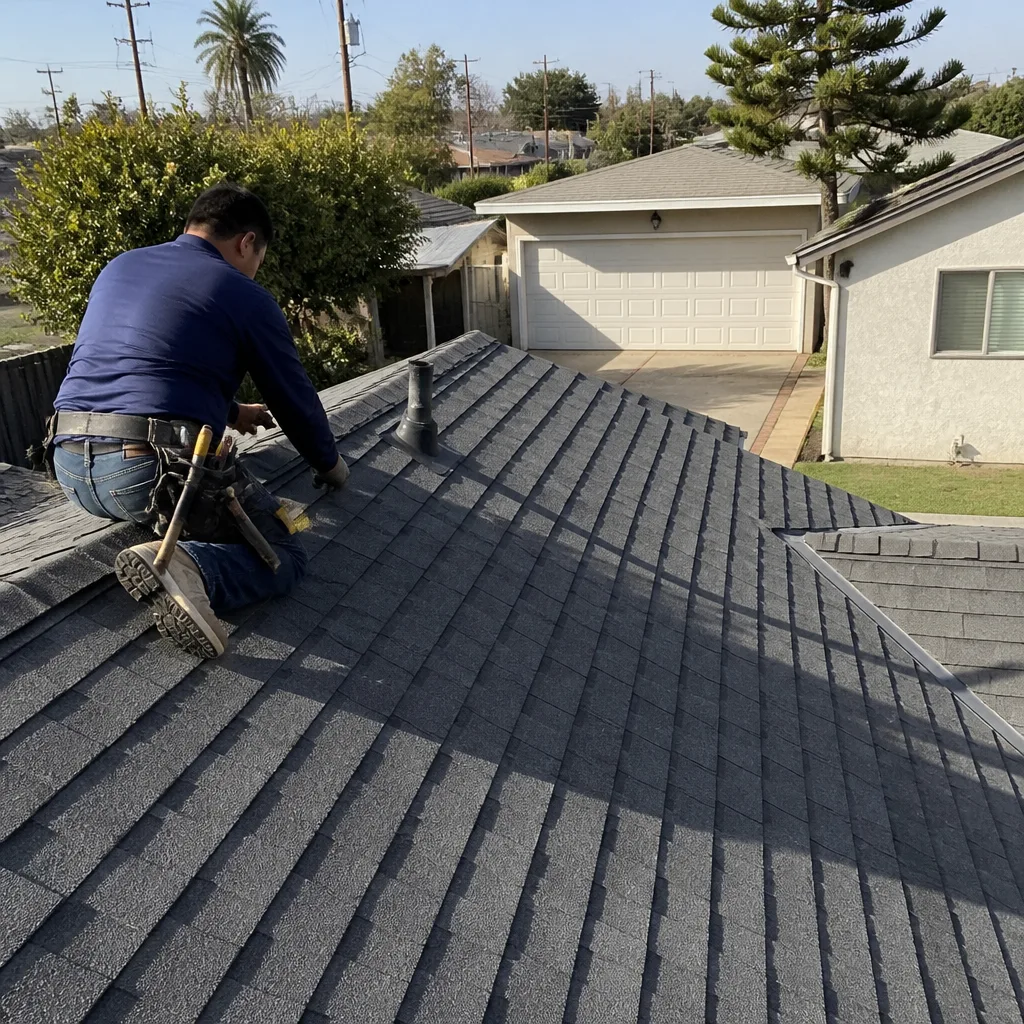 After
After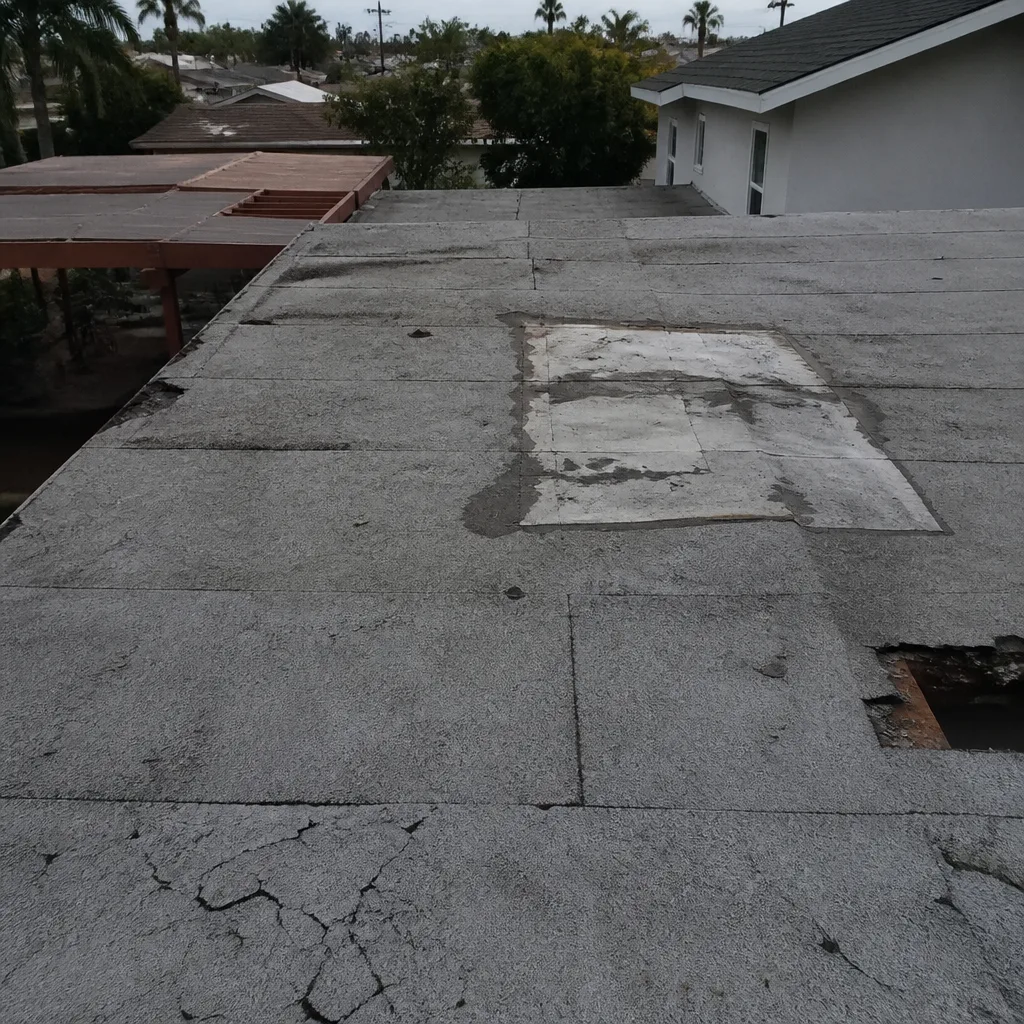 Before
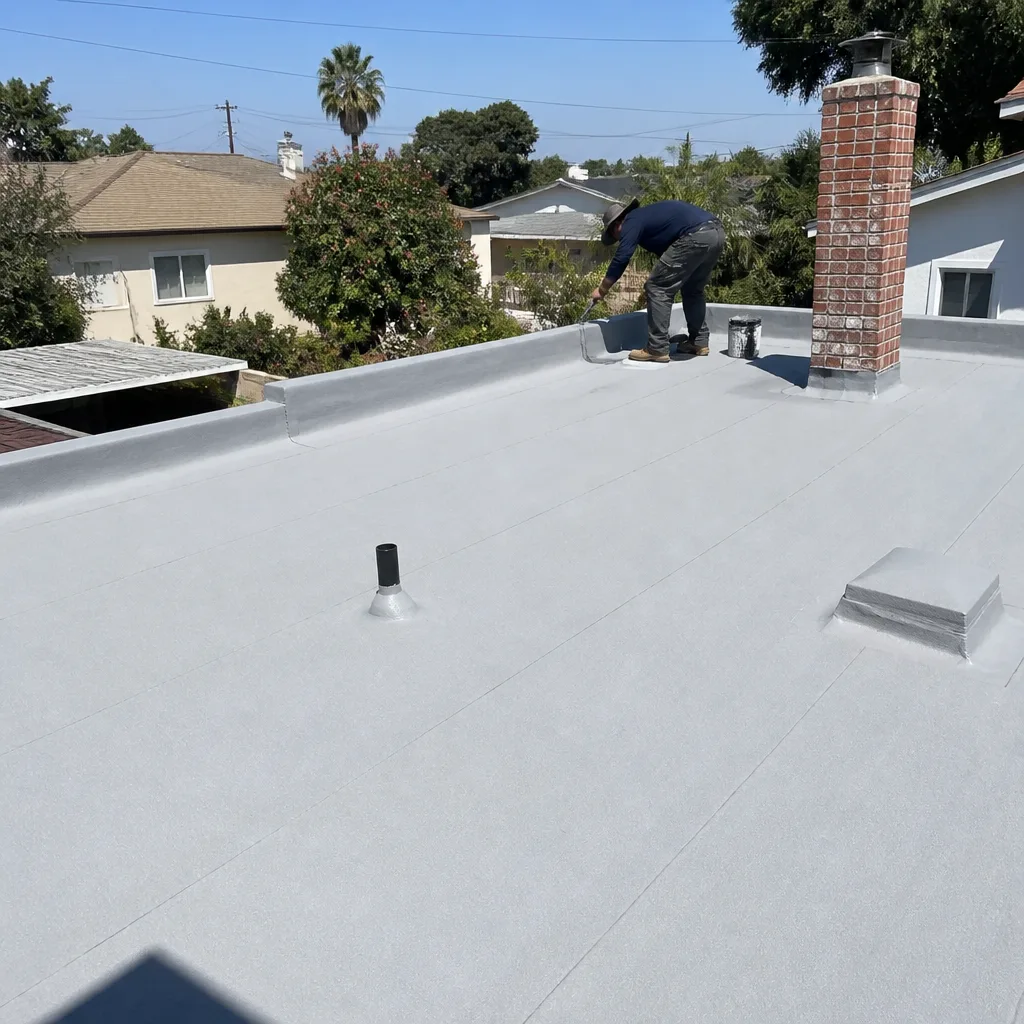 After
AfterReplacement Cost & What’s Included
In Long Beach, you can expect to pay between $350 and $900 for a typical flashing replacement, with most jobs landing around $500 to $650. Smaller repairs, like a section of step flashing along a chimney, sit at the lower end. Larger jobs, like replacing all the flashing on a roof-to-wall intersection or a skylight curb, push toward the top of that range. The variables are linear footage, whether we’re removing and resetting shingles to reach the flashing (usually yes), the material choice between aluminum, galvanized steel, or membrane, and how much prep work the existing condition requires.
Here’s how we price it: when you call, we schedule a roof walk at no charge. We take measurements, note the material and access conditions, and hand you a written price before anyone climbs a ladder. That’s where we start. The price covers the flashing material, the labor to remove and reset any affected shingles, new sealant where appropriate, and full clean-up. We don’t do change orders. If we find something unexpected while the shingles are off, we stop and explain it before spending a dollar more than what’s on the paper.
DIY or Call Us?
You can safely check a few things from the ground or a ladder: look for lifted flashing edges, visible rust, and any daylight showing through gaps at roof transitions. What you shouldn’t do is climb onto a steep Long Beach roof with a tube of caulk and try to patch a flashing joint. Roof work at height is how homeowners get hurt, and a failed patch job leaves you with the same leak plus a false sense of security. Flashing replacement requires pulling shingles, cutting metal to the right profile, and knowing how to layer materials so water always flows down and away. That’s not a weekend project.
If you’re seeing signs of flashing failure, call us at (562) 512-7366 for a free roof walk. We’ll tell you exactly what needs replacing and what can wait another season, and you’ll have a written price before any work starts.
FAQs
In Long Beach, metal flashing typically lasts 15 to 25 years depending on the material and proximity to salt air. Aluminum corrodes faster near the coast, while galvanized steel often exceeds 25 years if installed correctly. Membrane flashing products generally last 10 to 20 years, with consistent marine-layer moisture shortening the lifespan slightly compared to inland areas. Call (562) 512-7366 and we’ll assess the specific condition on your roof.
In most cases, no. Once flashing has lifted, corroded, or allowed water behind it, the proper fix is replacement. Sealant patches fail within a couple of years in Long Beach’s sun and salt air, and they don’t address the underlying water path. We’ll always tell you if a repair is viable, but on flashing, replacement is usually the honest answer. Call for a free roof walk and we’ll show you what we’re seeing.
A single-section flashing replacement usually takes 2 to 4 hours, including removing and resetting shingles, installing the new flashing, and cleaning up. Multiple locations or difficult access can extend the job to a full day. We’ll give you a clear time window on the written estimate.
We stock common flashing sizes and materials on our trucks, including step flashing, L-flashing, and membrane products that meet CertainTeed installation specs. If your project requires an unusual size or a specific fabricated profile, we can source it within a day from our Long Beach-area suppliers. We also keep parts for GAF and Owens Corning roofs, so if your roof mixes materials, we can handle it in one visit.
Ready to get this fixed? Call us at (562) 512-7366 for a free estimate and a written price before any work begins. A live person answers every call, day or night, and we’ll schedule your roof walk at a time that works for your family.
Written by Erik Lindgren, Owner, Birchbark Roofing Long Beach at Birchbark Roofing Long Beach, serving Long Beach and nearby areas.