
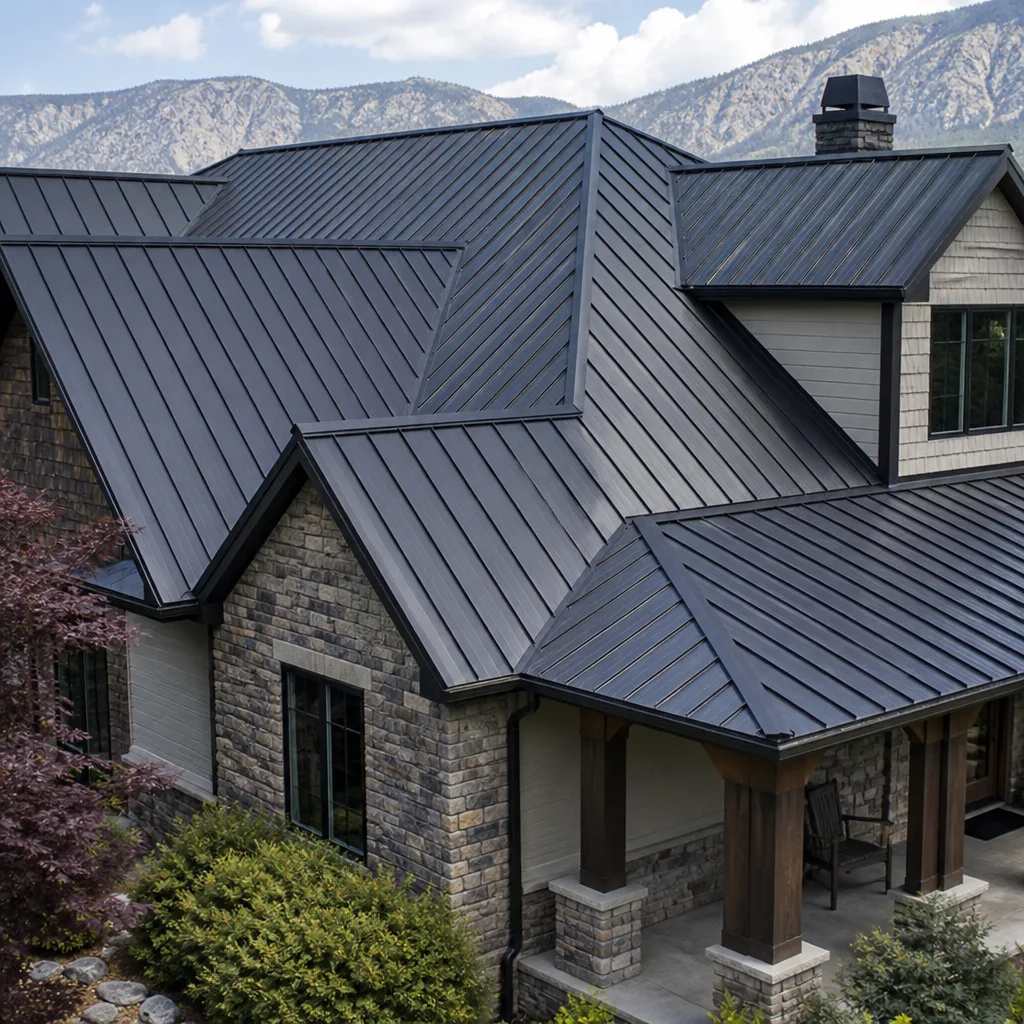
 Metal roofing
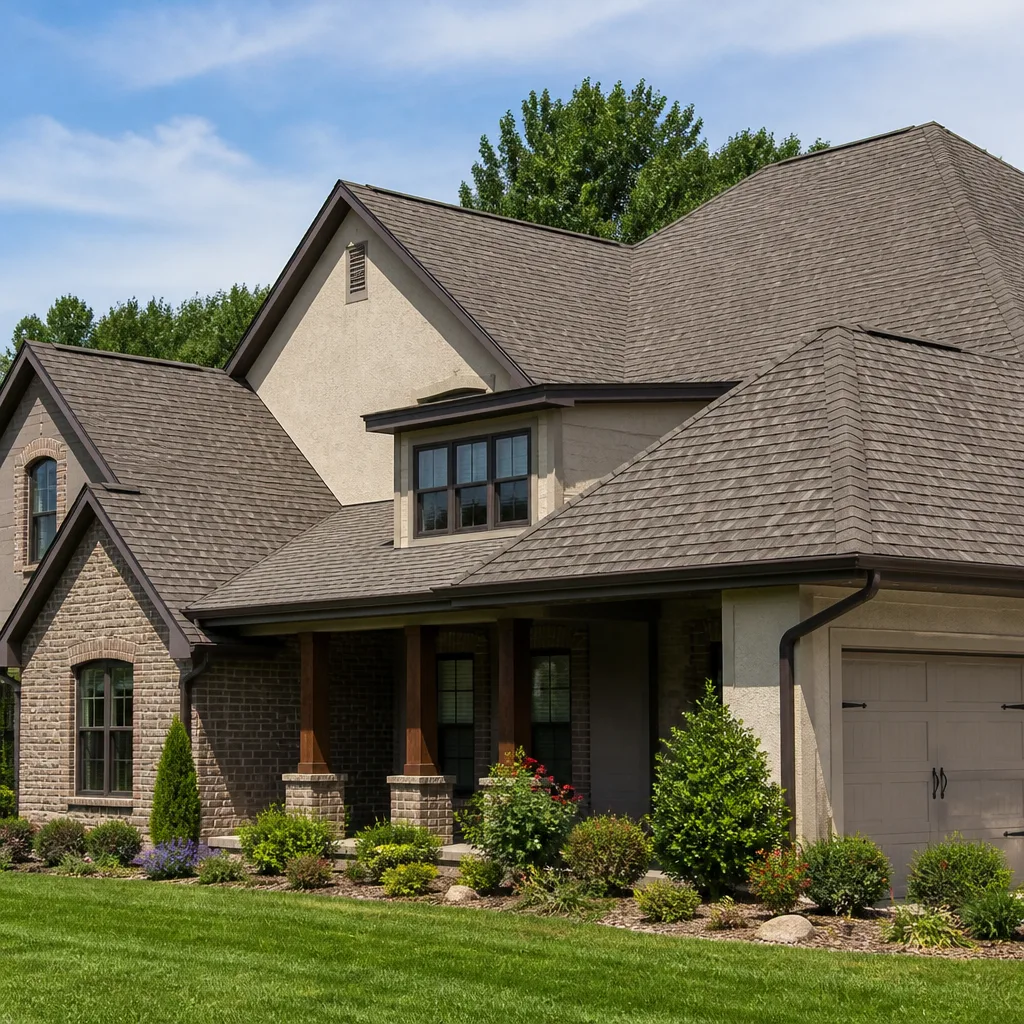 Architectural shingles
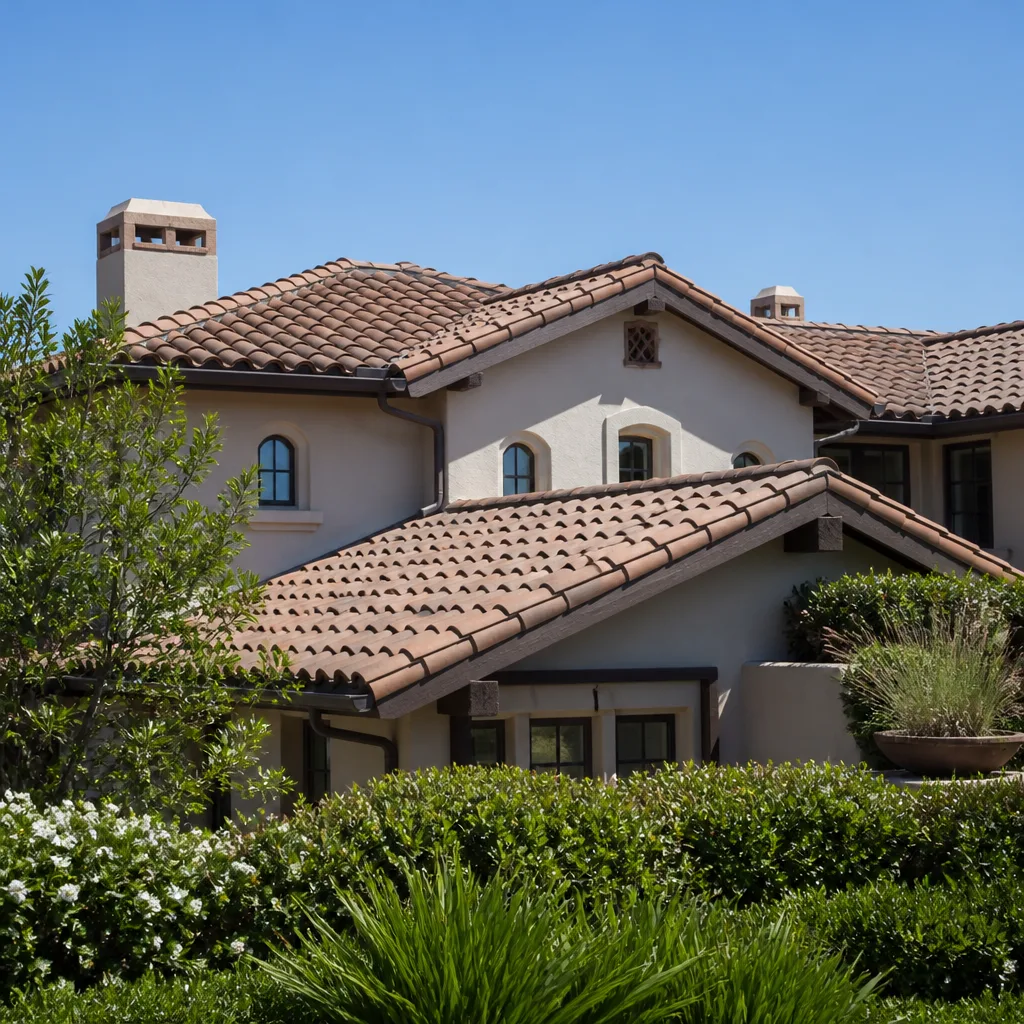 Tile roofing
 GAF
GAF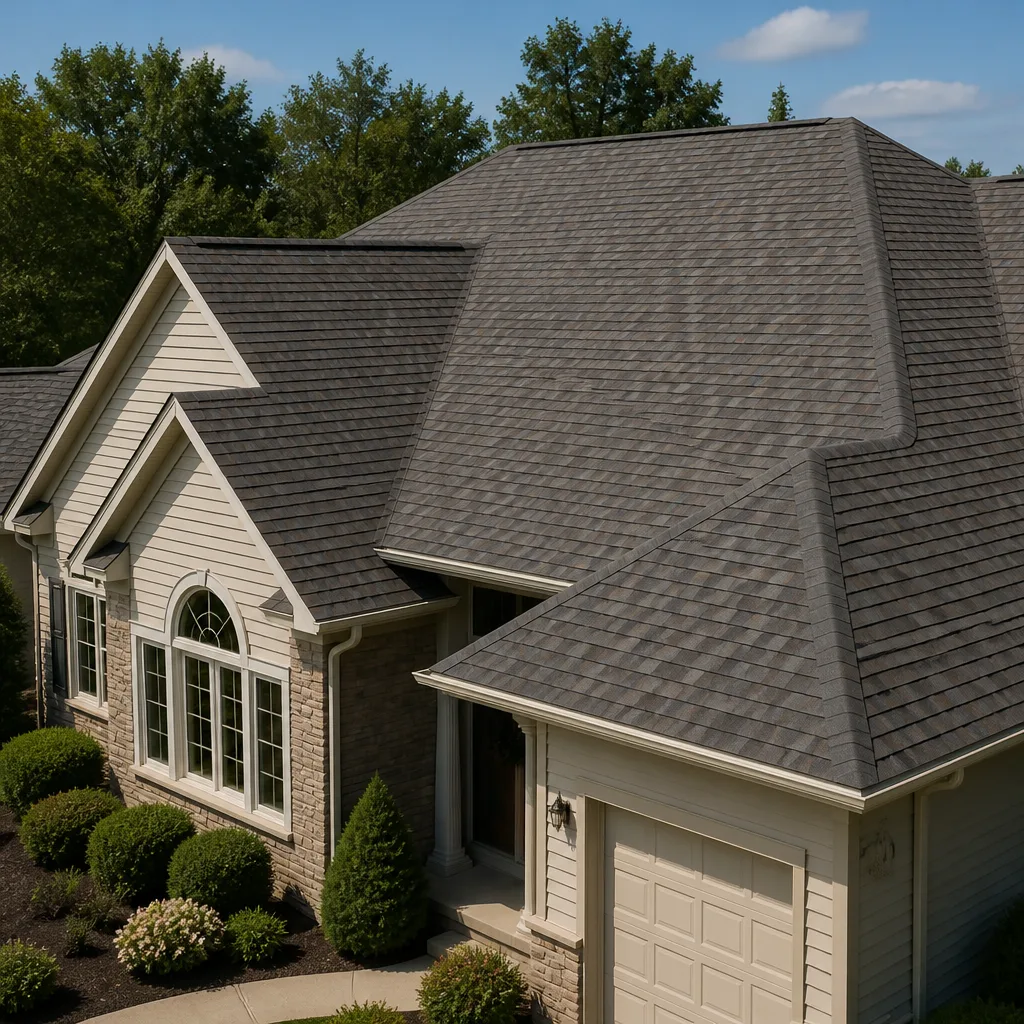 Owens Corning
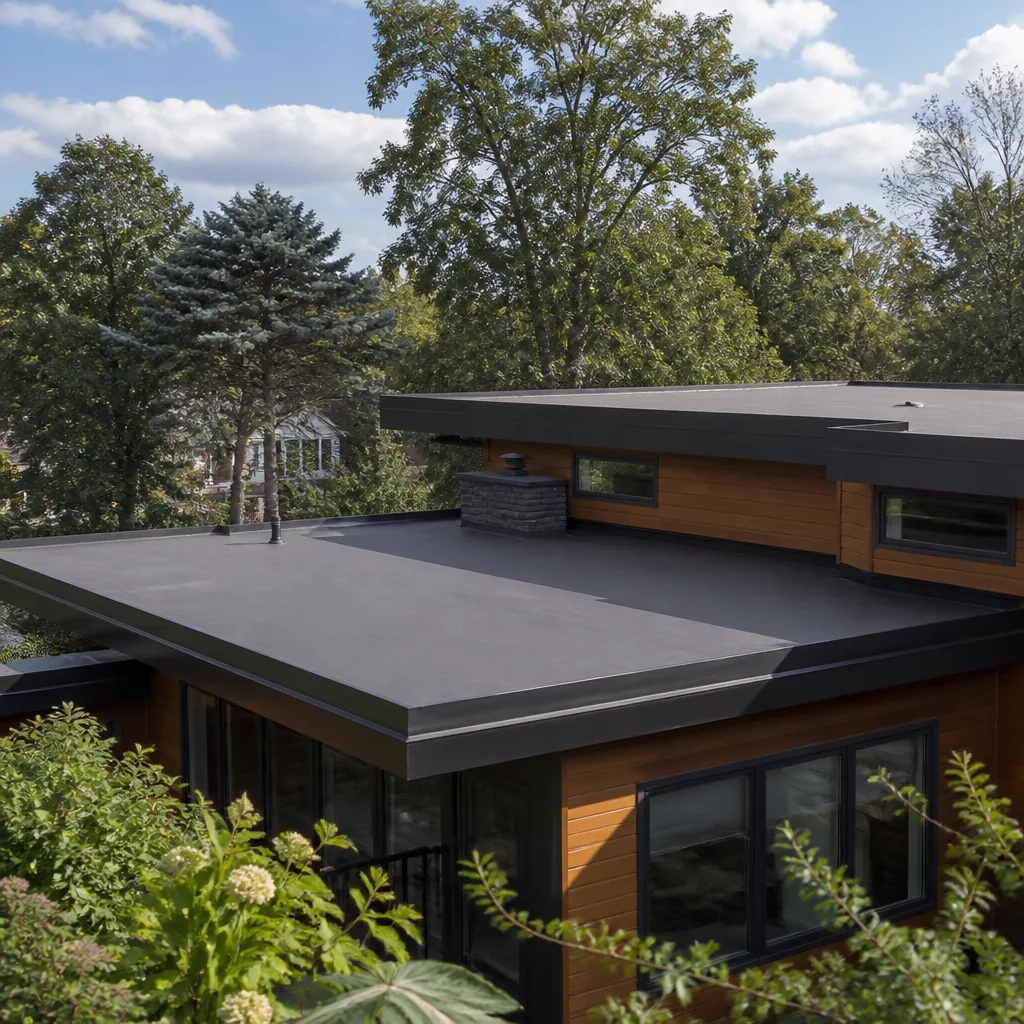 Flat & low-slope
Free roof inspection with deck photos before we talk money - GAF and Owens Corning certified installation
Atlas Flashing Replacement: The Long Beach Owner’s Guide
Atlas flashing replacement in Long Beach typically runs $320 – $680 installed for a single penetration or valley, depending on how the existing flashing was seated and whether the surrounding shingles need to be lifted or replaced. We stock Atlas-compatible flashing profiles on our trucks, so most jobs are done in a single visit. Owners usually discover the failure the same way: a brown watermark on the ceiling after the first real rain, or a glint of rust under a roof jack when they’re stringing holiday lights along the eaves. Flashing fails quietly and then fails loudly, so the sooner it’s addressed the smaller the repair.
Birchbark Roofing Long Beach is an independent roofing contractor, not affiliated with Atlas. We simply work with their materials often enough to know exactly how their flashing behaves in a coastal climate, and what it takes to replace it properly.
Which Atlas Models This Applies To
Atlas flashing is sized to their shingle profiles, and the compatibility matters more than homeowners expect. The current Atlas lines we see most in Long Beach – Pinnacle, StormMaster, and GlassMaster – all use their standard step flashing and pipe-jack dimensions, but there’s a gotcha. Older Atlas Chalet and Atlas 4-tab shingles from the late 2000s have a slightly different exposure height, and if the replacement flashing wasn’t lapped to that older exposure, water can wick back under the course. Anyone who tells you “flashing is flashing” hasn’t pulled apart a roof near Belmont Shore where the salt air has been eating at the metal for a decade.
To identify what’s on your roof, look at the underside of a loose tab for the Atlas stamp or pull a photo from the original roofing paperwork. The fast path is the pipe boot: Atlas boots are marked on the collar. If your flashing is older than the shingles, that tells us the last crew replaced the shingles and reused the old flashing. That’s the exact scenario we correct here – and the reason we always spec new flashing during a re-roof rather than trying to salvage metal that’s already halfway gone. New Atlas flashing runs $12 – $45 for step pieces and $25 – $90 for pipe collars in this market; aftermarket equivalents are available from Grip-Rite and Oatey, and we’ll tell you honestly when they make sense. For most coastal Long Beach homes, the few extra dollars for Atlas-spec metal with a proper galvanized or aluminum body is worth it.
Styles & brands we work with
Signs Your Atlas Flashing Replacement Is Failing
- Rust bloom on the metal itself. Atlas step flashing is available in galvanized steel and aluminum. Galvanized flashing near the coast starts showing rust at the cut edges within 8 – 12 years. Rust means the zinc layer is gone and the metal will eventually perforate. We see this concentrated on south-facing roof planes in Long Beach, where the marine layer sits longer.
- Water staining on ceiling corners or down a wall. Flashing leaks don’t drip straight down; they travel the roof deck, run along a rafter, and surface where the framing directs them. A stain that appears after the first heavy rain, not during, is the classic flashing signature. The water needs time to travel before it shows.
- Lifted or curled shingle tabs around the flashing. If the shingles around a pipe boot or valley are pulling back, water can loop over the top edge of the flashing and bypass it entirely. The flashing hasn’t failed – it’s been undermined. That’s a repair where the flashing gets replaced and the surrounding tabs are re-sealed with Atlas-approved adhesive.
- Crumbling pipe boot rubber. Pipe collars have a rubber sleeve that grips the vent stack. Salt air and UV degrade that rubber until it cracks at the base. Once it’s cracked, every wind-driven rain from the south pushes water straight down into the attic. On Long Beach homes with flat-ish pitches, we see this fail between year 9 and year 14.
- Granule loss concentrated around penetration points. If the area around a roof jack looks bare or the shingles there are thinning faster than the rest of the roof, that’s a sign of water sheeting against the flashing and splashing back up under the shingle edges. The granules go first, then the mat, then the deck.
See the difference
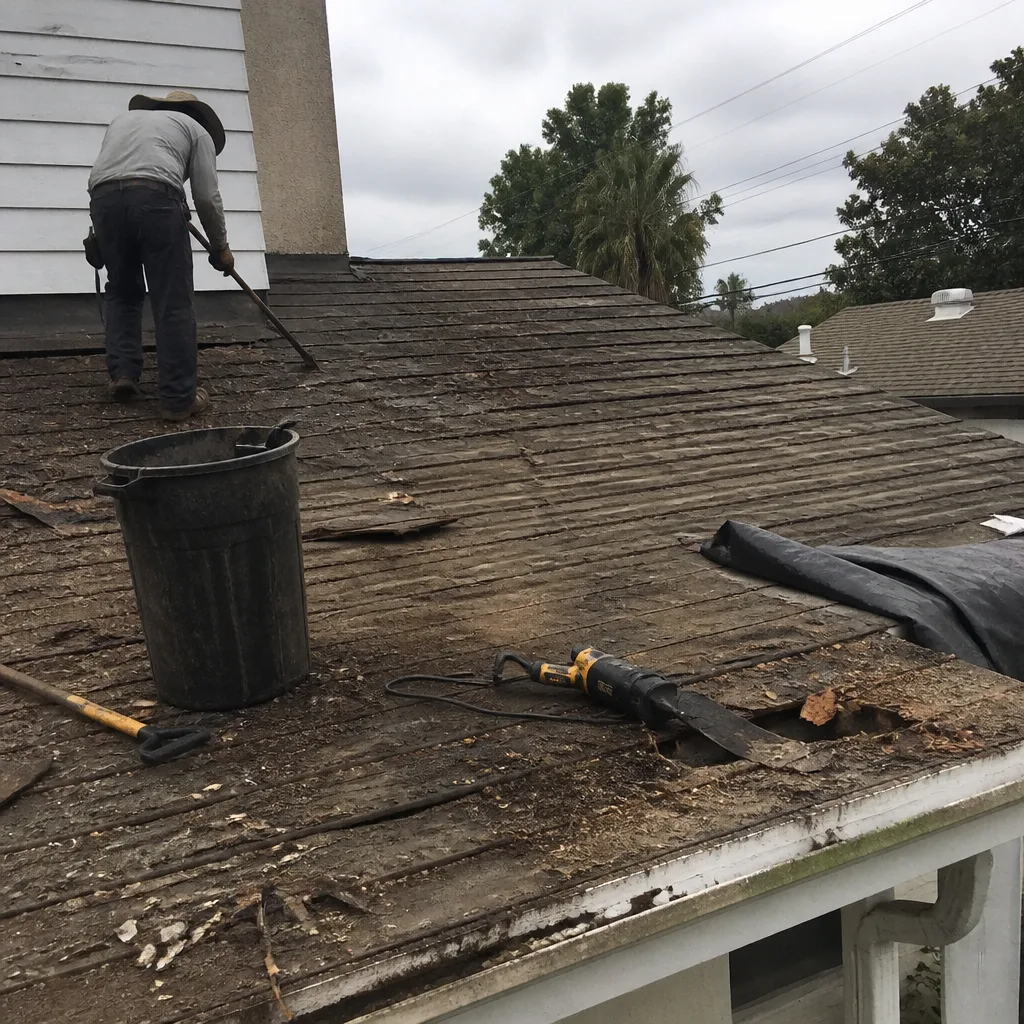 Before
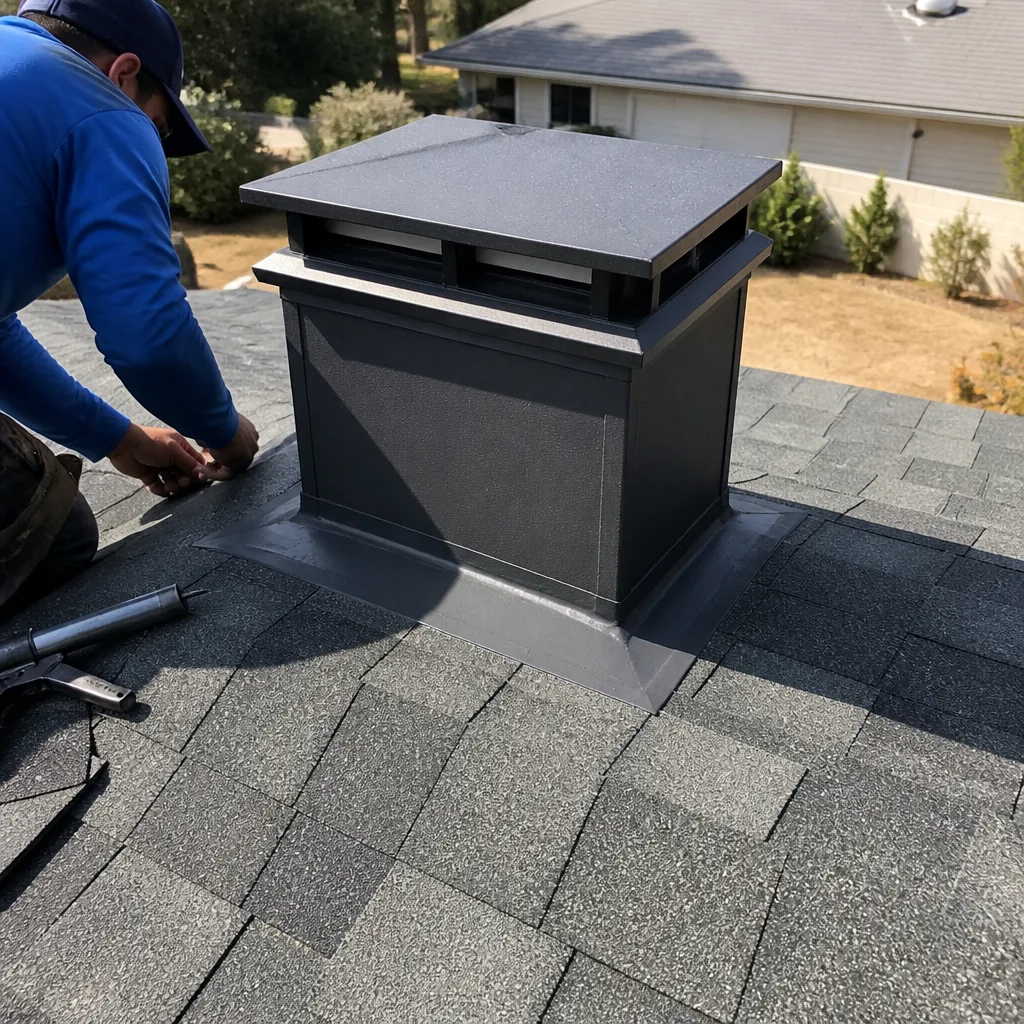 After
After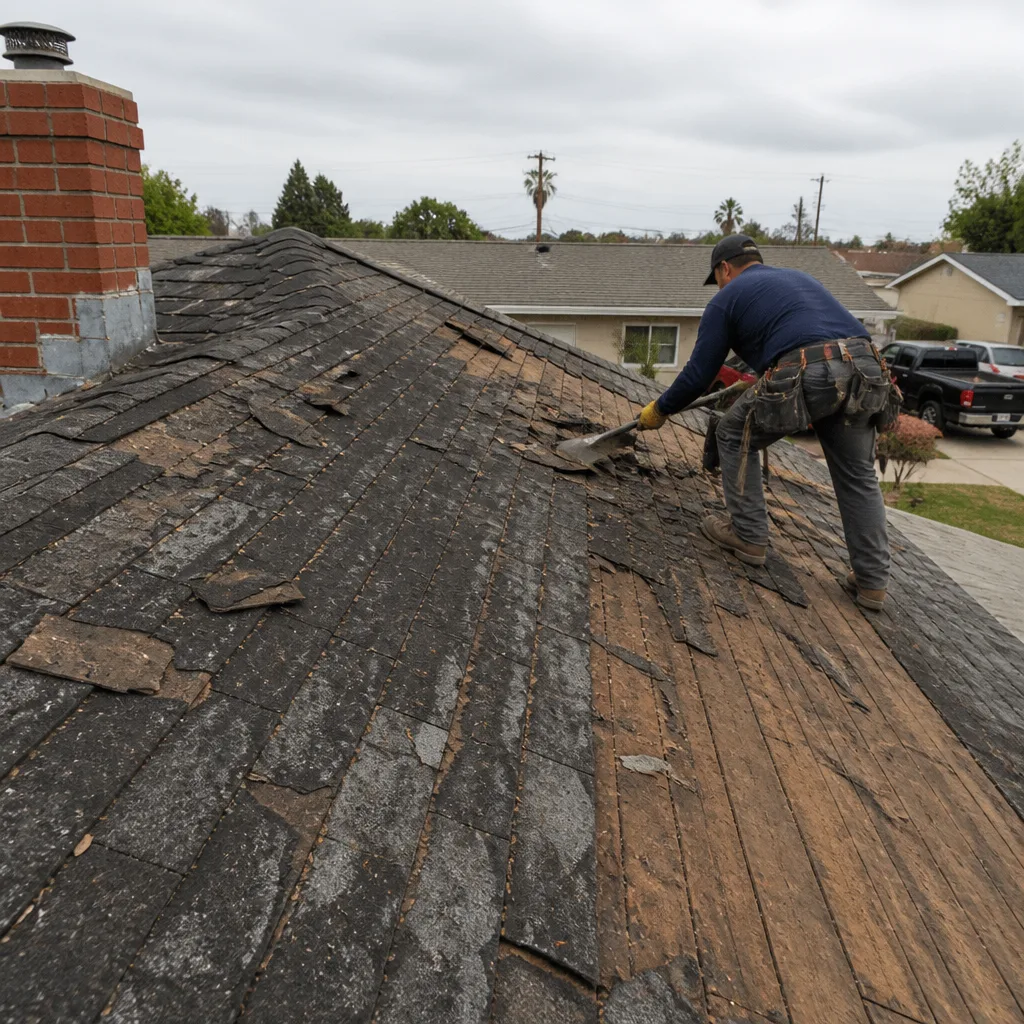 Before
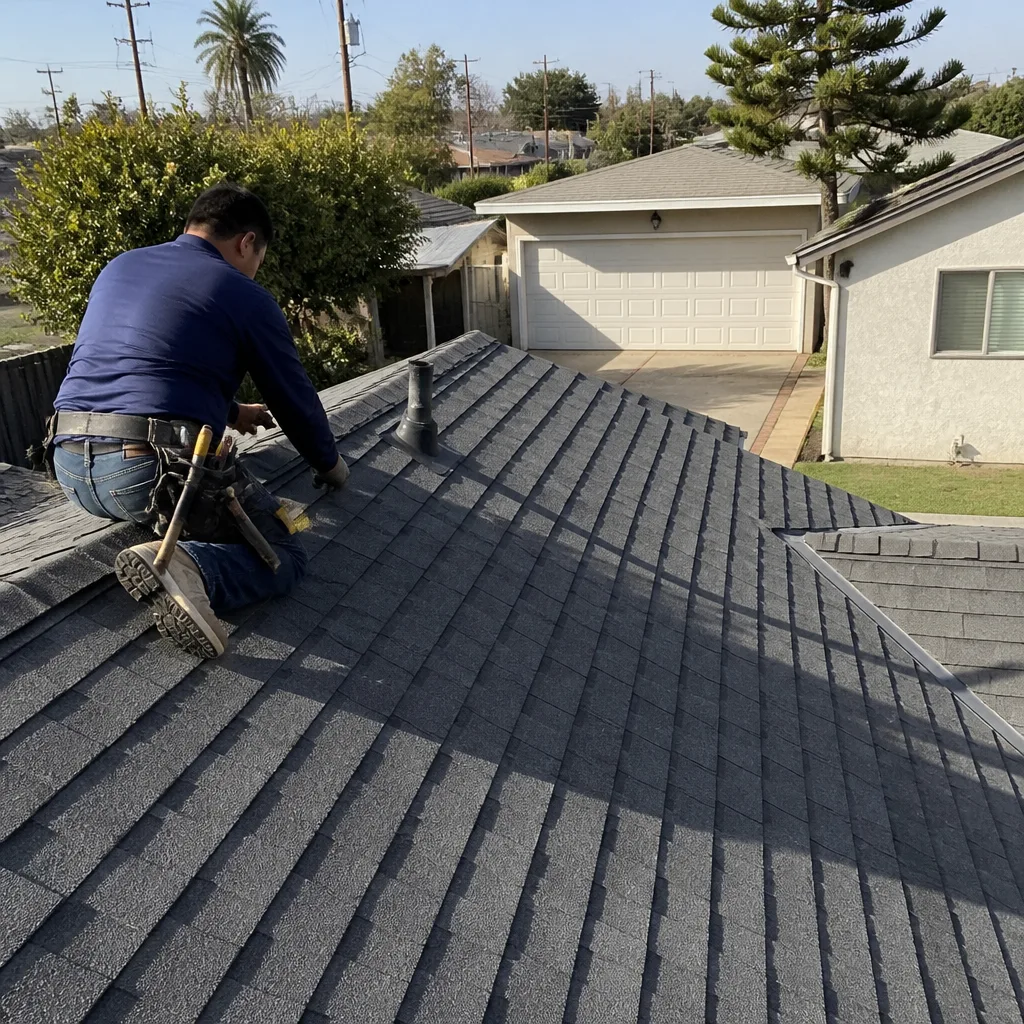 After
After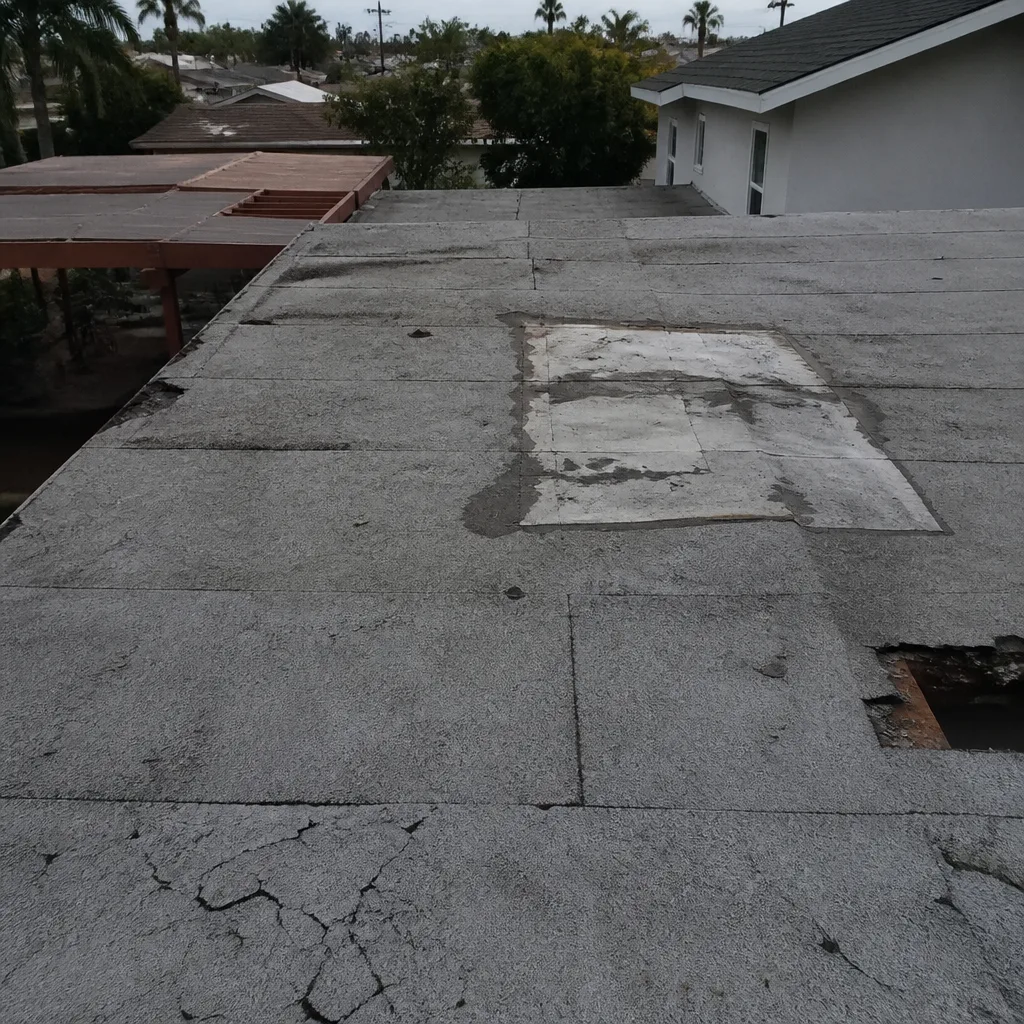 Before
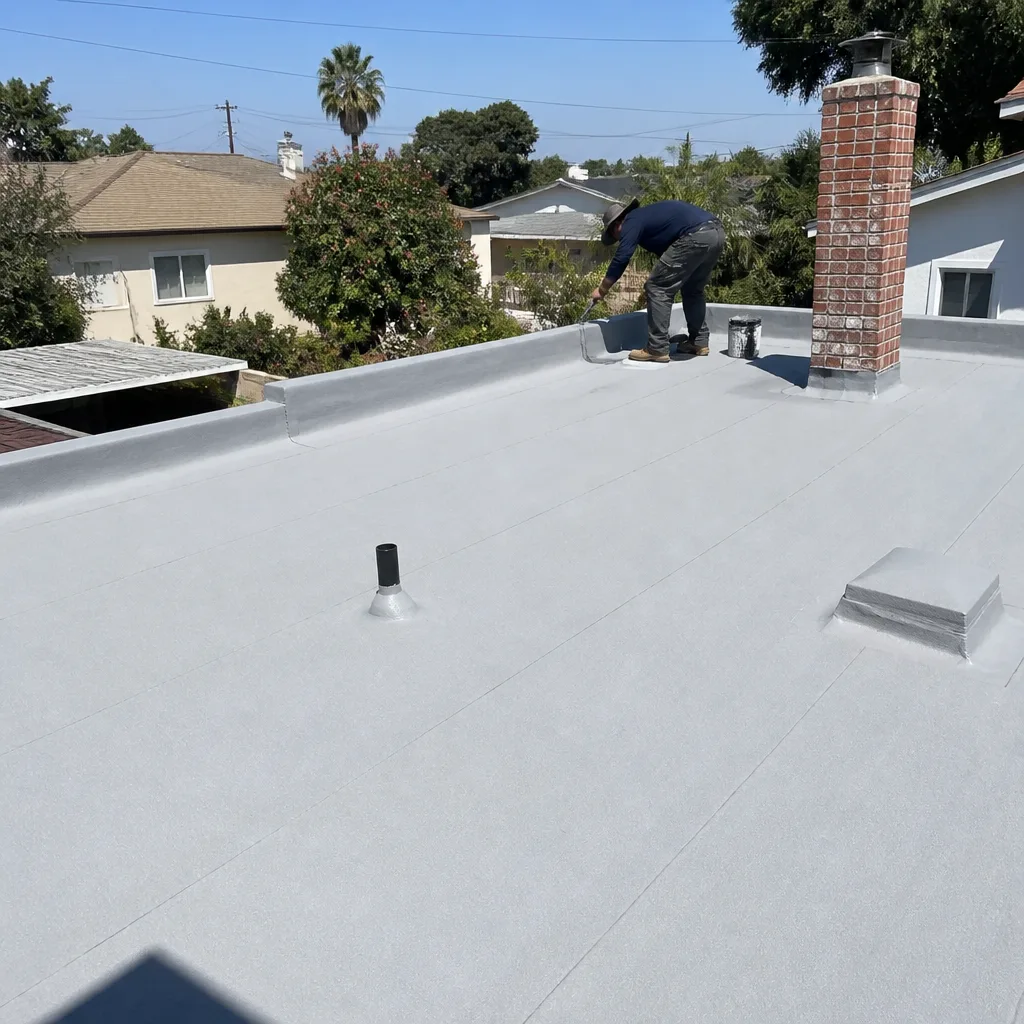 After
AfterReplacement Cost & What’s Included
For Long Beach, installed Atlas flashing replacement runs from $320 for a simple pipe boot swap to $680 when a valley needs new metal and the adjacent shingles lifted. Roofs above a 6/12 pitch, two-story homes, or flashing in tight spots near parapet walls run higher. The spread comes down to three things: how much shingle lifting is required, how much of the old metal needs to be cut out in pieces, and whether the deck beneath shows water damage that needs attention before we close it back up.
Every quote from Birchbark is a written line item. You’ll see the cost for the flashing itself, the labor, the sealant, and any deck repair, each broken out before any work begins – no lump-sum surprise at the end. The labor includes lifting the surrounding shingles correctly (never prying against the seal strip), setting the new flashing with a minimum 3-inch lapped joint, sealing with Atlas-approved mastic where specified, and a look at every neighboring seam within arm’s reach. The work is covered by our 365-Day Done Right Promise, which is stamped on the quote, so if the new flashing leaks within its first year, we come back and make it right at no charge.
DIY or Call Us?
You can inspect flashing safely from a ladder without much risk: look for rust, cracked rubber, lifted tabs. What you shouldn’t attempt as a homeowner is prying up your own shingles to pull and reseat step flashing. Improper lifting breaks the seal and shortens the life of the entire surrounding field; we routinely see a $400 flashing job turn into a $1,800 shingle replacement because the homeowner tried to “peek underneath” and tore the mat. If you’re pulling up Atlas shingles, you’re pulling against a strong adhesive strip, and in the cold of a Long Beach winter morning they don’t flex – they snap.
For roof work, ladder safety is its own thing. A slipped ladder with a pry bar in your hand ends a weekend. We’d rather you call (562) 512-7366, tell us what you saw on the roof, and let us put a pair of work boots on it. A written price before anyone climbs a ladder – that’s where we start.
FAQs
Galvanized Atlas flashing lasts roughly 12 – 20 years near the coast, while aluminum flashing can make it 25 years or longer; close proximity to salt air shortens the low end in neighborhoods like Alamitos Heights and Belmont Shore. We recommend checking it every few years once the roof passes year 10. If your flashing is older than that and shows rust bloom, call us at (562) 512-7366 for a look and an honest recommendation on whether it needs replacing now.
Sometimes a cracked pipe boot can be resealed with a quality collar and the flashing itself left in place, but we only do that when the underlying metal is intact and the shingle seal is healthy. If there’s rust, lifted tabs, or the original installation was shingled over incorrectly, patching is a temporary bandage on a leak that’ll be back. Ask us to photograph what we find and show you before we recommend either path – the decision gets made with your eyes open.
Most single-penetration flashing replacements take 2 – 3 hours of actual roof work, from setting up ladder standoff pads to the final sealant check and the clean-up photo we take before rolling up the drop cloths. If the deck below is water-damaged, add half a day for the repair to dry and the affected plywood section to be scabbed in. You’ll have a written time estimate on the quote, and we stick to it.
We stock step flashing, pipe boots, and valley metal sized for standard Atlas profiles on our trucks, and for older or less common sizes we source from local roofing supply yards within a day. That means most repairs in Long Beach are done without a second appointment. If you’re looking for a specific Atlas part and want to confirm availability before we come out, call (562) 512-7366 and someone will actually answer.
If your Atlas flashing is failing anywhere in Long Beach – from Los Altos to Lakewood Village to the older bungalows near Retro Row – call us at (562) 512-7366 and we’ll come out, look it over, and put a written price in your hand before any work begins. We’ll protect your floors with shoe covers and drop cloths, use pet-safe sealants where there’s a choice, and send you a photo of the clean-up before the crew pulls away. Erik Lindgren and the team have been working Long Beach roofs long enough to know that the flashing is rarely the whole story, and we’ll tell you plainly if there’s something else up there worth keeping an eye on. Free estimates, always.
Written by Erik Lindgren, Owner, Birchbark Roofing Long Beach at Birchbark Roofing Long Beach, serving Long Beach and nearby areas.