
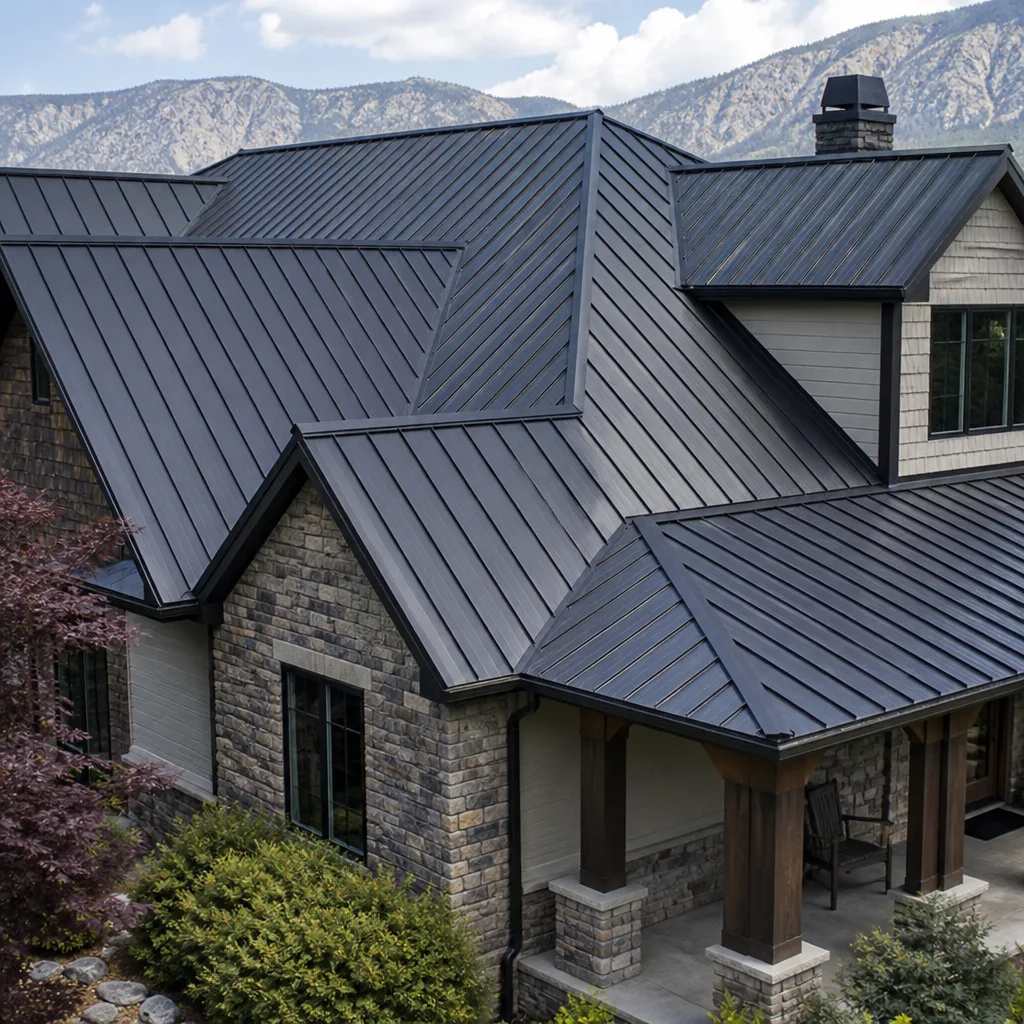
 Metal roofing
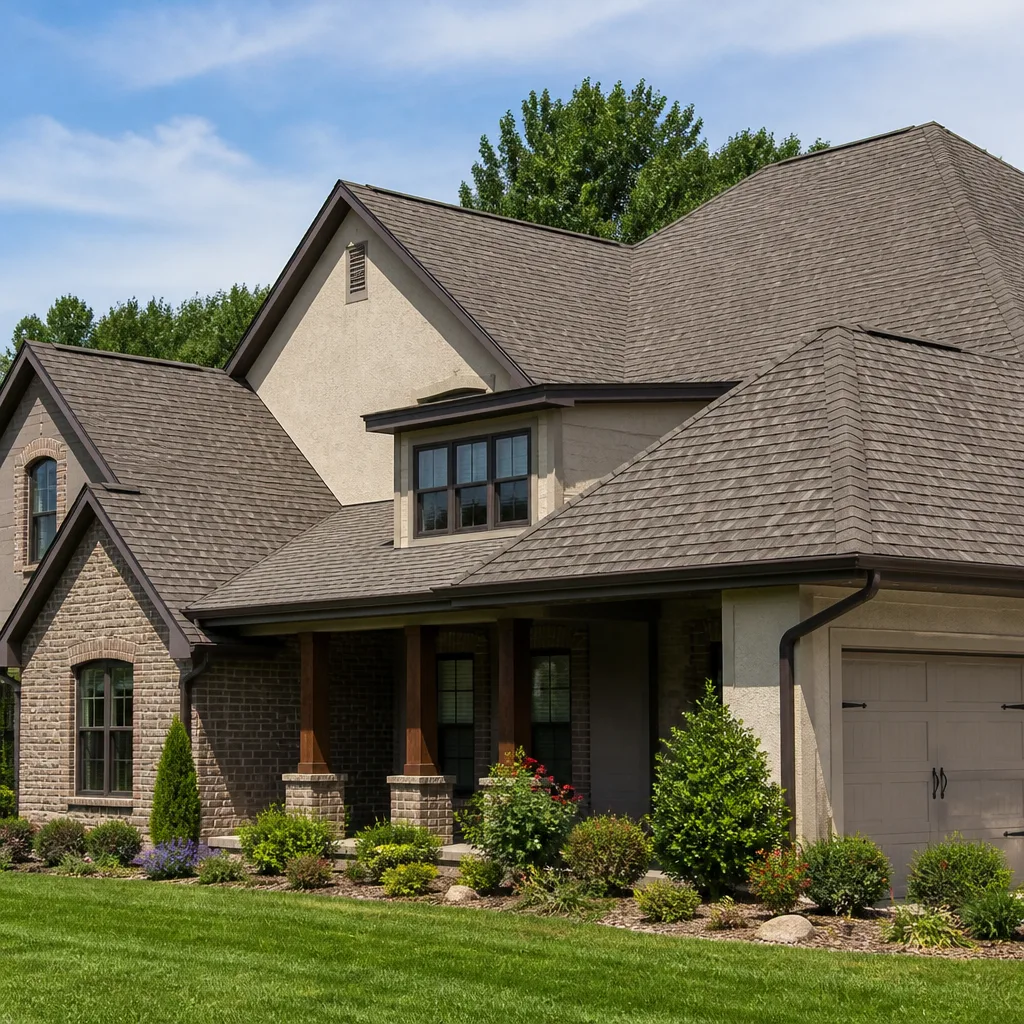 Architectural shingles
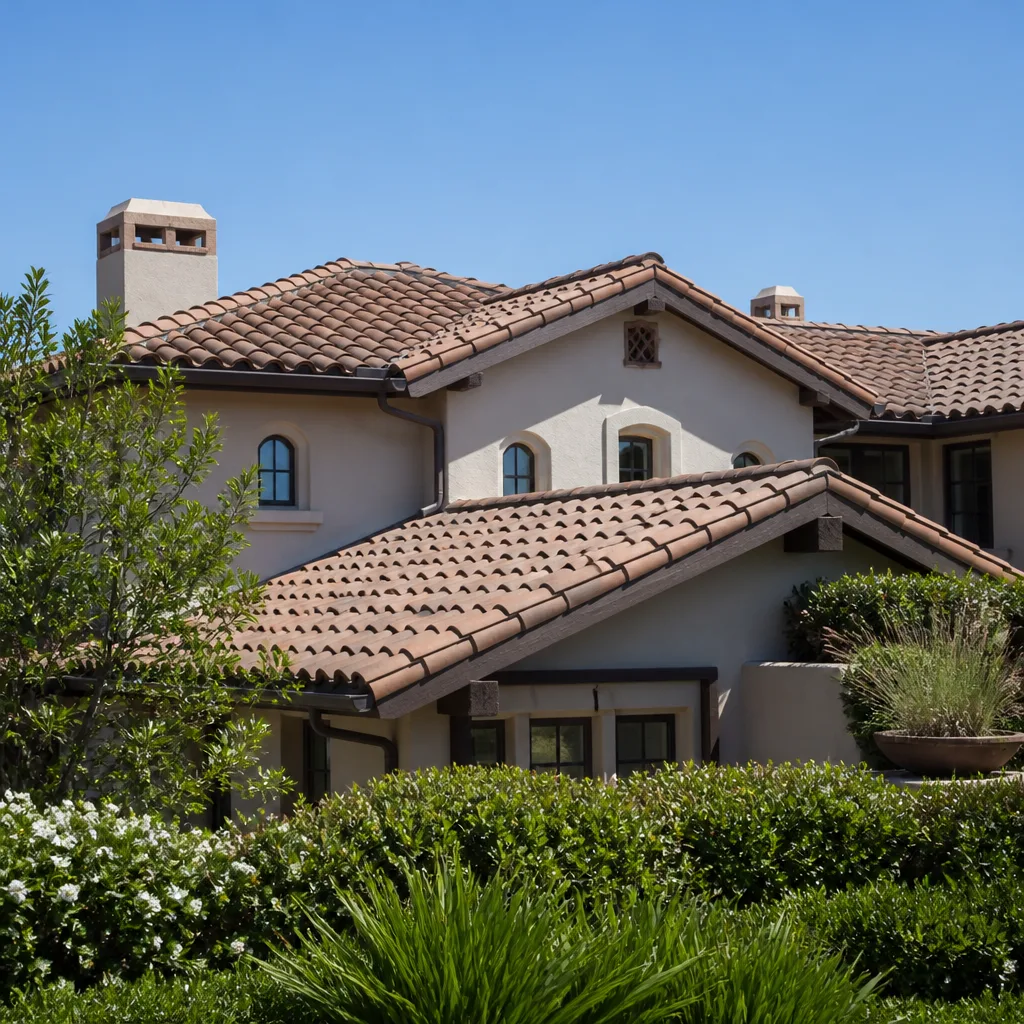 Tile roofing
 GAF
GAF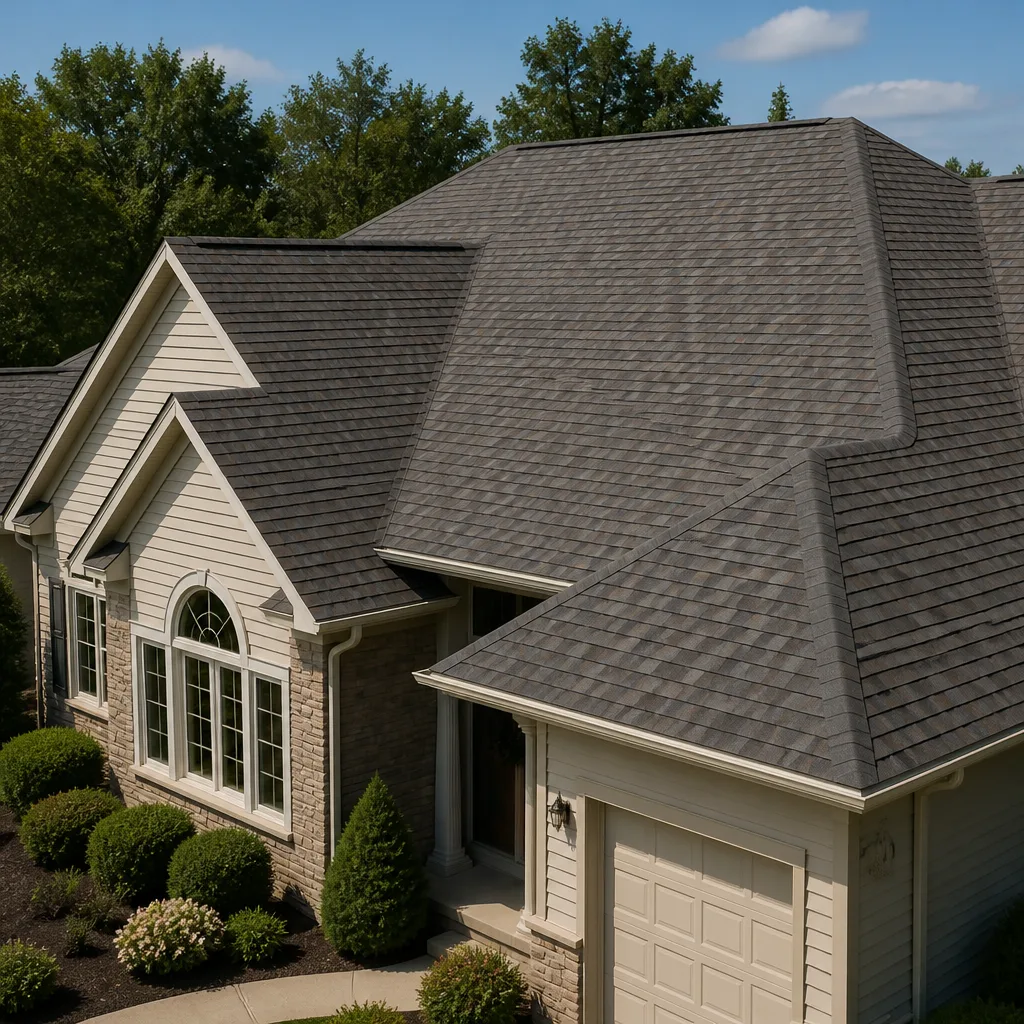 Owens Corning
 Flat & low-slope
Free roof inspection with deck photos before we talk money - GAF and Owens Corning certified installation
Tamko Flashing Replacement: The Long Beach Owner’s Guide
We stock and install Tamko-compatible flashing replacement for Long Beach homes, with most residential flashing jobs running between $450 and $1,100 installed depending on how many penetrations need re-flashing and how much existing material has to come off. You’ll see your exact number in writing before anyone climbs a ladder. Most owners discover flashing has failed the hard way: a water stain on the ceiling after a winter rain, a damp spot in the attic, or granules collecting in a gutter below a pipe boot.
Flashing is the roof’s quiet workhorse. It’s the metal or synthetic material that seals the joints where the roof meets something else: a chimney, a vent pipe, a skylight, a wall. When Tamko flashing fails, water doesn’t need a big opening. A hairline crack or a lifted seam is enough. Long Beach’s salt air, especially west of the 710 and down toward the water, accelerates corrosion on metal flashing that would last decades inland. We replace flashing on Tamko shingle roofs across the city, from the historic districts to the newer tracts east of Lakewood Boulevard.
Which Tamko Models This Applies To
Tamko flashing is manufactured to work with Tamko’s shingle lines: Heritage, Heritage Premium, Elite Glass-Seal, and StormShield. The flashing itself isn’t serialized to a specific shingle model the way a car part is, but the profile matters. Tamko’s step flashing and headwall flashing are stamped to a standard 4-inch rise with a 5-inch base, sized to tuck under Tamko’s laminated shingle courses. Pipe boots and vent collars come in 1.5-inch, 2-inch, and 3-inch diameters to match standard plumbing vents and stack pipes.
Here’s the compatibility gotcha most homeowners don’t know: Tamko’s StormShield peel-and-stick flashing membrane is designed to seal to Tamko asphalt shingles and synthetic underlayments. If a previous repair used a generic big-box flashing that doesn’t share that adhesive chemistry, the bond can fail within a couple of seasons. That’s the most common reason a “repaired” flashing leaks again. When you call us, we check what’s actually on the roof before ordering or cutting anything. We are an independent roofing contractor in Long Beach, not affiliated with Tamko, but we work with Tamko materials regularly and know which replacement parts mate correctly with which shingle lines. If the roof has been in place since a prior owner, we match the flashing to what’s installed, not what the original invoice said.
Styles & brands we work with
Signs Your Tamko Flashing Replacement Is Failing
- Water stains on ceilings or walls after rain. This is the classic first visible symptom. The water enters at the flashing, travels along a rafter or sheathing seam, and shows up somewhere you don’t expect. The stain location won’t always sit directly under the failed flashing.
- Rust streaks or white oxidation on exposed flashing. Long Beach’s marine air is hard on galvanized metal. If you can see rust weeping down from a pipe boot or chimney flashing from the ground or a ladder, the metal has already lost its protective coating.
- Lifted or curling flashing edges. When you’re up checking gutters or trimming a tree, look at where pipes and vents meet the roof. Flashing edges that have pulled away from the shingle create a slot for wind-driven rain.
- Granule buildup in gutters near penetrations. A failing pipe boot often allows water to run underneath shingles near the boot, loosening the asphalt seal and pulling granules off. It’s an indirect signal that the flashing has been leaking for a while.
- Daylight visible from the attic around vent pipes. If you’re in the attic during the day and can see light where a plumbing vent passes through the roof deck, the flashing boot is cracked or the seal is gone. Same goes for any soft or darkened wood around the pipe.
None of these are “wait until spring” problems in our climate. Long Beach gets most of its rain in a handful of months, and a bad flashing can quietly rot a roof deck in that time.
See the difference
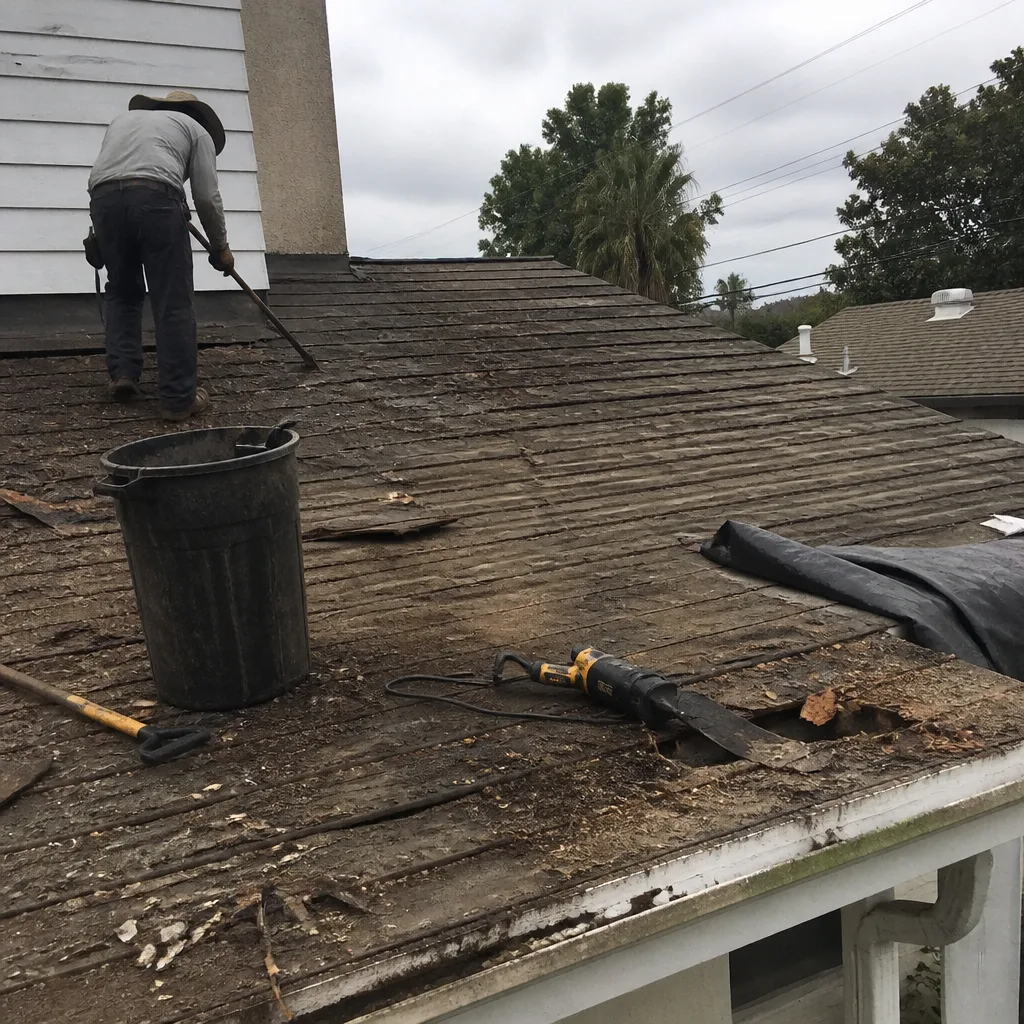 Before
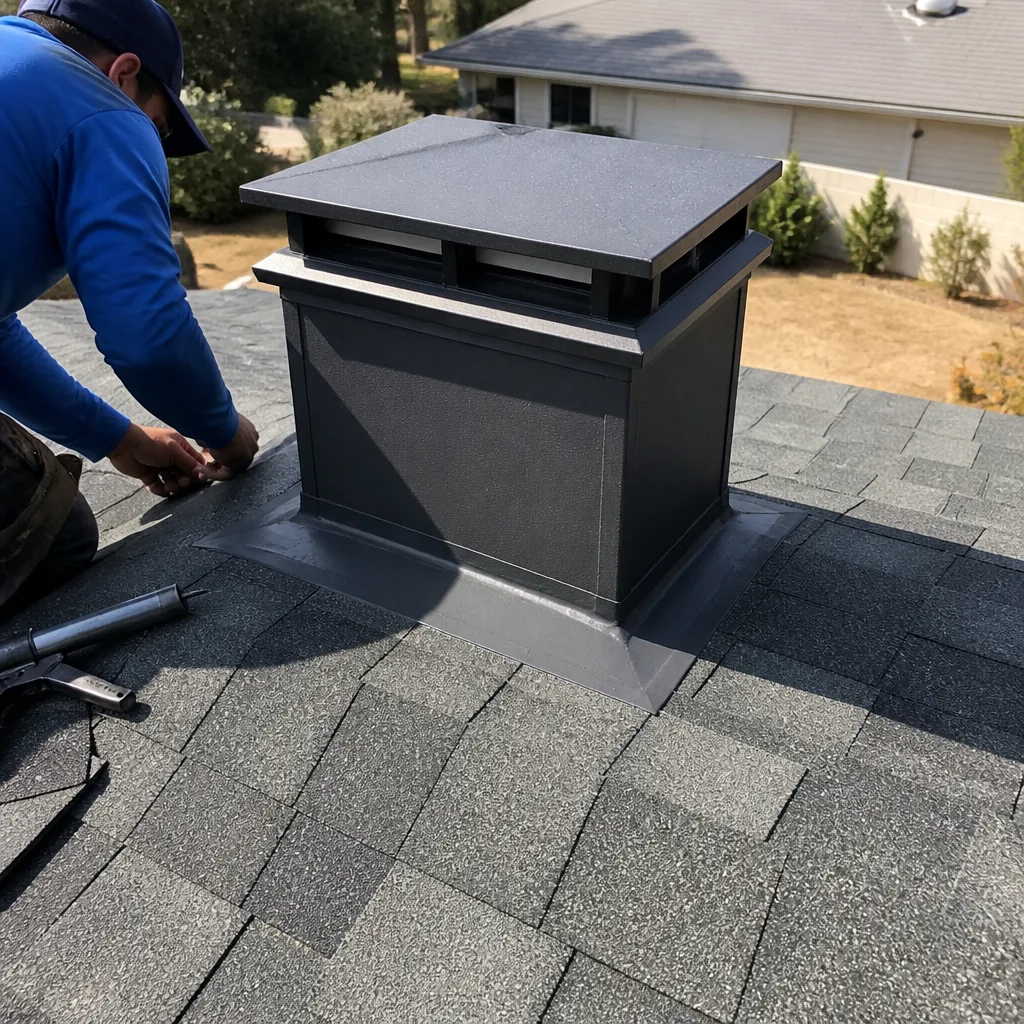 After
After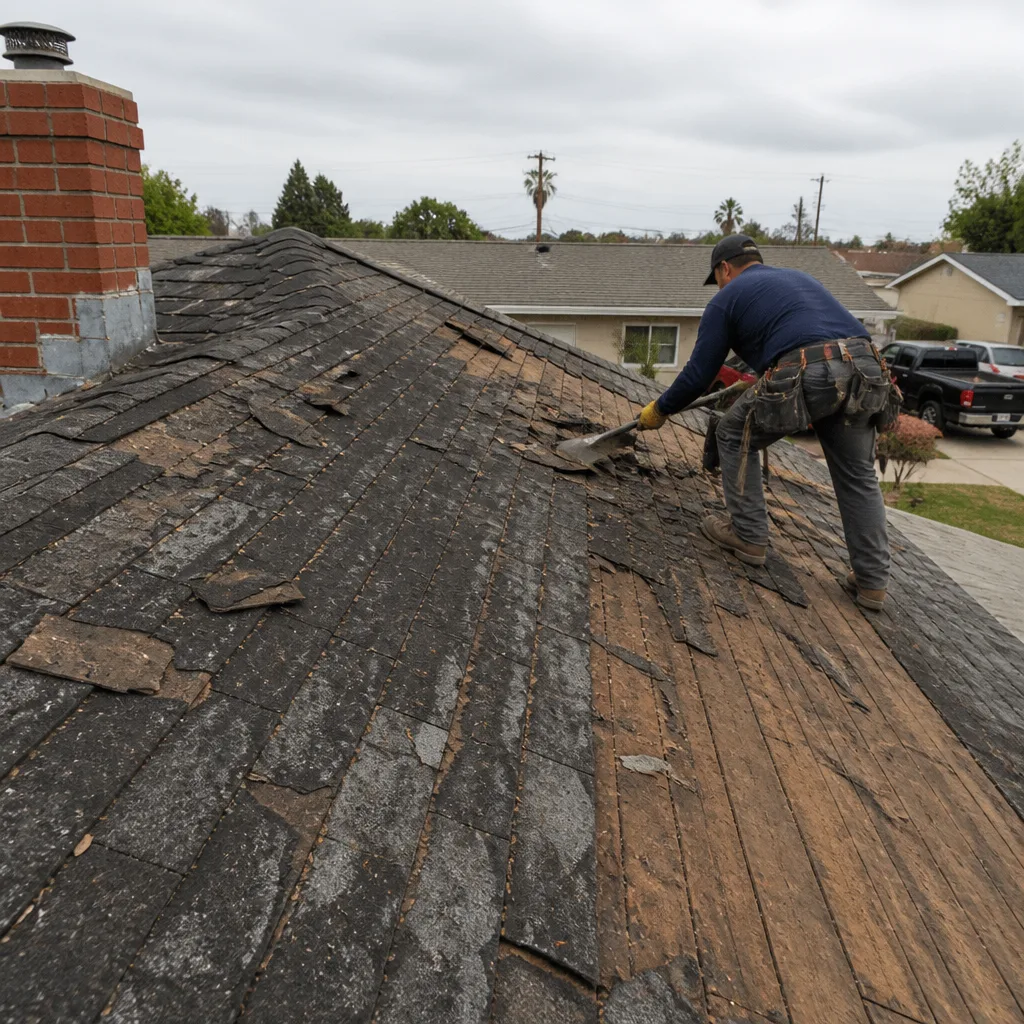 Before
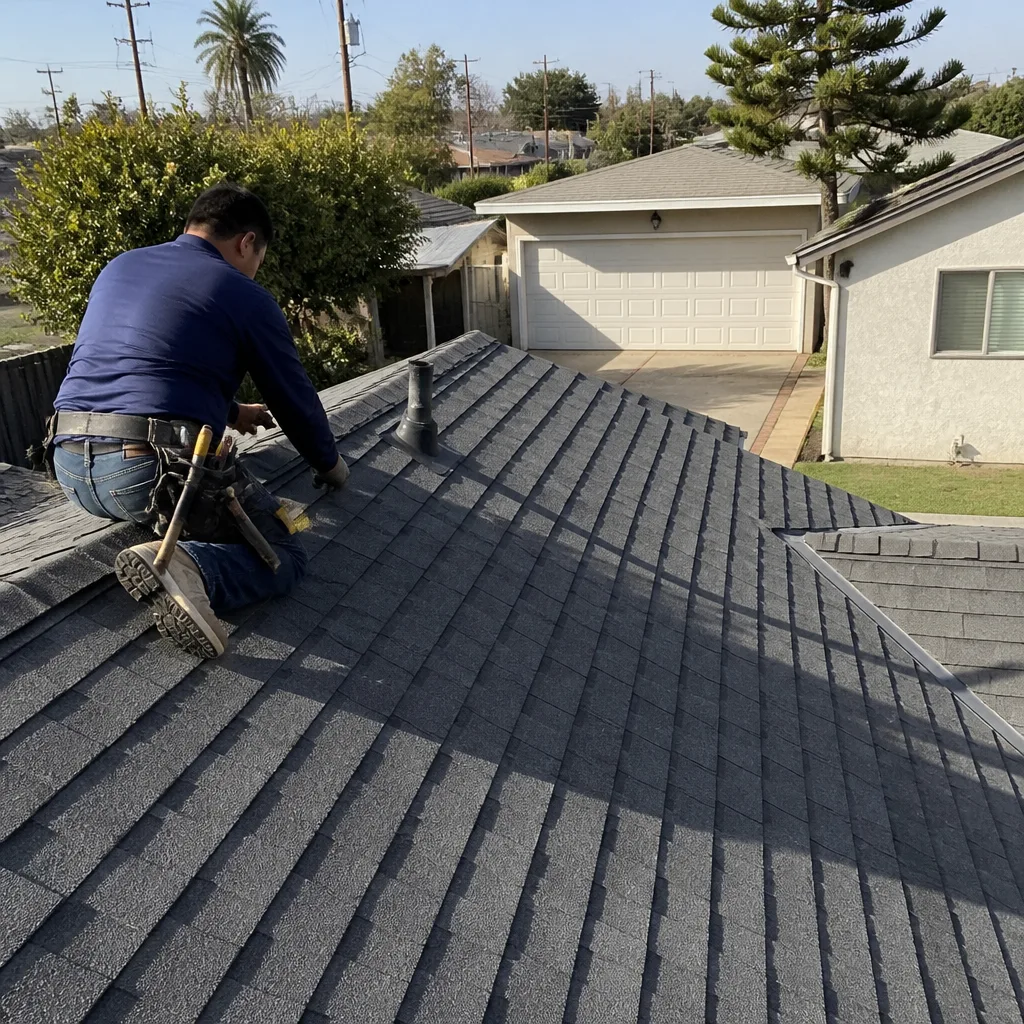 After
After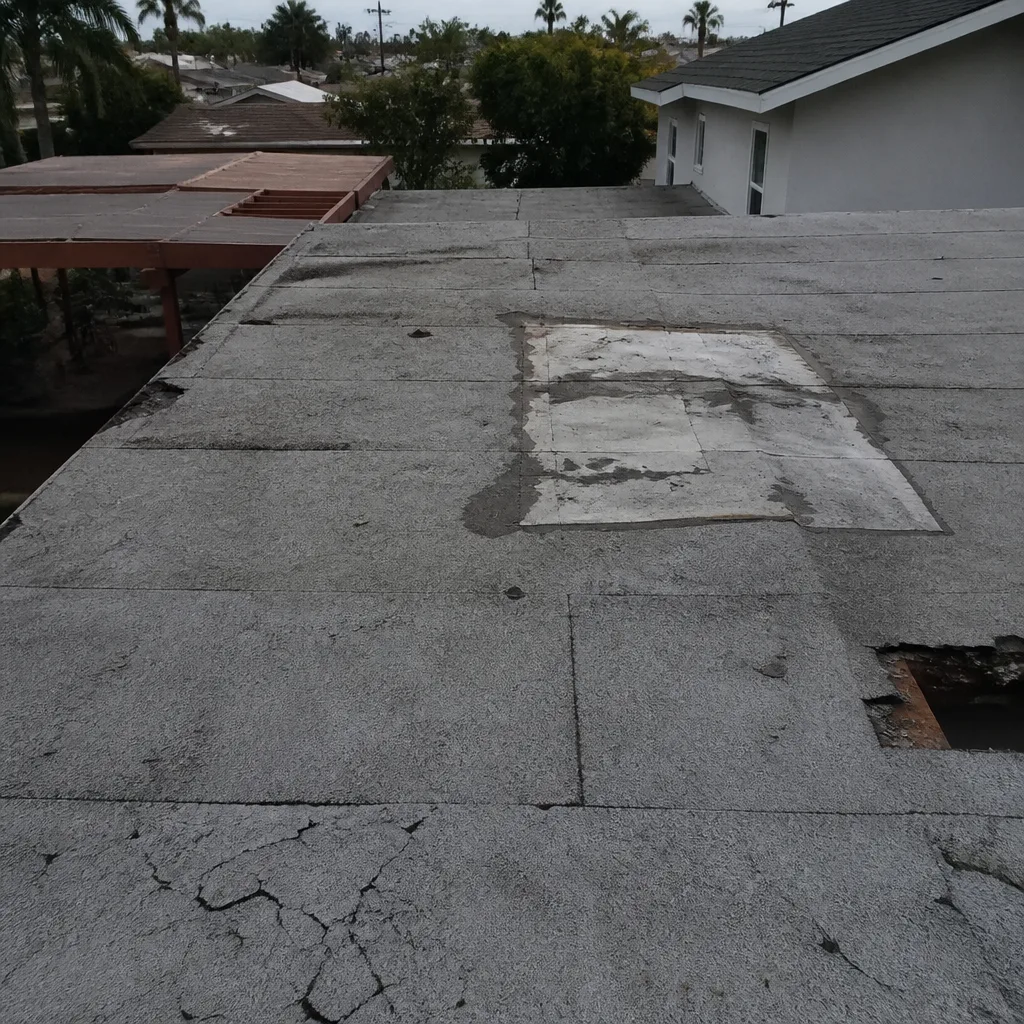 Before
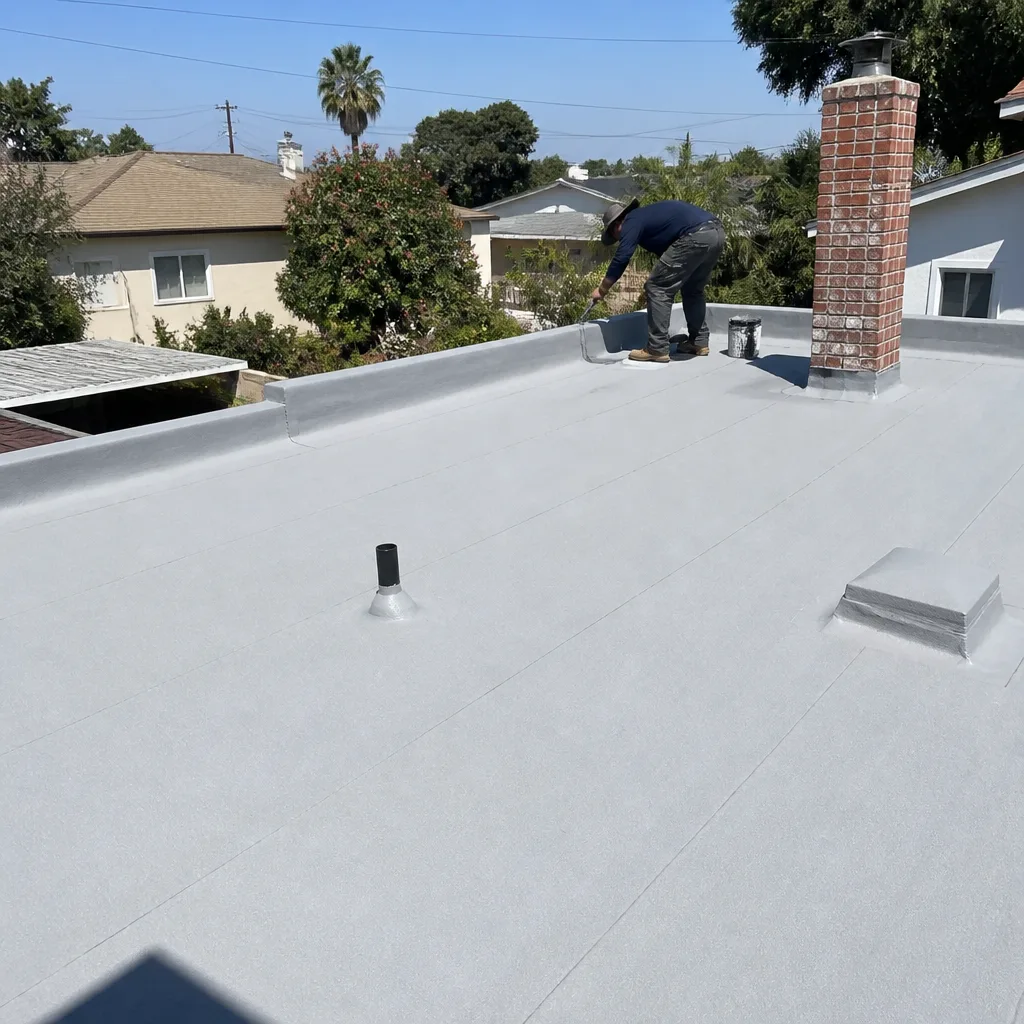 After
AfterReplacement Cost & What’s Included
| Scope | Typical Installed Price (Long Beach) |
|---|---|
| Single pipe boot or vent flashing replacement | $450 – $650 |
| Step flashing along a wall or dormer (up to 10 linear feet) | $600 – $900 |
| Chimney flashing repair or replacement (one side) | $500 – $800 |
| Full flashing replacement around chimney (all sides) | $850 – $1,100+ |
The range comes down to three things: how many pieces of flashing need replacement, whether the surrounding shingles have to be lifted or replaced to properly seat new flashing, and whether the roof is single-story or two-story (height affects setup and safety equipment). Every job includes the parts, the labor, and a written price before work starts. You’ll never get a change order because we found something we should have spotted during the estimate. Erik Lindgren walks the roof before quoting. Every replacement carries our 365-Day Done Right Promise: if it’s not right, we make it right.
DIY or Call Us?
What you can safely check: from the ground or a ladder, look at the exterior condition of exposed flashing around chimneys, pipes, and walls to see if you notice rust, lifted edges, or cracked caulk. From inside the attic, you can look for water staining around penetrations after a rain. That’s it. We don’t recommend DIY flashing replacement, and here’s why. Removing and reinstalling flashing properly means lifting shingles without cracking them, cutting new metal to fit existing courses, and sealing with the right product for the material you have. Get the seal wrong and the new flashing leaks within months. Get up on a roof you’re not equipped to work on and you’re taking a real risk. Roof falls injure homeowners every year. This is a job for a trained roofer with fall protection. If you suspect flashing failure, call (562) 512-7366 and we’ll do a no-charge roof inspection, then put the repair price in writing.
FAQs
Galvanized steel flashing on a Tamko roof in Long Beach typically lasts 15 to 20 years before corrosion or seal failure becomes likely, and homes within a few miles of the coast may see that drop to 10 to 15 years due to salt exposure. How it was seated and sealed at installation matters more than the metal’s age. If your flashing is older than 15 years or you can see rust, call (562) 512-7366 for an inspection.
In limited cases, yes: a small lifted seam can sometimes be re-sealed, but a corroded or cracked piece of Tamko flashing should be replaced, not patched. A patch over rust buys you a few months at best, and in Long Beach’s wet season that means another leak. Most flashing repairs involve full replacement of the failed section, and estimates are free.
Most single-pipe or small-section flashing replacements take 2 to 3 hours on site, and full chimney flashing can take a half day. Weather and roof pitch affect this, but you’ll have a time window in writing before work starts. Call (562) 512-7366 for a written quote.
We stock Tamko-compatible pipe boots, step flashing, and StormShield membrane on our trucks and at our Long Beach supplier, and anything our supplier doesn’t have in stock is typically available within one business day. We also stock materials from GAF, Owens Corning, and CertainTeed, so if your flashing needs a different match, we can handle it. Call (562) 512-7366 and we’ll confirm what you need.
If your Tamko flashing is failing, don’t guess at it. We’ll walk the roof, show you what we found, and hand you a written price before any work starts. Shoe covers at the door, drop cloths through the hallway, all debris cleared and photographed before we leave. Call (562) 512-7366 to schedule your free estimate.
Written by Erik Lindgren, Owner, Birchbark Roofing Long Beach at Birchbark Roofing Long Beach, serving Long Beach and nearby areas.