
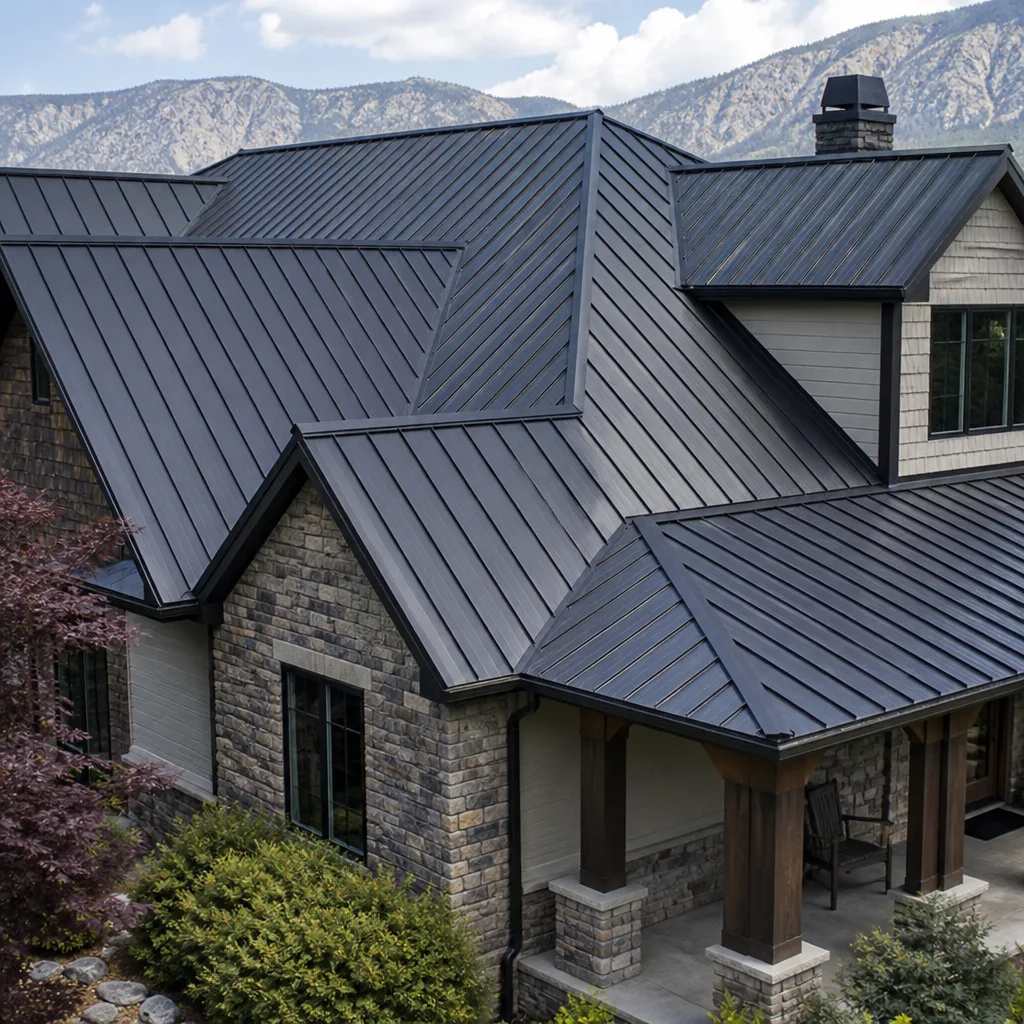
 Metal roofing
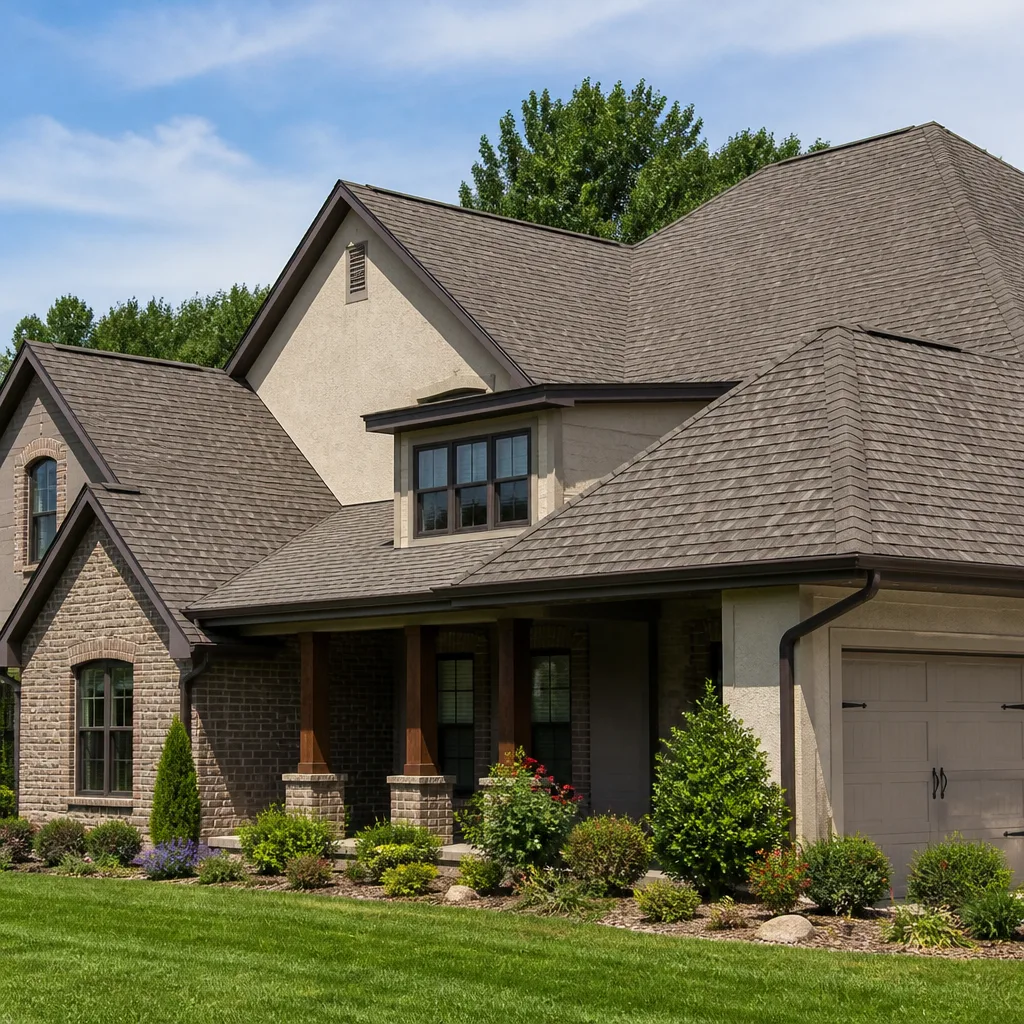 Architectural shingles
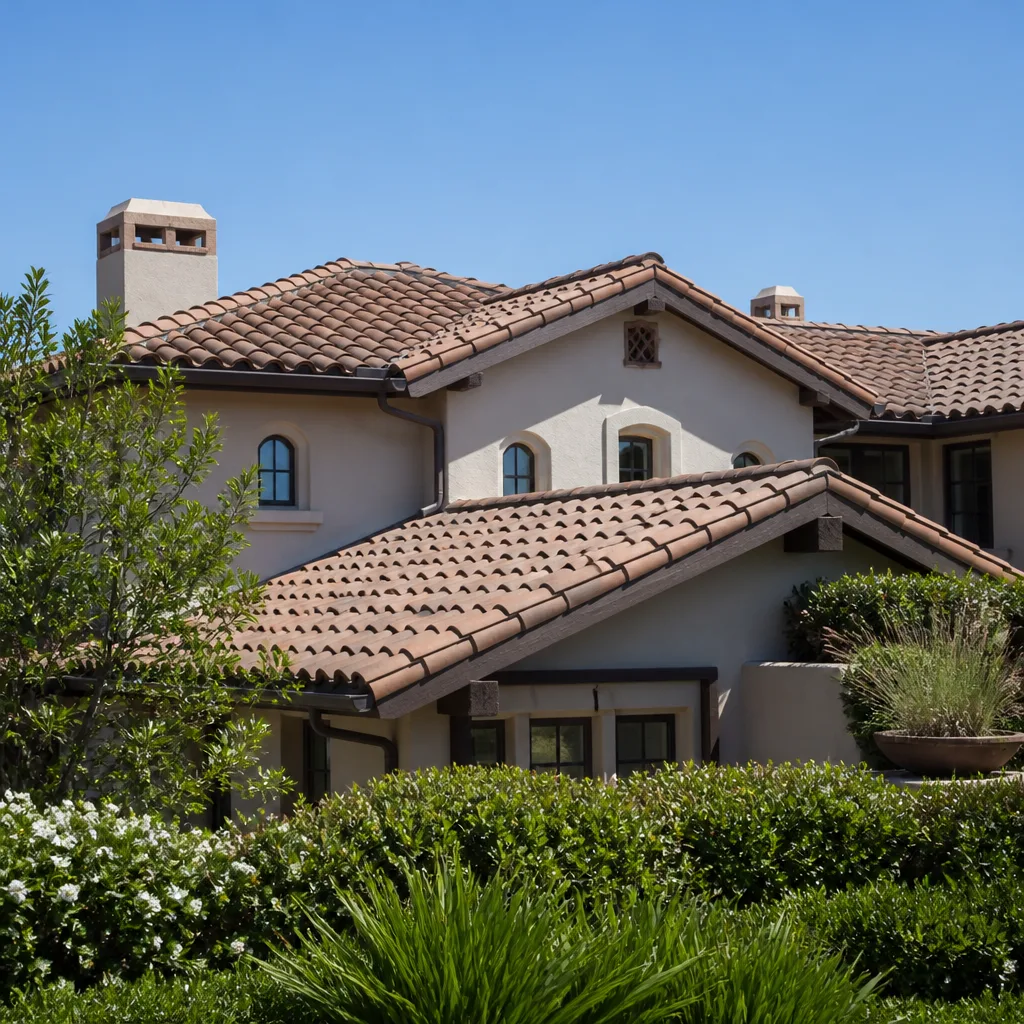 Tile roofing
 GAF
GAF Owens Corning
 Flat & low-slope
Free roof inspection with deck photos before we talk money - GAF and Owens Corning certified installation
IKO Flashing Replacement: The Long Beach Owner’s Guide
We stock and install IKO-compatible flashing replacement across Long Beach, with most residential flashing jobs running between $450 and $1,200 installed depending on flashing type, roof pitch, and accessibility. We carry common IKO flashing profiles on our trucks, so many Long Beach homes can be addressed same-visit. The way most owners find out their flashing has failed is a water stain on a ceiling or drywall after a good rain, especially along chimneys, skylights, or where the roof meets a sidewall.
Flashing is the metal or synthetic material that redirects water at roof transitions. When it fails, water gets behind it and finds the path of least resistance, which is usually your living room. In Long Beach, the combination of salt air, UV exposure, and the occasional hard winter storm means flashing sees more stress than most people expect. We replace it with materials matched to your IKO roof system and sealed properly for coastal conditions.
Which IKO Models This Applies To
IKO flashing replacement applies to nearly every IKO asphalt shingle line installed in Southern California: Cambridge, Dynasty, Nordic, and Royal Estate are the ones we see most often on Long Beach roofs. The flashing itself isn’t usually branded by IKO the way shingles are. What matters is the profile and gauge of metal or synthetic flashing that was originally installed, what’s underneath it, and how it was integrated with the IKO underlayment system.
Here’s the compatibility gotcha most homeowners don’t know: IKO’s installation specs call for specific underlayment and flashing integration methods, especially on low-slope sections common to older Long Beach ranches and bungalows. A flashing that works fine on a steep roof can fail prematurely on a 2:12 or 3:12 pitch if it wasn’t layered correctly. When we replace flashing on an IKO roof, we match the metal to what’s there, check the underlayment beneath it, and reseal everything in the correct IKO sequence: underlayment, flashing, shingle, sealant. Skip one layer and the next storm finds it.
On the OEM versus aftermarket question: for step flashing, counter-flashing, and pipe boots, quality aftermarket equivalents from manufacturers like Oatey, Gibraltar, and Berger perform as well as anything IKO-branded, and they’re what we stock. What matters more than the brand stamp is the gauge of metal, the type of sealant used, and whether the installer actually lapped the layers correctly. We use 26-gauge galvanized steel or aluminum for most Long Beach coastal homes, with aluminum preferred within a mile of the water because of salt corrosion.
Styles & brands we work with
Signs Your IKO Flashing Replacement Is Failing
- Water stains on ceilings or walls after rain. This is the most common first sign, and it usually appears on the top floor ceiling beneath a chimney, skylight, or where the roof meets a second-story wall. The water has already traveled behind the flashing before it shows up here.
- Lifted or curled flashing at roof seams. Wind, thermal expansion, and UV breaking down old sealant can cause metal flashing to lift away from the roof surface. You might see it from the ground with binoculars along chimneys or dormer walls.
- Rust patches, streaks, or pinholes on exposed flashing. In Long Beach, the marine layer brings salt air that accelerates corrosion on steel flashing, especially within a mile or two of the coast. Once pinholes form, the flashing is done.
- Granules collecting in gutters near roof transitions. When flashing fails, water gets under the shingles and accelerates shingle breakdown around the transition point. You’ll often see granule loss concentrated in one area rather than across the whole roof.
- Damp musty smell in the attic or upper rooms. Sometimes there’s no visible stain yet, just trapped moisture. If the attic smells musty after rain and you can’t find the source, failing flashing is high on the list.
See the difference
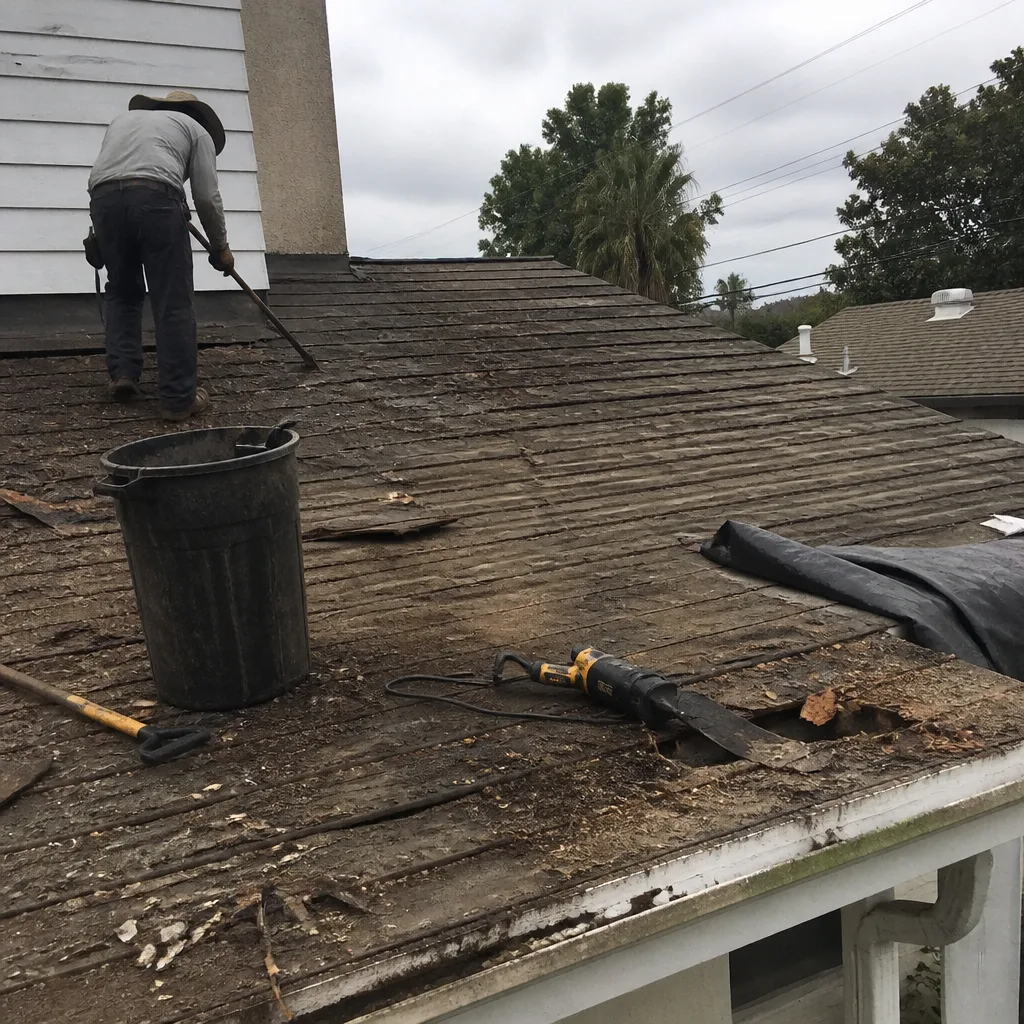 Before
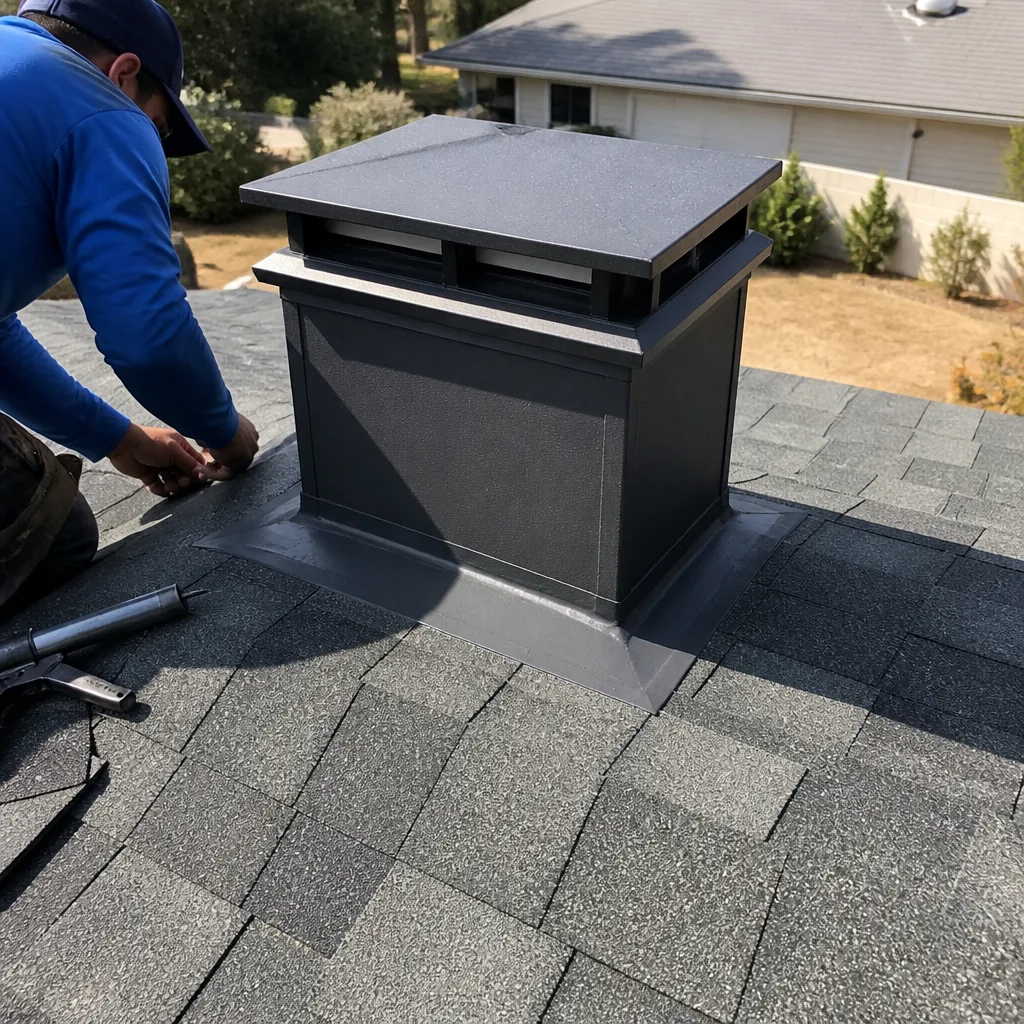 After
After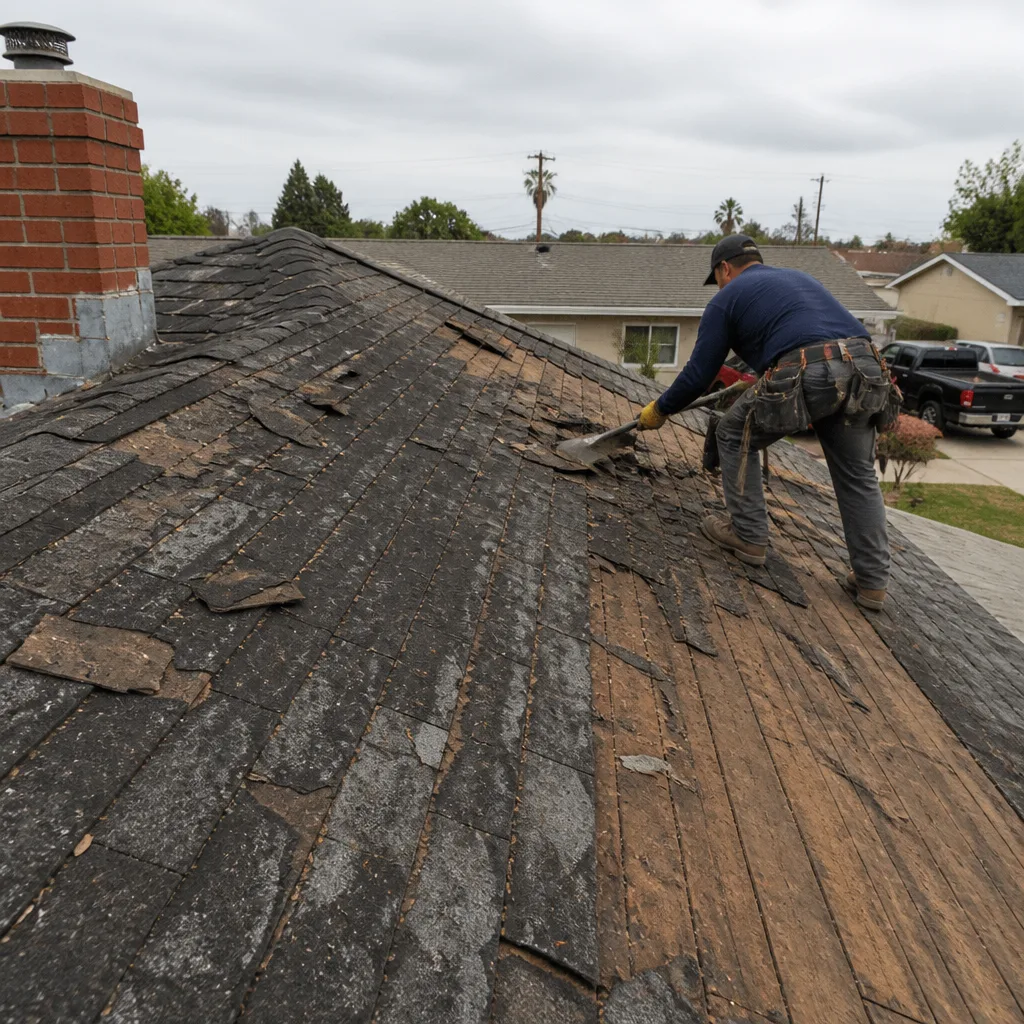 Before
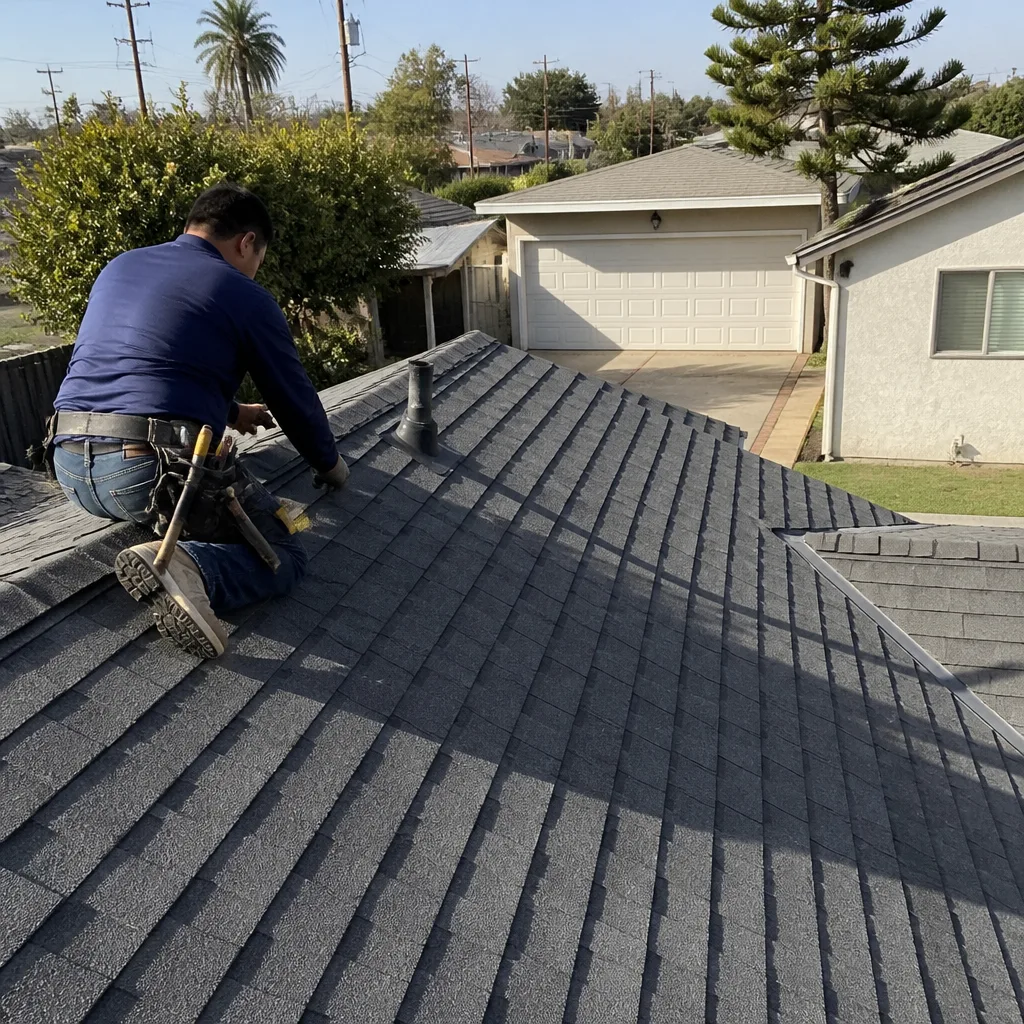 After
After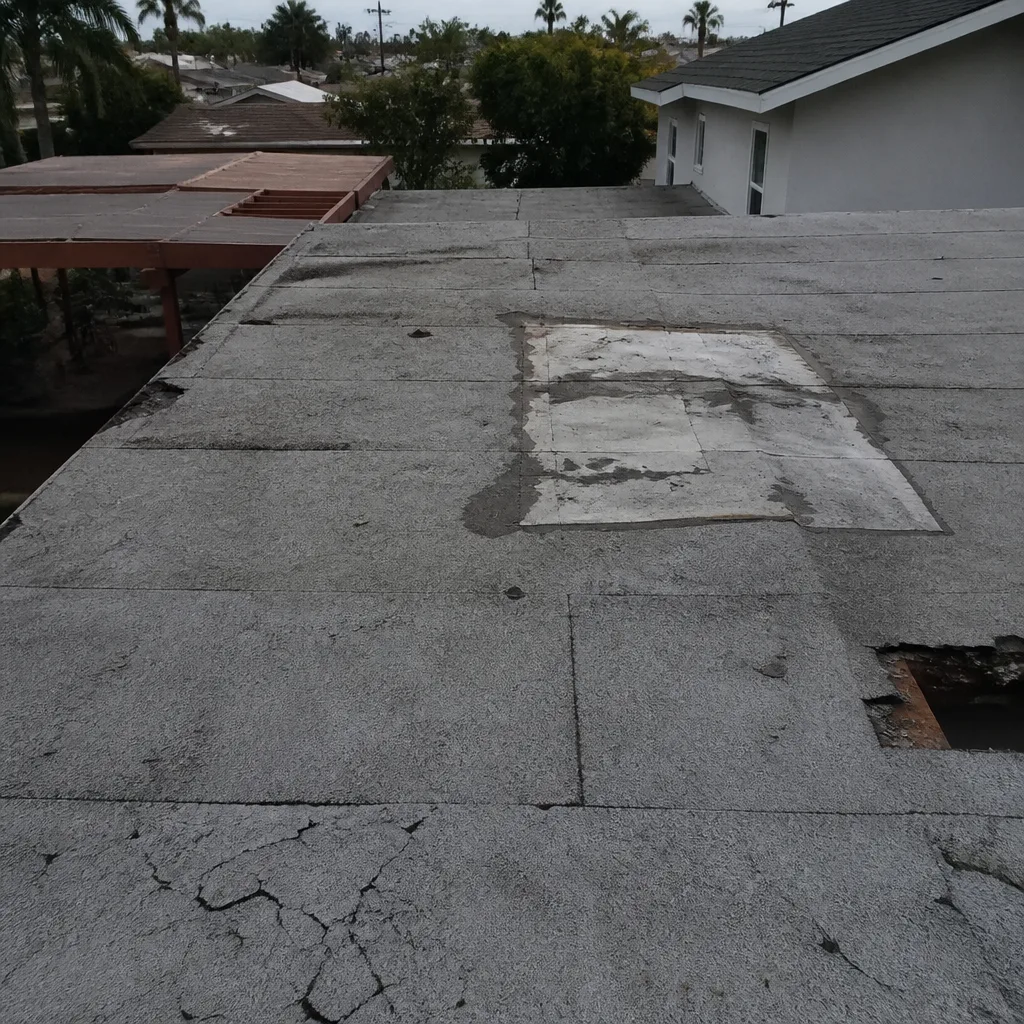 Before
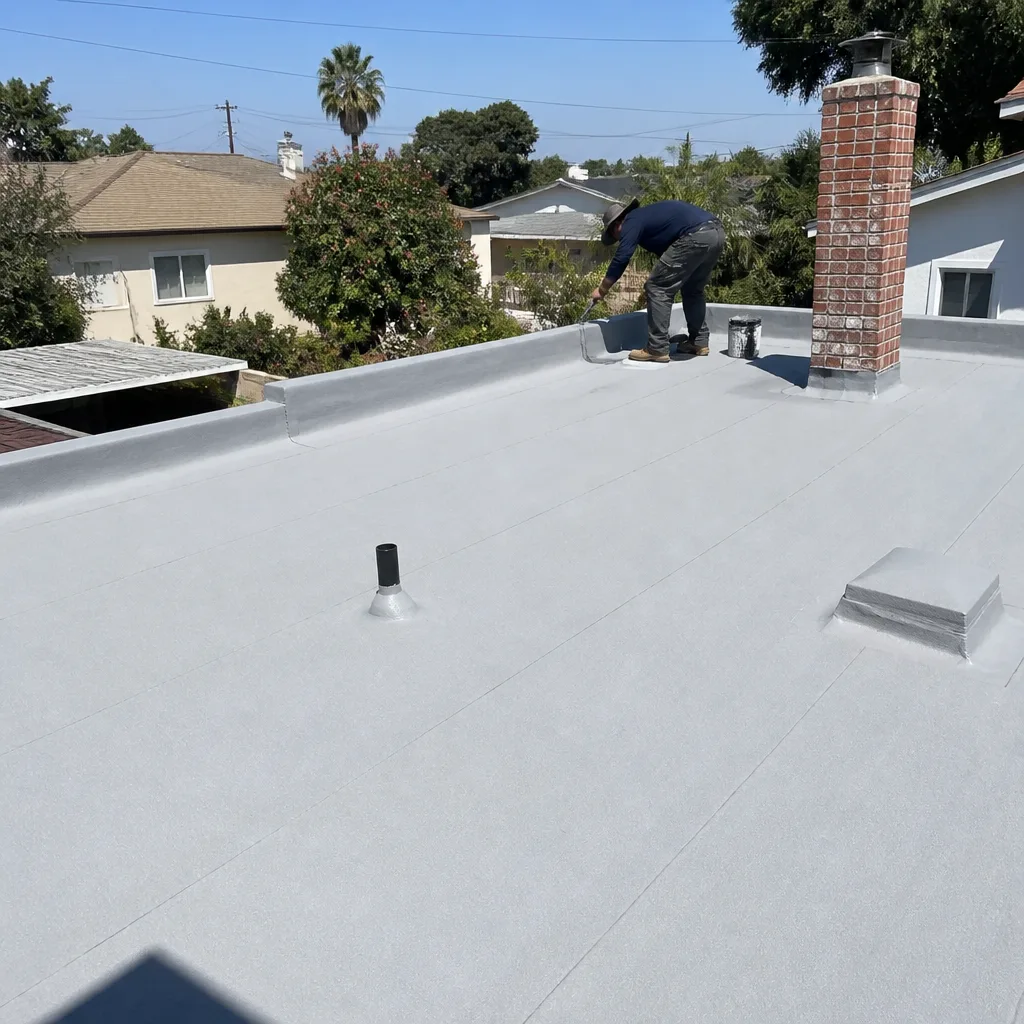 After
AfterReplacement Cost & What’s Included
Here’s what we quote for IKO flashing replacement across Long Beach, including the parts, labor, sealant, and cleanup:
| Flashing Type | Typical Installed Range | What Affects the Price |
|---|---|---|
| Pipe boot / vent flashing | $150 – $350 | Roof pitch, accessibility, number of penetrations |
| Step flashing (per wall section) | $400 – $800 | Length of wall, siding type, whether shingles need lifting or replacing |
| Chimney flashing (full replacement) | $600 – $1,200 | Chimney size, counter-flashing needs, masonry condition |
| Skylight flashing kit | $350 – $700 | Kit brand match, roof pitch, existing curb condition |
| Valley flashing replacement | $500 – $1,000 | Valley length, metal type, shingle integration |
You’ll see your exact number in writing before anyone climbs a ladder. Every quote we give in Long Beach includes the flashing material, structural sealant rated for coastal UV, fasteners, disposal of the old flashing, drop cloths and shoe covers inside the house, and a photo of the completed cleanup before the crew leaves. Workmanship is covered by our 365-Day Done Right Promise: if it’s not right, we make it right.
DIY or Call Us?
There are two things you can safely check yourself: whether flashing is visibly lifted, rusted, or missing from the ground, and whether you have water stains that align with roof penetrations. That’s it. Replacing flashing means working on the roof surface, often near edges and on pitches that are steeper than they look from the driveway. Falls happen fast and they don’t care how handy you are. Erik Lindgren has been walking Long Beach roofs long enough to know that the most expensive flashing job is the one where someone tried to save money first and the repair that followed cost three times more.
If you don’t know exactly what you’re looking at, call (562) 512-7366 and we’ll come take a look. A written price before anyone climbs a ladder, that’s where we start.
FAQs
In Long Beach, expect 15 to 25 years from well-installed flashing, depending on material and proximity to the coast. Aluminum flashing within a mile of the water typically lasts longer than steel because it resists salt corrosion better. Anything past 20 years is on borrowed time, and we recommend an inspection every few years once it passes that mark.
Small sealant failures can sometimes be re-caulked as a temporary fix, but once metal is rusted through, lifted, or separated at the laps, replacement is the correct fix. Patching flashing with tar or caulk rarely lasts more than one season in Long Beach’s UV and salt conditions. Call (562) 512-7366 and we’ll tell you honestly which one your roof actually needs.
Most flashing replacements in Long Beach take 2 to 6 hours, depending on scope and accessibility. A pipe boot is often under an hour, while a full chimney flashing with counter-flashing can take half a day. We protect the interior with shoe covers and drop cloths and send you a photo of the cleanup before we leave.
We stock common flashing profiles, pipe boots, and sealants on our trucks and can order IKO-specific or uncommon profiles from local Long Beach suppliers, usually within one to two business days. We also work with materials from GAF, Owens Corning, and CertainTeed, so if your flashing problem turns out to be part of a bigger shingle issue, we can address the whole system. Call us at (562) 512-7366 and we’ll come check your specific roof.
Written by Erik Lindgren, Owner, Birchbark Roofing Long Beach at Birchbark Roofing Long Beach, serving Long Beach and nearby areas.