
Last updated October 17, 2026
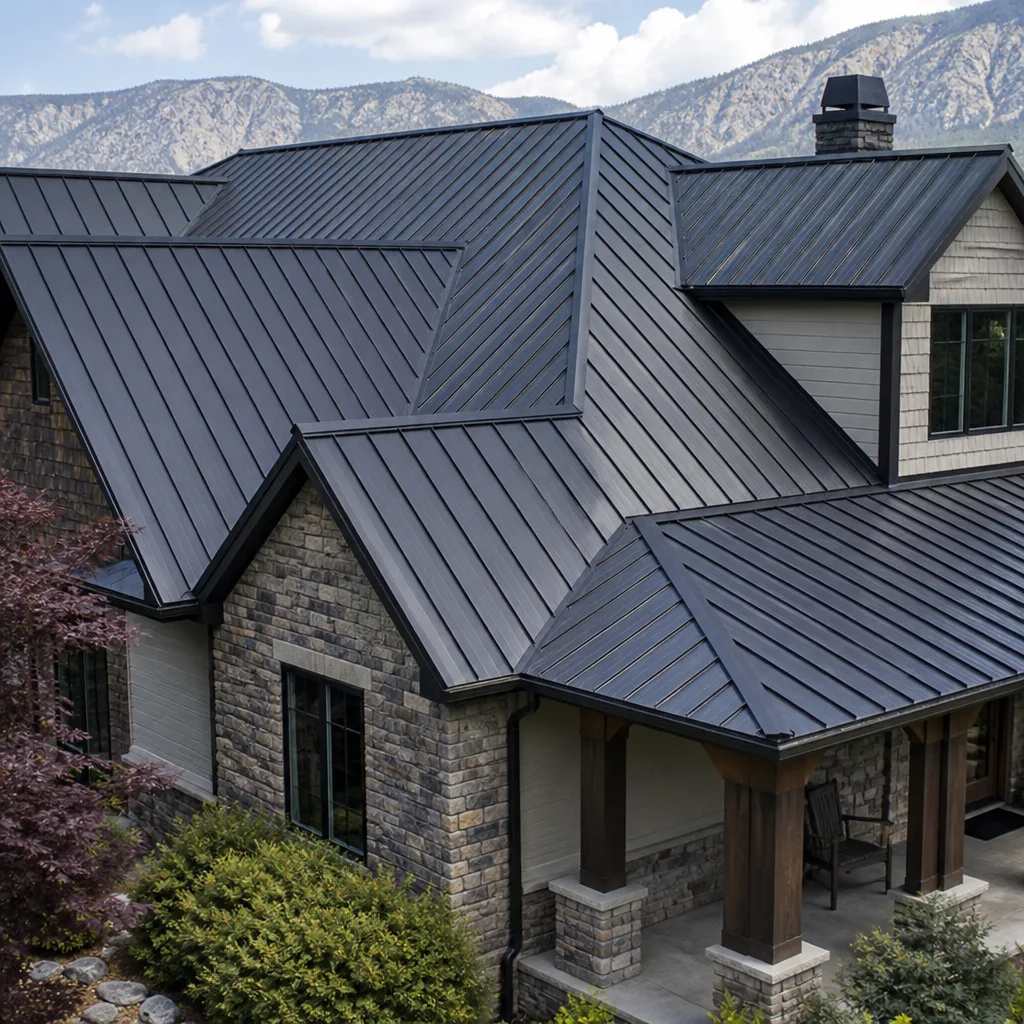 Metal roofing
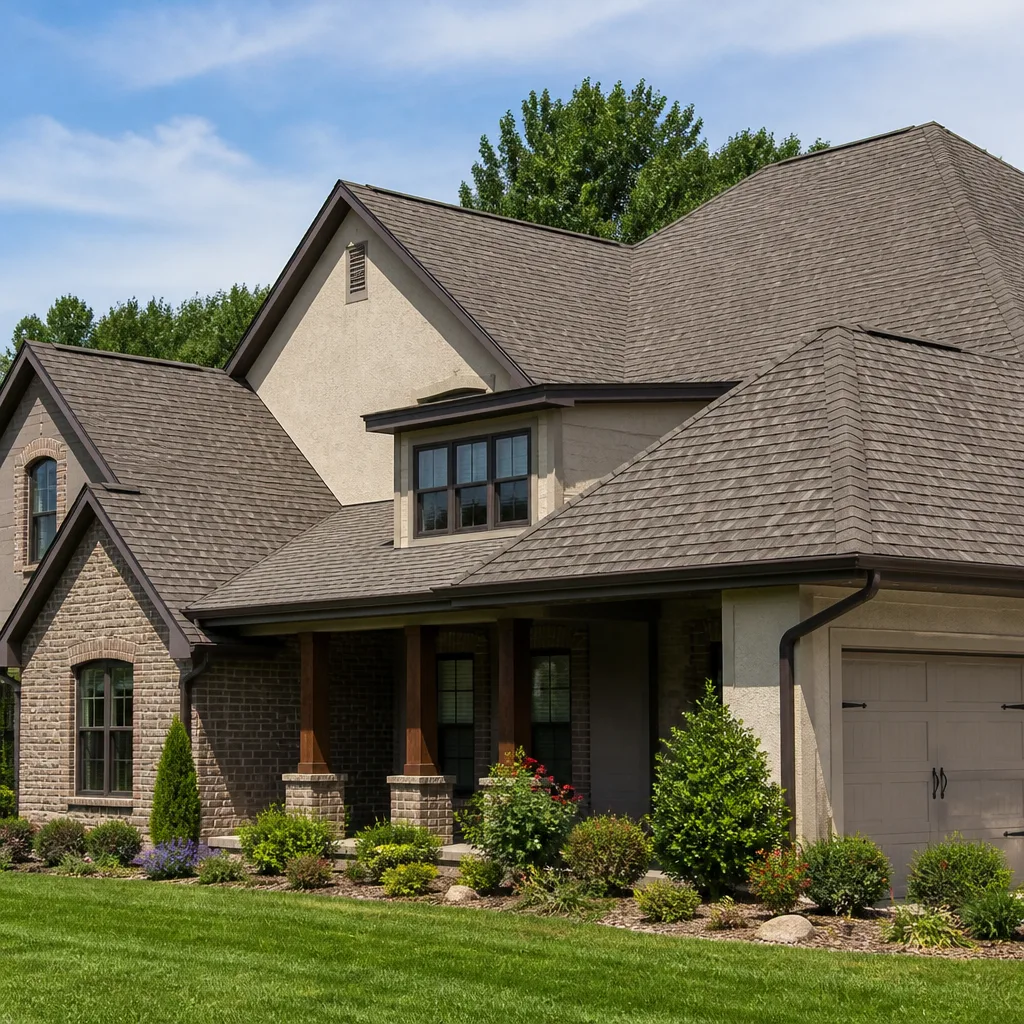 Architectural shingles
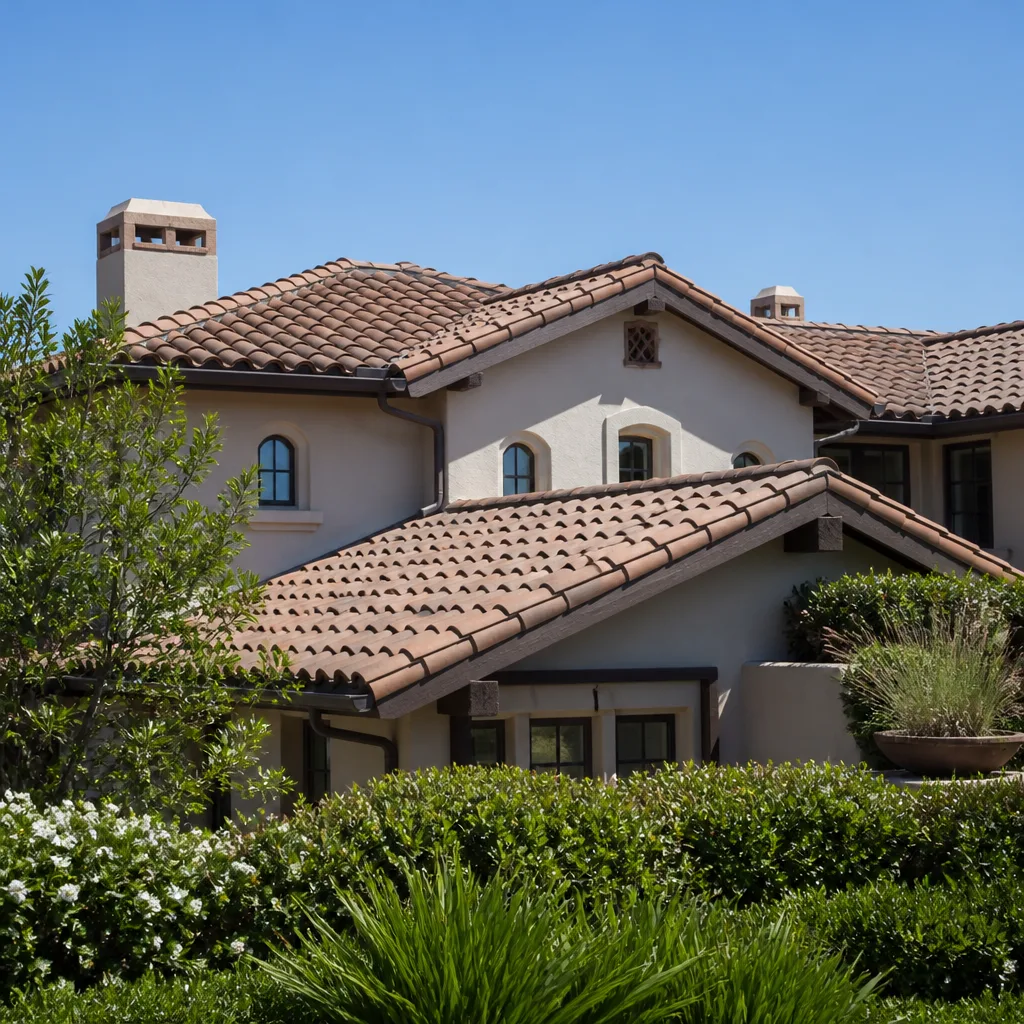 Tile roofing
 GAF
GAF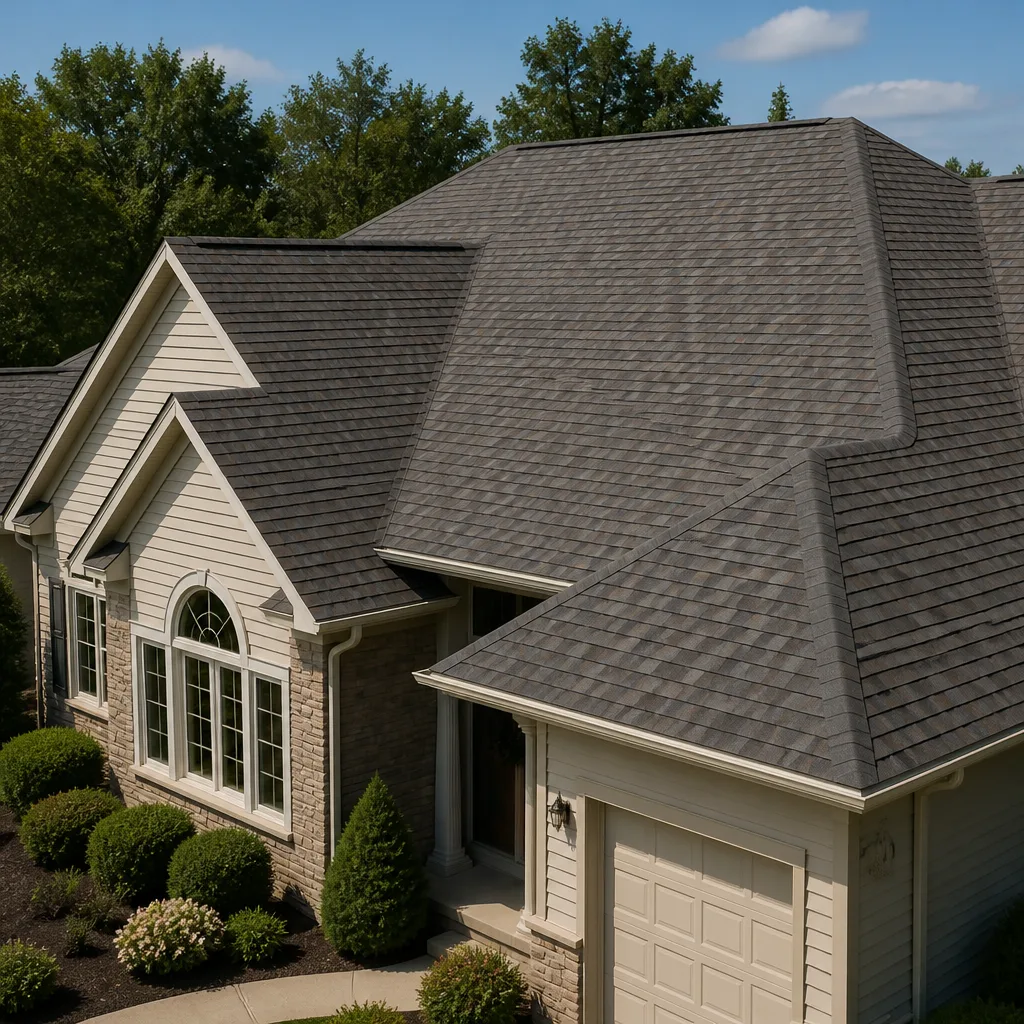 Owens Corning
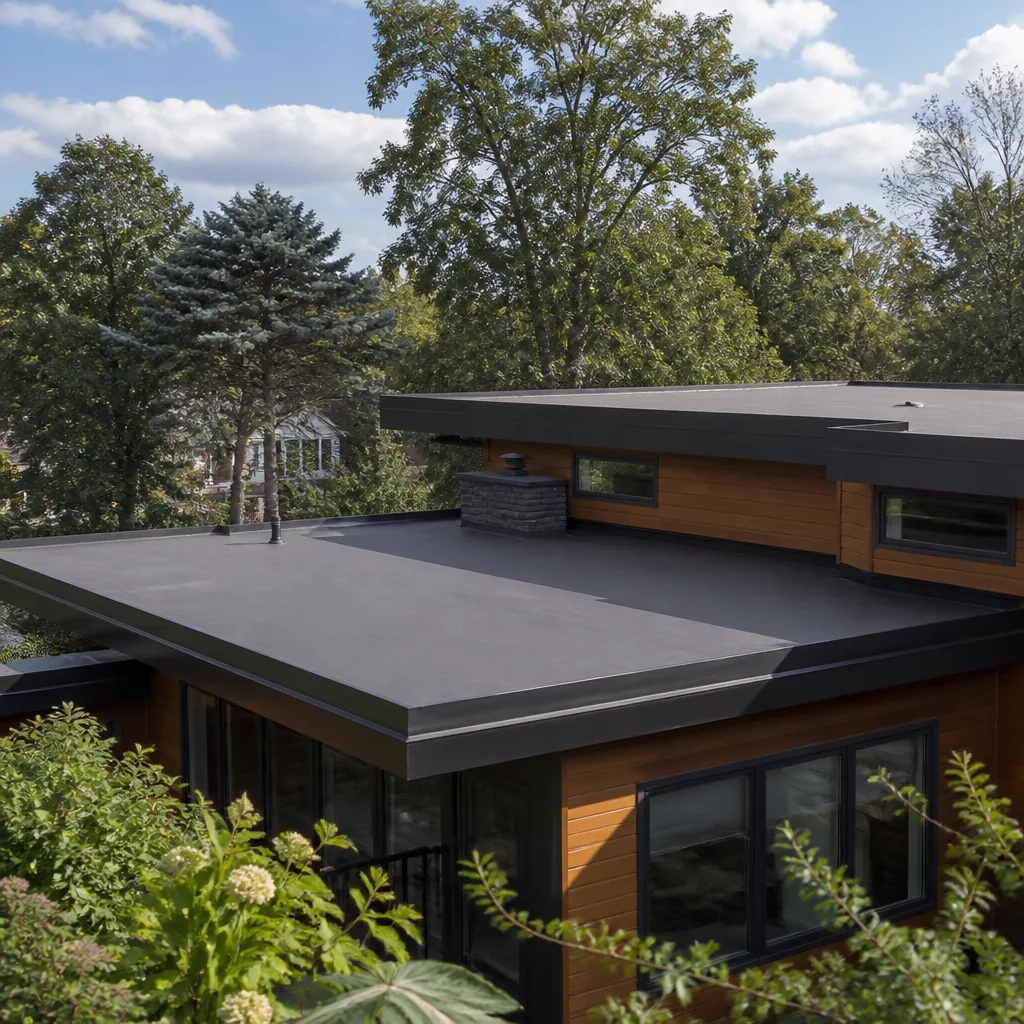 Flat & low-slope
Free roof inspection with deck photos before we talk money - GAF and Owens Corning certified installation
How to Hire a Roofing Contractor in Long Beach: A Step-by-Step Guide
In California, a roofing contractor can be fully licensed, fully insured, and still leave your attic open overnight, skip the permit, and hand you a bill higher than the quote, because nothing in the license requirement forces them to do otherwise. The paper trail you build before signing is the only thing that changes that. This guide walks through hiring a roofer in Long Beach as a series of written tests: if a contractor won’t put it in writing, that’s your answer. You’ll learn exactly what to verify, what to ask, and what separates a crew that protects your floors and your family from one that gets the work done and disappears.
Quick Answer
To hire a roofing contractor in Long Beach, verify their California roofing license on the CSLB website, request a written estimate that lists scope, material brands and weights, permit responsibility, a payment schedule, and a cleanup standard, then compare warranties line by line. Our Roofing Company Maintenance Checklist for Long Beach Homeowners covers what to track after the job is done. Ask how the crew will protect your home’s interior and your pets before anyone climbs the ladder. If a contractor won’t put a promise in writing, keep looking.
Styles & brands we work with
Table of Contents
- How to Verify a California Roofing License in Under Three Minutes
- The Five Things Every Written Estimate Must Include
- Questions to Ask About Pets, Kids, and Access to Your Yard
- Why the Lowest Bid in Long Beach Is Often the Riskiest
- How to Read a Roofing Warranty So It Actually Protects You
- The Hiring Process, Step by Step
- What to Expect After You Sign
- Common Mistakes to Avoid
- When to Call a Professional
- Frequently Asked Questions
How to Verify a California Roofing License in Under Three Minutes
The California Contractors State License Board (CSLB) maintains a public database of every licensed contractor in the state, and checking it takes less time than brewing a cup of coffee. Go to the CSLB website, click “Check a License,” and enter the contractor’s name or license number. You want to see three things: an active license status, a classification of C-39 (Roofing), and a business address that matches what the contractor told you.
The C-39 classification matters more than most homeowners in Long Beach realize. A general building contractor (B classification) can legally perform roofing work, but a C-39 holder has passed a roofing-specific exam covering materials, installation methods, and safety standards. We’ve seen homeowners hire a B-license holder who subcontracted the roof to the lowest bidder, then struggled to get warranty work honored because the original contractor was no longer involved. When you call a company like Birchbark Roofing Long Beach, you’re talking to a roofing-specific operation, not a generalist squeezing your roof between two kitchen remodels.
Three things to check while you’re on the CSLB site:
- License status: Active, not expired or suspended.
- Classification: C-39 for roofing.
- Workers’ compensation coverage: If the contractor has employees, this must say “Yes.” If it says “No” and they show up with a crew, you could be liable for injuries on your property.
The CSLB also lists any disciplinary actions or complaints against the license. A clean record isn’t everything, but a pattern of complaints is a written answer you shouldn’t ignore.
The Five Things Every Written Estimate Must Include
Most disputes between Long Beach homeowners and roofing contractors start with a vague estimate. The fix is simple: a written estimate with enough detail that two different contractors can be compared line by line. Here are the five items that must appear before you can fairly compare bids.
- Scope of work: Exactly what gets removed and what gets installed. “Re-roof” is not a scope. “Tear off one layer of existing asphalt shingles, inspect and replace damaged plywood at $X per sheet, install synthetic underlayment, install new architectural shingles, replace all flashing and pipe boots” is a scope.
- Materials by brand and weight: If the estimate says “30-year shingle,” ask which brand and which product line. A GAF Timberline and a CertainTeed Landmark are both 30-year architectural shingles, but they have different warranty terms and different performance characteristics. The estimate should name the manufacturer and the specific product. We work with materials from GAF, CertainTeed, Owens Corning, IKO, Atlas, Tamko, and Boral, and we’ll tell you which one we’re installing and why.
- Permit responsibility: The estimate must state whether the contractor pulls the permit or you do. In Long Beach, roofing permits are required for most replacements, and the responsible party matters for inspections and final sign-off.
- Payment schedule: Never pay more than 10% or $1,000, whichever is less, as a down payment for a residential roofing job in California. It’s the law. The schedule should tie remaining payments to milestones, not calendar dates.
- Cleanup standard: This is the item most estimates skip, and it’s the one our customers in Long Beach ask about most. Your estimate should state what happens to the old shingles, nails, and debris. We put it in writing: shoe covers at the door, drop cloths through the hallway, all debris cleared and photographed before we leave.
If two estimates don’t include the same five items, you’re not comparing prices. You’re comparing a detailed plan to a wish.
Questions to Ask About Pets, Kids, and Access to Your Yard
A roof replacement in Long Beach means a crew of people walking around your property for several days. You have the right to know exactly how they’ll handle the parts of your home that aren’t the roof. These questions apply whether you’re getting roof repair in Long Beach or a full roof replacement in Long Beach.
- “Do your technicians wear shoe covers inside the house?” If the answer is anything but an immediate yes, that’s a concern. A crew that won’t protect your floors inside won’t protect your landscaping outside.
- “Do you use drop cloths through the entryway and hallways?” Roofing means repeated trips inside for water, restrooms, or tool access. The path should be covered.
- “How do you handle pets during the work?” A good answer includes specifics: coordinating door schedules so the dog stays inside when needed, using pet-safe products where there’s a choice, and checking the yard for dropped nails before the crew leaves.
- “What do you do with my yard and landscaping?” Tear-off debris lands where gravity takes it. A careful crew lays tarps, moves patio furniture, and protects plants near the drip line. An answer that dismisses this question is a red flag.
- “What are your quiet hours?” If you have a napping toddler or a home office, you need to know when the hammering starts and stops. A contractor who can’t tell you their crew’s typical hours hasn’t thought about your home as a home.
We built the Cedarwell Care Promise around these exact concerns: Clean up like it’s our own home; Ask before we move or touch anything; Respect the family’s time and quiet hours; Explain the price before the work. It’s not a marketing slogan. It’s a written set of protections our customers in Long Beach see on paper before signing.
Why the Lowest Bid in Long Beach Is Often the Riskiest
Long Beach has a competitive roofing market, and that competition drives some contractors to cut corners on the only line items a homeowner can’t see: permits, insurance, and workers’ compensation. If you’re unsure how bids should break down, our Roofing Cost Breakdown: The Long Beach Homeowner’s Reference for 2026 explains where every dollar should go. When one bid comes in $4,000 below the others, the difference usually isn’t material quality or efficiency. It’s a missing permit fee, an uninsured crew, or a plan to skip the tear-off and install over failing decking.
Permits in Long Beach cost money and take time. Roofing permits require a site inspection, and inspections require the work to be done to code. For a deeper look at the requirements, see our guide to Roofing Permits, Codes & Inspections in CA: What You Need to Know. A contractor who skips the permit saves several hundred dollars and a day of schedule, then passes a fraction of those savings to you. The problem lands on your doorstep later. If you sell your home, an unpermitted roof can stall the sale or force a price reduction. If you file an insurance claim for a leak and the adjuster finds the roof was replaced without a permit, your claim can be denied. The savings evaporate.
A written estimate that includes permit responsibility protects you from this. So does a simple question: “Will you pull the permit, and will you be present for the final inspection?” The answer should be yes to both, without hedging.
Insurance matters too. Uninsured crews are cheaper to run, which means cheaper bids. But if a worker falls off your roof and the contractor doesn’t carry workers’ compensation, your homeowner’s insurance becomes the target. In California, you can verify workers’ comp coverage through the CSLB license check we covered earlier. It takes thirty seconds and it’s the difference between hiring a real company and hiring a liability.
How to Read a Roofing Warranty So It Actually Protects You
Roofing warranties come in two layers, and most homeowners in Long Beach only understand one. The first is the material warranty from the manufacturer. The second is the workmanship warranty from the contractor. Both matter, and they cover different failures.
A material warranty from a manufacturer like GAF or Owens Corning covers defects in the shingles themselves: cracking, curling, or a manufacturing flaw that causes premature failure. These warranties range from a basic 10-year product warranty to prorated lifetime coverage on premium lines. Read the fine print. A “lifetime” material warranty often prorates after a set number of years, meaning the manufacturer reimburses you less and less as the roof ages. The warranty also typically requires registration within a certain window after installation, and it may require that the contractor be certified by the manufacturer. If your contractor isn’t certified to install that brand, the warranty may be void from day one.
The workmanship warranty is the contractor’s promise that the installation itself was done correctly. This is where it gets interesting. A national average for workmanship warranties is about 5 years. Some companies offer 10. We offer something different: a 365-Day Done Right Promise from Birchbark Roofing Long Beach. If the work isn’t right, we make it right. It’s stamped on every job, in writing, not buried in a contract addendum.
When comparing warranties, ask three questions: Does the material warranty require contractor certification? Does the workmanship warranty cover labor or materials only? And what happens if the company is sold or closes? A warranty from a company that’s been part of the Cedarwell family of roofing businesses since 2000 gives you a stronger position than one from a two-year-old operation with a mailing address at a UPS store.
The Hiring Process, Step by Step
If you’re starting from scratch, here’s the entire process in order. This works whether you’re in Belmont Shore dealing with ocean air corrosion or in Bixby Knolls with a 1940s roof that’s seen better decades.
- Gather three to four referrals or search results. Ask neighbors, check local Long Beach community groups, and search for roofing contractors with a physical local presence. A company with a Long Beach phone number and a Long Beach address is easier to reach if something goes wrong.
- Check each license on the CSLB website. Active status, C-39 classification, workers’ comp coverage. Takes three minutes per contractor.
- Request a written estimate from each. Specify that you want line-item detail. If a contractor refuses to put a price in writing before the work starts, that’s the end of that conversation.
- Compare estimates using the five-item framework. Scope, materials by brand and weight, permit responsibility, payment schedule, cleanup standard. If any of the five is missing, ask for it in writing before comparing.
- Ask the pet, kid, and yard questions. You’ll learn quickly which contractors think about your home and which ones only think about your roof.
- Read both warranties. Material manufacturer and contractor workmanship. Ask what happens on day 366 if a leak appears.
- Sign, get your copy, and confirm the start date. A professional contractor hands you a signed copy of everything. If the contract says your house will be protected, keep it.
We’ve walked through this process with hundreds of Long Beach homeowners, led by Erik Lindgren, and the pattern holds: the contractors who pass these tests are the ones who run honest businesses. The ones who fail usually have the flashiest ads.
What to Expect After You Sign
The contract is signed and the crew arrives. Here’s what a careful roofing job looks like in Long Beach, so you know what’s normal and what isn’t.
Before tear-off begins, the crew should walk the perimeter with you or at least inform you what’s being protected. Tarps go down around the drip line. Patio furniture moves to a safe distance. Your front door path gets covered. On the first day, expect heavy noise from tear-off. Shingles come off in sections, nails get swept or magnet-swept, and the old material goes into a truck or dumpster, not your flower beds.
During the job, the crew should respect your access needs. If the dog needs to stay inside, the door schedule matters. If your kids are home, the crew should know to keep tools and fasteners out of walkways. A written price means you already know the number. No surprises, no change orders unless you requested a change yourself.
At the end of the job, ask for the cleanup photo. We photograph the completed clean-up before our crew leaves, and you get a copy. It’s not a luxury. It’s the written proof that the job ended the way it should. The same principle applies to the permit final inspection: your contractor should be there, the inspector signs off, and you get the closed permit for your records.
Common Mistakes to Avoid
- Hiring based on the lowest bid without comparing scope. Two Long Beach roofers can quote $11,000 and $15,000 for the “same” roof and both be honest, because one is tearing off two layers, replacing all flashing, and pulling permits, while the other is nailing new shingles over old ones.
- Paying more than 10% down. California caps residential roofing deposits at $1,000 or 10%, whichever is less. Any contractor who asks for more is violating state law, and that alone should disqualify them.
- Skipping the workers’ comp check. You can verify this on the CSLB website in thirty seconds. If the contractor has no workers’ comp and a crew, you’re the insurance policy.
- Trusting a verbal warranty. “We stand behind our work” means nothing in a dispute. Get it in writing, with a term length and a process for making claims.
- Ignoring the cleanup clause. The most common complaint we hear from Long Beach homeowners who hired someone else: “The roof looks fine, but they left nails all over my yard and my dog stepped on one.” Your estimate should state the cleanup standard in writing.
- Choosing a contractor with no local presence. A roofer who markets in Long Beach but is based two counties away will be harder to reach for warranty work and less likely to know the local permit office’s requirements.
- Not asking about certification for the shingle brand. If you’re paying for a premium GAF or CertainTeed roof with an enhanced warranty, the contractor must be certified by that manufacturer. Uncertified installation voids the enhanced warranty, and you might not learn that until you file a claim.
When to Call a Professional
Some roofing issues are obvious: a leak staining your ceiling, shingles in your front yard after a Santa Ana wind event, granules clogging your gutters. Others are quieter: a roof that’s 20 years old and hasn’t been inspected since you moved in, or a home you’re buying where the sellers can’t produce a roofing history. In all these cases, a professional inspection is the right first step. A roofer who climbs the ladder and shows you photos of what’s happening up there is doing their job. Birchbark Roofing Long Beach offers free estimates in Long Beach. Call (562) 512-7366 and a live person will answer, walk you through what to expect, and schedule a time to look at your roof.
Frequently Asked Questions
A full asphalt shingle roof replacement in Long Beach typically runs between $11,000 and $22,000 depending on roof size, pitch, number of layers being removed, and material choice. Steeper roofs cost more because they’re slower and more dangerous to work on. Premium materials like CertainTeed or GAF architectural lines add to the price. Your exact number should appear in a written estimate before any work starts, and if a contractor won’t give you that written price, you have your answer. Call (562) 512-7366 for a free estimate and an exact figure for your roof.
Yes, most roof replacements in Long Beach require a building permit, and the contractor should pull it. A permitted job includes an inspection that verifies the work meets current code. Skipping the permit saves money short-term but creates problems for insurance claims and home resale. Your written estimate should state who pulls the permit and who attends the final inspection.
Most single-family roof replacements in Long Beach take two to four days from tear-off to final cleanup, depending on roof size, pitch, weather, and whether the decking needs repairs. A repair job is usually done in a day or less. Your contractor should give you a start date and a schedule in writing after the contract is signed.
Move cars out of the driveway, clear the area around the house of toys and garden tools, and talk to your contractor about pets and door access. A good crew will handle the rest: tarps, drop cloths, shoe covers, and a cleanup process. If you have a dog who stays inside during the day, coordinate the door schedule so the crew can work without letting the dog out.
Yes, most homeowners stay home during a roof replacement. The work is noisy and there will be hammering during daylight hours, but the house remains livable. Dust from the attic may settle through ceiling gaps in older Long Beach homes, so covering belongings in the attic or top floor is a reasonable precaution.
If the work isn’t right, we make it right. That’s the entire promise, and it’s stamped on every job we do at Birchbark Roofing Long Beach. If a leak develops or an installation issue shows up within 365 days of the job’s completion, we’ll come back and fix it at no charge. Call (562) 512-7366 and you’ll reach a live person who can start the process.
The answer depends on the roof’s age, the extent of damage, and the condition of the decking underneath. A roof under 15 years old with localized damage is usually a repair candidate. A roof over 20 years old with curling shingles, multiple leaks, or visible sagging often needs replacement. A professional inspection with photos will give you a written answer. Estimates and inspections are free, so call (562) 512-7366 to schedule one.
The Bottom Line
Hiring a roofing contractor in Long Beach comes down to written commitments. Verify the license and workers’ comp on the CSLB website. Demand a written estimate with scope, materials by brand and weight, permit responsibility, payment schedule, and cleanup standard. Ask how the crew will treat your floors, your pets, and your yard, and expect specific answers, not shrugs. Read both the material warranty and the workmanship warranty, and ask what happens when something goes wrong. The contractors who pass these written tests are the ones who’ll do the job right. Birchbark Roofing Long Beach has been part of the Cedarwell family of roofing businesses since 2000, and every job carries the 365-Day Done Right Promise and the Cedarwell Care Promise, in writing, before anything climbs your ladder. Call (562) 512-7366 for a free estimate.
Written by Erik Lindgren, Owner at Birchbark Roofing Long Beach, serving Long Beach since 2000.
See the difference
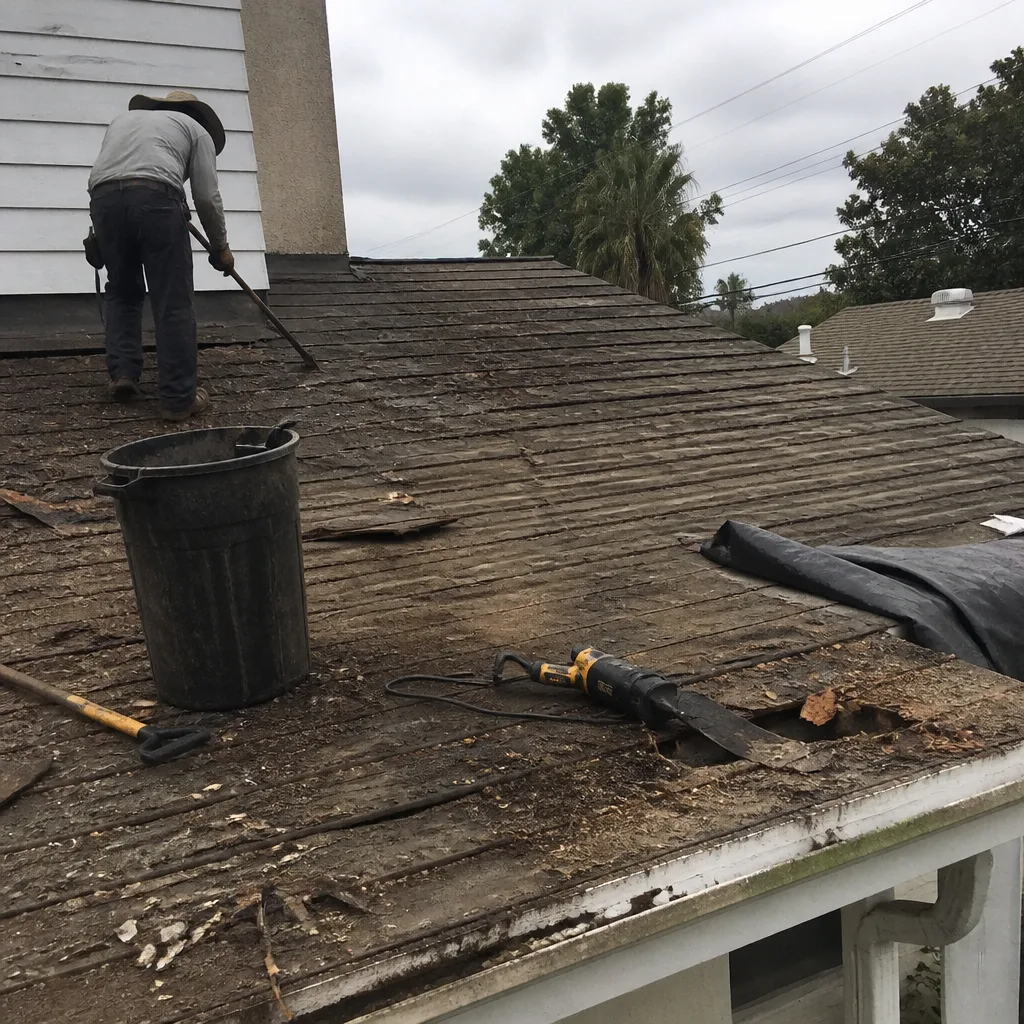 Before
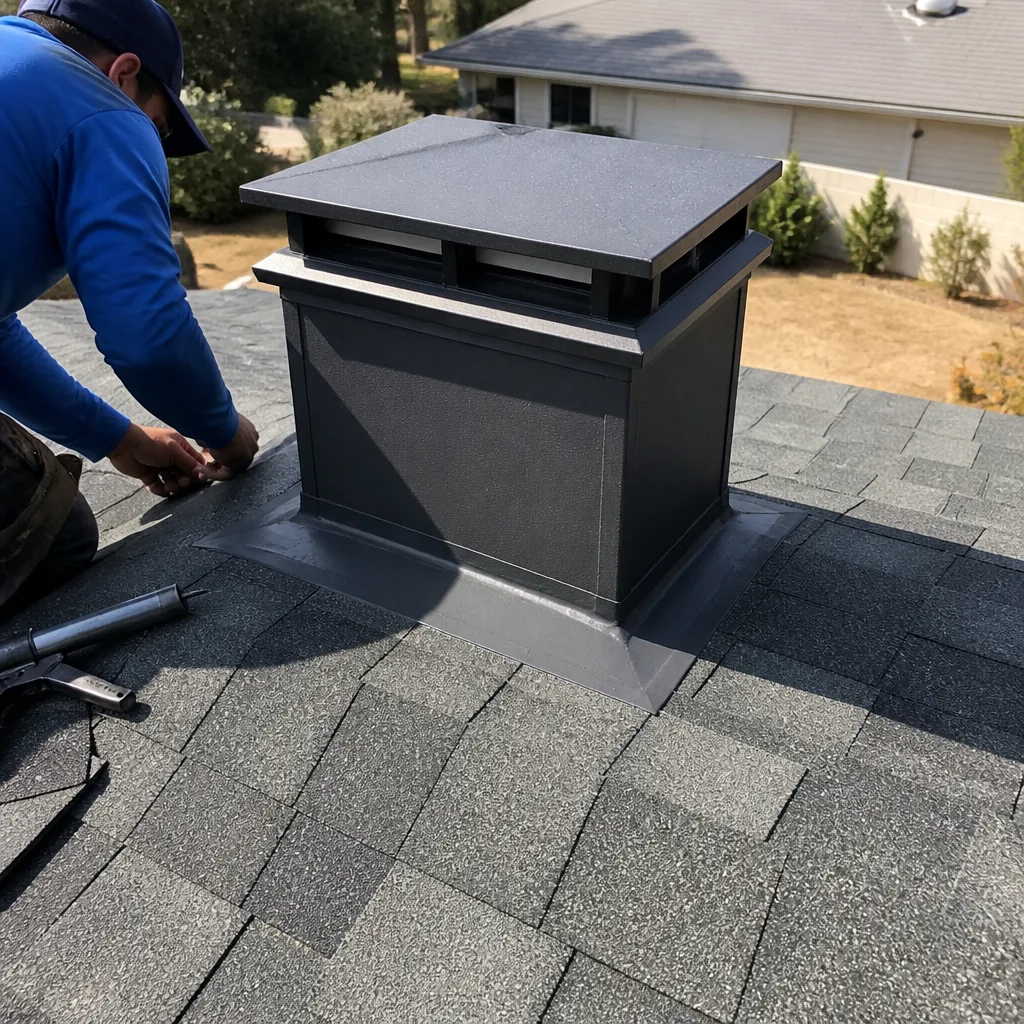 After
After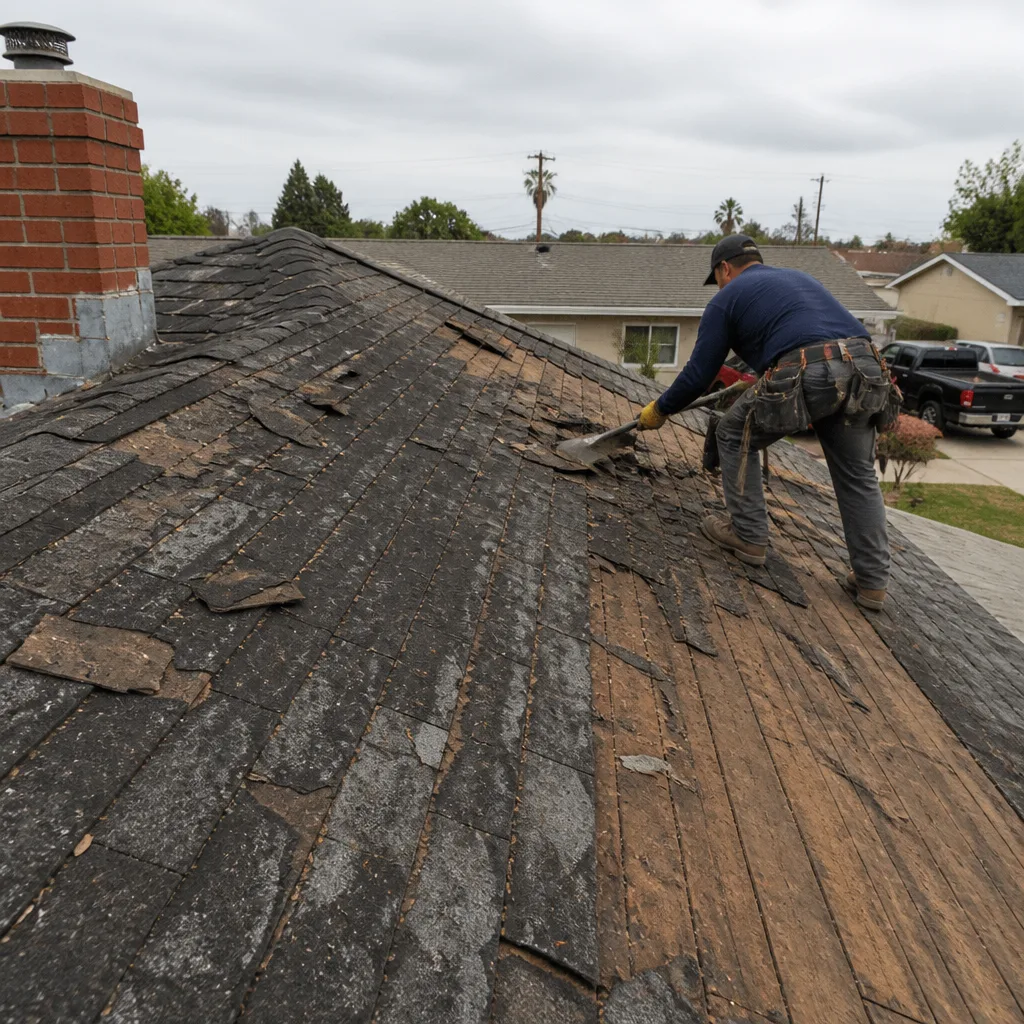 Before
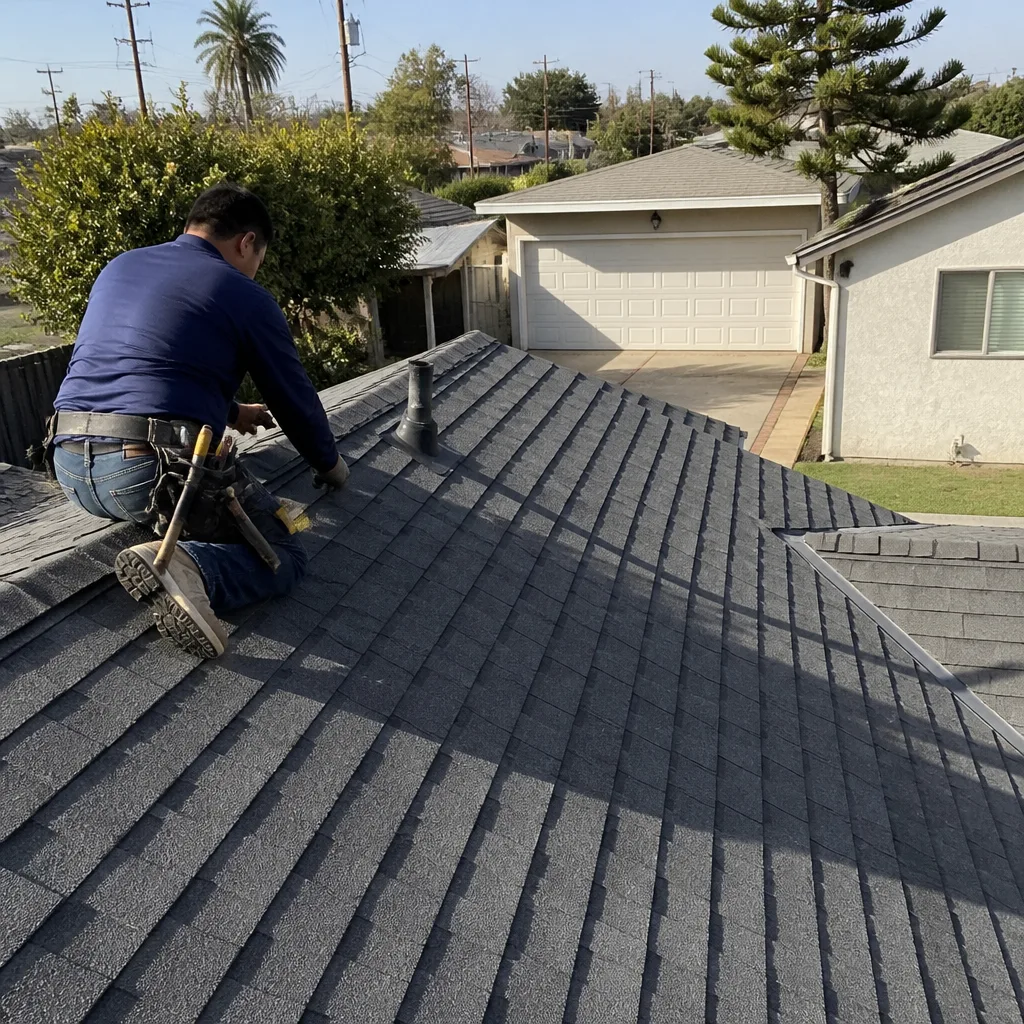 After
After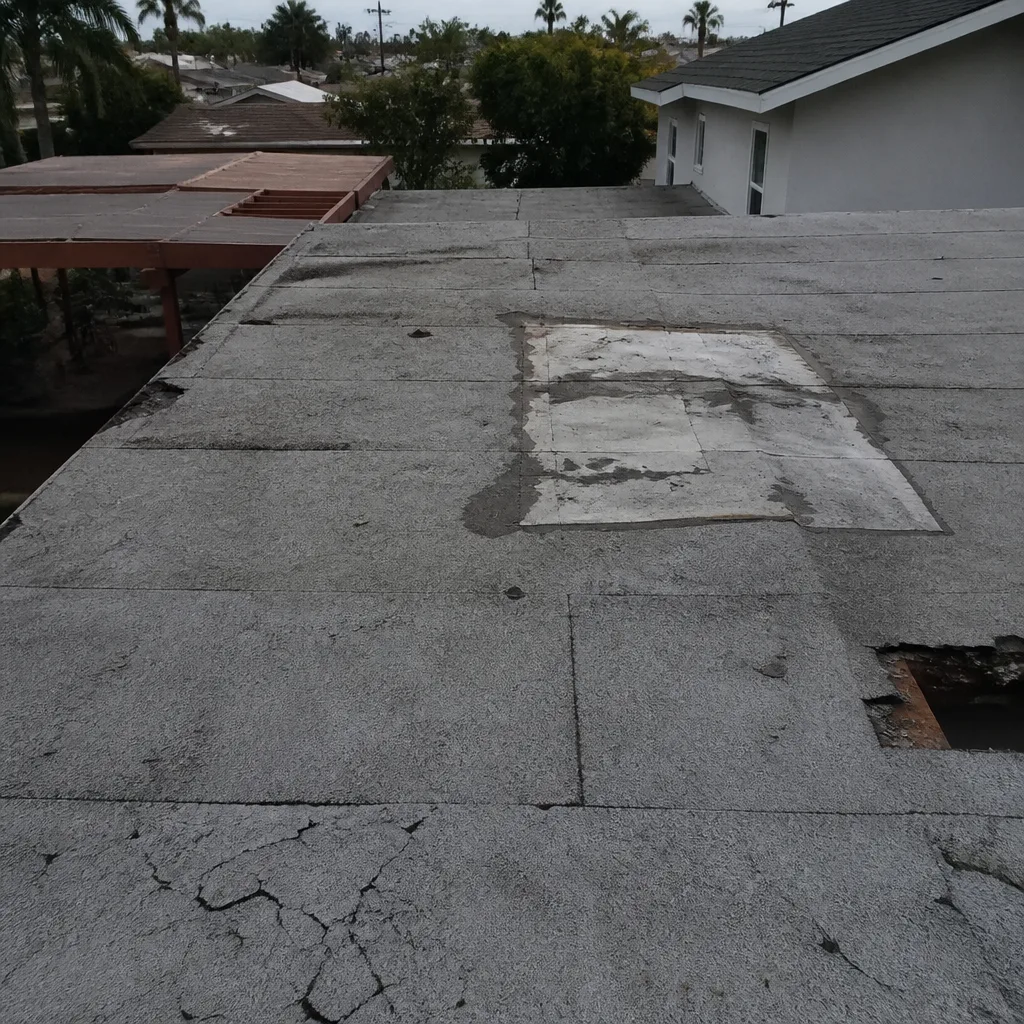 Before
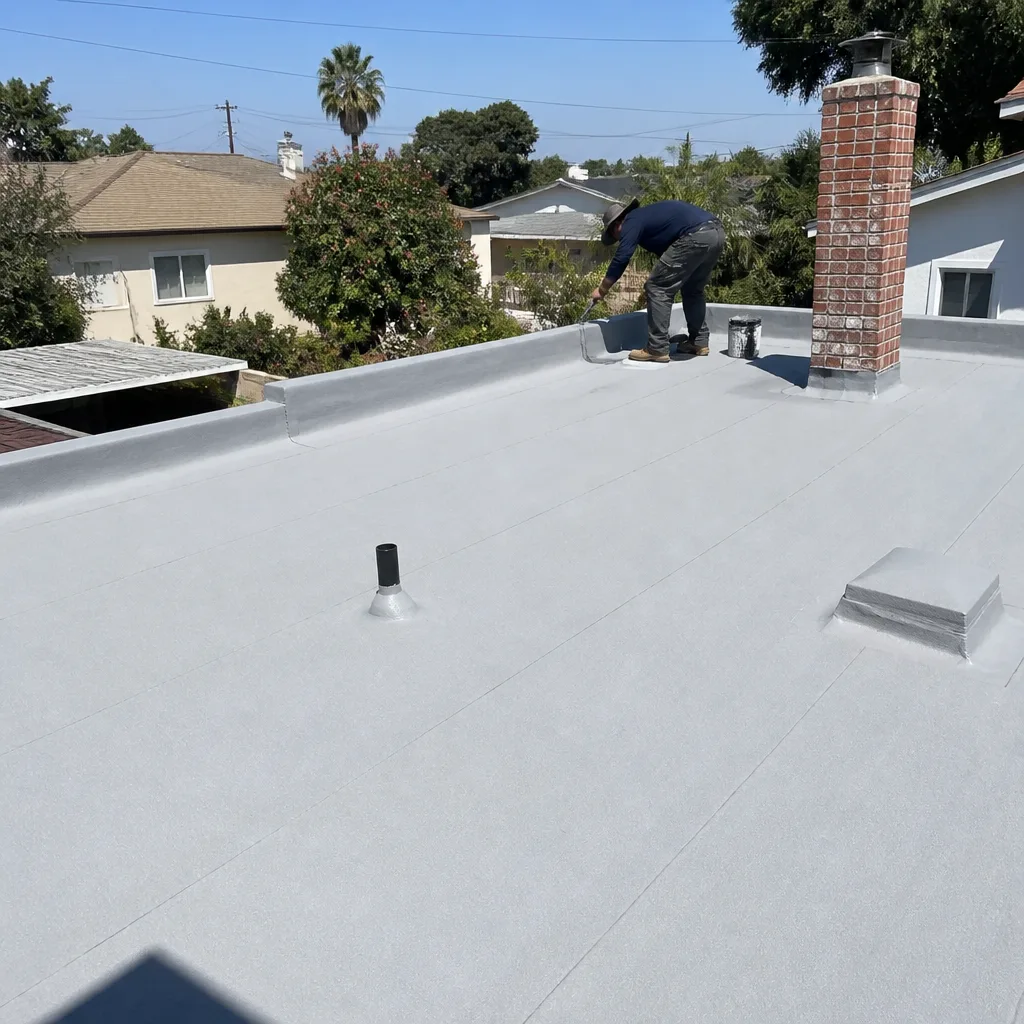 After
After